President Donald Trump conceded Sunday that gas prices could rise even higher before the November midterm elections, telling Fox News that the short-term economic pain from the war with Iran is the unavoidable cost of keeping Tehran from obtaining a nuclear weapon.
In an interview on Sunday Morning Futures with Maria Bartiromo, Trump acknowledged that fuel costs have already jumped sharply since the conflict began on Feb. 28. But he framed the spike as temporary and argued the alternative, a nuclear-armed Iran, would be far worse for markets and for American security.
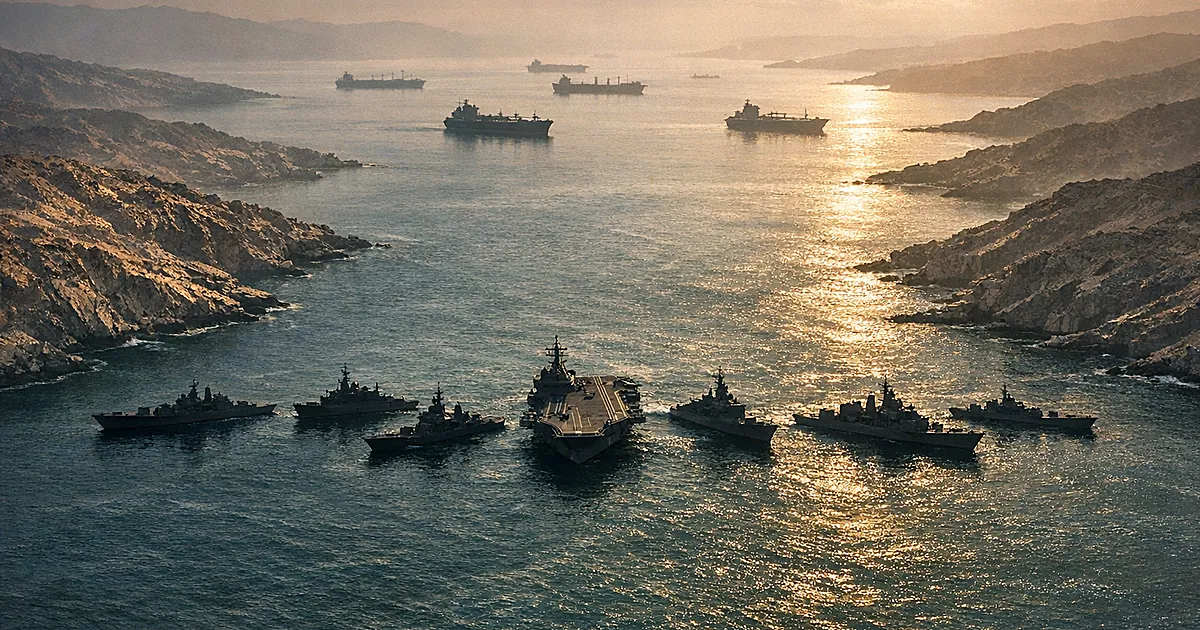
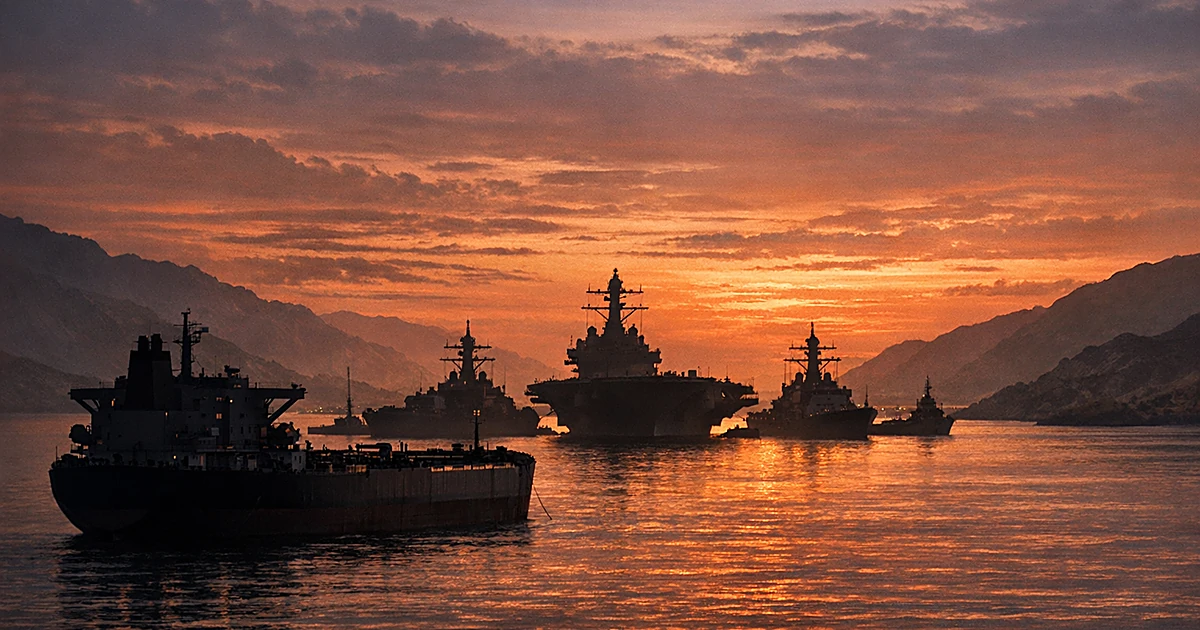
The comments came the same morning Trump announced on Truth Social that the U.S. Navy would begin blockading the Strait of Hormuz, one of the most consequential chokepoints in global energy. The strait carries roughly 20 million barrels of oil per day and about one-fifth of the world's liquefied natural gas, Fox News reported. Shutting it down, or even restricting traffic through it, sends a direct signal to every energy market on the planet.
AAA said gas prices averaged $4.15 a gallon nationwide on Friday, up from $2.98 before the Iran war started on Feb. 28. That is an increase of $1.17 per gallon in roughly six weeks, a hit that lands hardest on working families, truckers, and small businesses that run on tight margins.
Trump did not promise immediate relief. Asked whether prices would come down before the midterms, he said they could stay "the same, or maybe a little bit higher." But he predicted a sharp decline once the conflict ends, as the Washington Examiner reported:
"Eventually, it's going to be lower. No, it might not happen initially, but it's going to, it's going to go down when this is all over."
He added a prediction about the war's duration that will be tested soon enough.
"I think this won't be that much longer. They're wiped out."
Those are bold words. Whether they match the operational reality in the Persian Gulf is something voters, and markets, will judge for themselves.
Trump's Truth Social post left no ambiguity about the scope of the action. He wrote that the U.S. Navy would "begin the process of BLOCKADING any and all Ships trying to enter, or leave, the Strait of Hormuz." He also said he had instructed the Navy to "seek and interdict every vessel in international waters that has paid a toll to Iran."
That second directive targets a specific Iranian practice. Iran has allegedly attempted to charge ships a $1-per-barrel toll to pass safely through the strait, backed by threats, drones, missiles, and mines, the New York Post reported. Trump called it "WORLD EXTORTION" and declared that "Leaders of Countries, especially the United States of America, will never be extorted."
US Central Command said it would halt maritime traffic entering and exiting Iranian ports while allowing passage to and from non-Iranian ports through the strait. The administration also said the Navy would begin destroying mines in the waterway, a direct challenge to Iran's ability to threaten commercial shipping.
The move followed the collapse of ceasefire talks held in Pakistan. The Washington Times reported that Vice President J.D. Vance said the negotiations broke down over "Iran's refusal to abandon its path to a nuclear weapon." A two-week ceasefire that Tehran and Washington had reached on Tuesday apparently did not resolve the core dispute.
Trump had previously suspended the bombing campaign and offered a ceasefire tied to reopening the strait. Iran's failure to follow through set the stage for the escalation announced Sunday.
The president made no effort to minimize the economic fallout. He acknowledged the stock market has dropped and gas prices have risen. He said the conflict has "caused anxiety, dislocation, and pain to many people and Countries throughout the World."
But he argued the stakes justify the cost. His framing was blunt:
"I gotta stop this country from having a nuclear weapon. You want to see a stock market go down? Let a couple of nuclear bombs be dropped on us, or, frankly, anyplace else, and then you'll see a stock market that goes down."
That is the core of the argument, and it is not an easy one to dismiss. For decades, administrations of both parties talked about preventing a nuclear Iran. Few did much about it. The Obama-era Iran deal paused enrichment in exchange for sanctions relief and pallets of cash, then expired with Iran closer to a weapon than ever. The Biden administration spent four years pursuing diplomacy that produced nothing.
Trump has long accused Iran's regime of deceiving American presidents for decades. Whether the current military and economic pressure campaign succeeds where talk failed is the defining question of this conflict.
Trump also tried to put the market reaction in perspective, noting that the damage so far has been less severe than some feared.
"So the stock market has not gone down very much at all, gone down a little bit, much less than I thought. And frankly, the gas hasn't gone up as much as I thought."
He told Bartiromo he speaks with "major oil chiefs" every day, a sign the administration is working to keep supply lines open and prices from spiraling further.
The pain is not limited to American consumers. Other countries, particularly in Asia, have been hit far worse because they are less energy independent than the United States. The Strait of Hormuz carries roughly 20 percent of the world's petroleum, making any disruption a global event.
That global dimension cuts both ways. On one hand, it means the blockade puts pressure not just on Iran but on every nation that depends on Gulf oil, creating diplomatic leverage. On the other, it means American consumers are absorbing collateral damage from a strategy aimed at a regime thousands of miles away.
The political fallout at home is already building. Democrats have seized on the rising costs and the broader conflict to challenge Trump's judgment. Nancy Pelosi went so far as to demand Trump's Cabinet invoke the 25th Amendment over his Iran remarks, a move that says more about the left's appetite for constitutional overreach than about the president's fitness.
Even some voices on the right have raised concerns. Trump recently rebuked Tucker Carlson over nuclear-war claims tied to the Iran conflict, a sign that the debate within the conservative coalition is real and vigorous.
Trump pressured Iran directly on Sunday, posting on Truth Social that Tehran "promised to open the Strait of Hormuz, and they knowingly failed to do so." He added: "As they promised, they better begin the process of getting this INTERNATIONAL WATERWAY OPEN AND FAST! Every Law in the book is being violated by them."
The blockade is designed to force a choice: negotiate seriously or watch your oil revenue choke. Whether Iran bends or escalates will determine how long American drivers keep paying north of four dollars a gallon.
Several questions remain unanswered. How long will the blockade last? What are the specific rules of engagement if Iran challenges U.S. naval assets? And can the administration keep gas prices from climbing past a political tipping point before November?
Trump told Bartiromo the war "won't be that much longer." Voters will hold him to that. Every week the Strait stays closed, the price at the pump becomes a referendum on whether the strategy is working, or whether Washington asked ordinary Americans to carry a burden that the people in charge underestimated.
Stopping a nuclear Iran is a serious goal. But serious goals require serious execution, and the bill lands at the gas station, not the Oval Office.