Former President Barack Obama posted a statement on X on Sunday calling on Americans to "reject the idea that violence has any place in our democracy" after a gunman allegedly tried to assassinate President Donald Trump and members of his cabinet at the White House Correspondents' Association Dinner the night before.
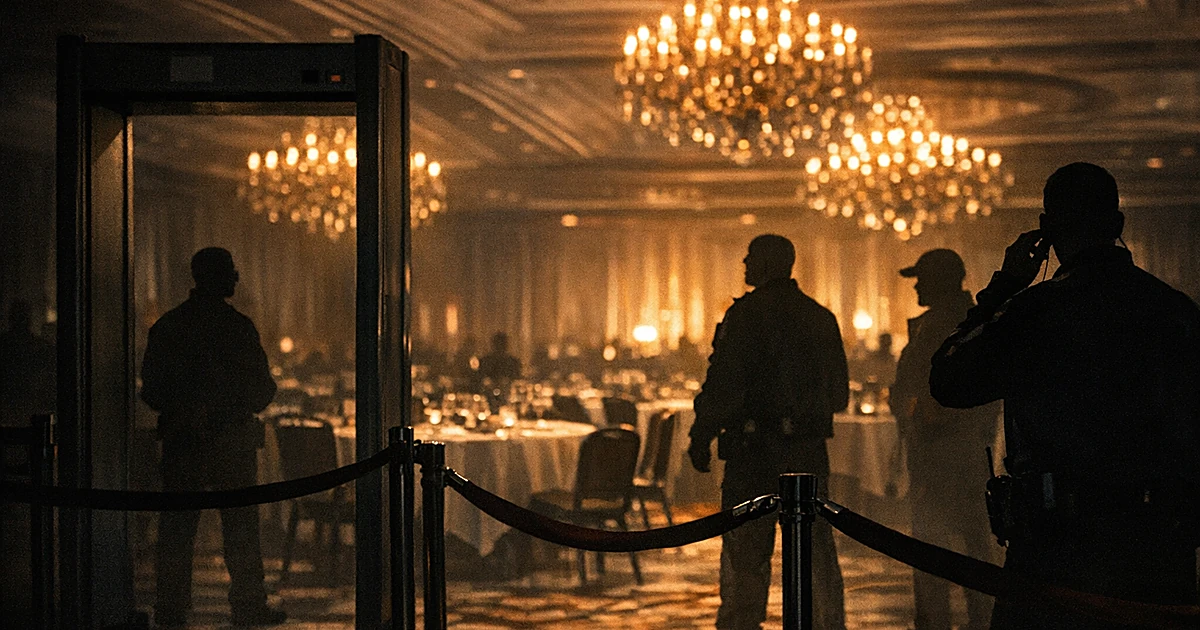
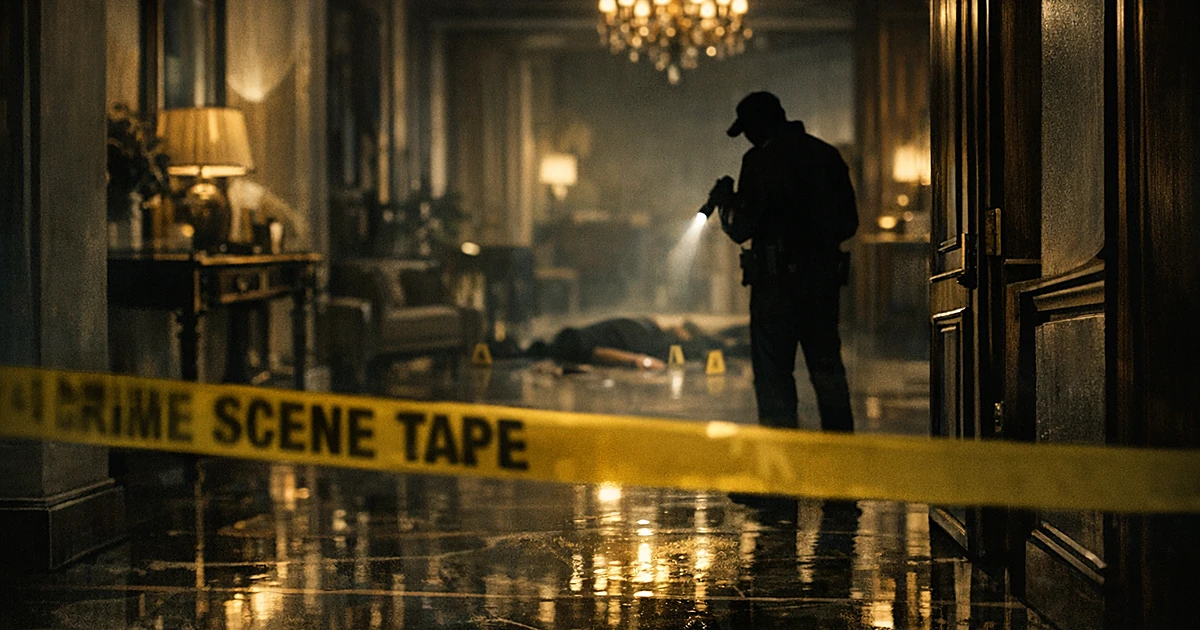
The statement came hours after 31-year-old Cole Tomas Allen of Torrance, California, allegedly traveled across the country by train, arrived at the Washington Hilton armed with a shotgun, a handgun, and multiple knives, and tried to storm a security checkpoint on the floor above where the dinner was being held. Allen allegedly fired two shots before U.S. Secret Service agents apprehended him. One agent was struck by gunfire but survived thanks to a bulletproof vest. No other injuries were reported.
For a president who has already survived two assassination attempts, the incident marked yet another brush with politically motivated violence, this time at an event packed with journalists, government officials, and Washington power brokers.
Obama's post on X acknowledged the shooting but hedged on motive. Breitbart reported that the former president wrote:
"Although we don't yet have the details about the motives behind last night's shooting at the White House Correspondents Dinner, it's incumbent upon all us to reject the idea that violence has any place in our democracy."
He added praise for the Secret Service:
"It's also a sobering reminder of the courage and sacrifice that U.S. Secret Service Agents show every day. I'm grateful to them, and thankful that the agent who was shot is going to be okay."
The words were measured. They were also carefully incomplete. By Sunday, when Obama posted, the suspect's own alleged manifesto had already surfaced, and it did not leave much ambiguity about motive.
Allen allegedly wrote that "Administration officials (not including Mr. [Kash] Patel): they are targets, prioritized from highest-ranking to lowest." He allegedly added: "I experience rage thinking about everything this administration has done." That is not a mystery waiting for "details." That is a man who, by his own alleged words, drew up a target list ranked by proximity to the sitting president.
Obama's framing, "we don't yet have the details about the motives", reads less like caution and more like a deliberate decision to keep the political temperature vague. Compare that to the way media and Democratic leaders instantly assigned blame after other acts of political violence in recent years, often before any manifesto or motive was known at all.
The former president has remained active in political fights well beyond his time in office. When the cause suits him, Obama does not typically struggle to name what he sees. On this occasion, he chose restraint at the precise moment the facts pointed in an uncomfortable direction for the political left.
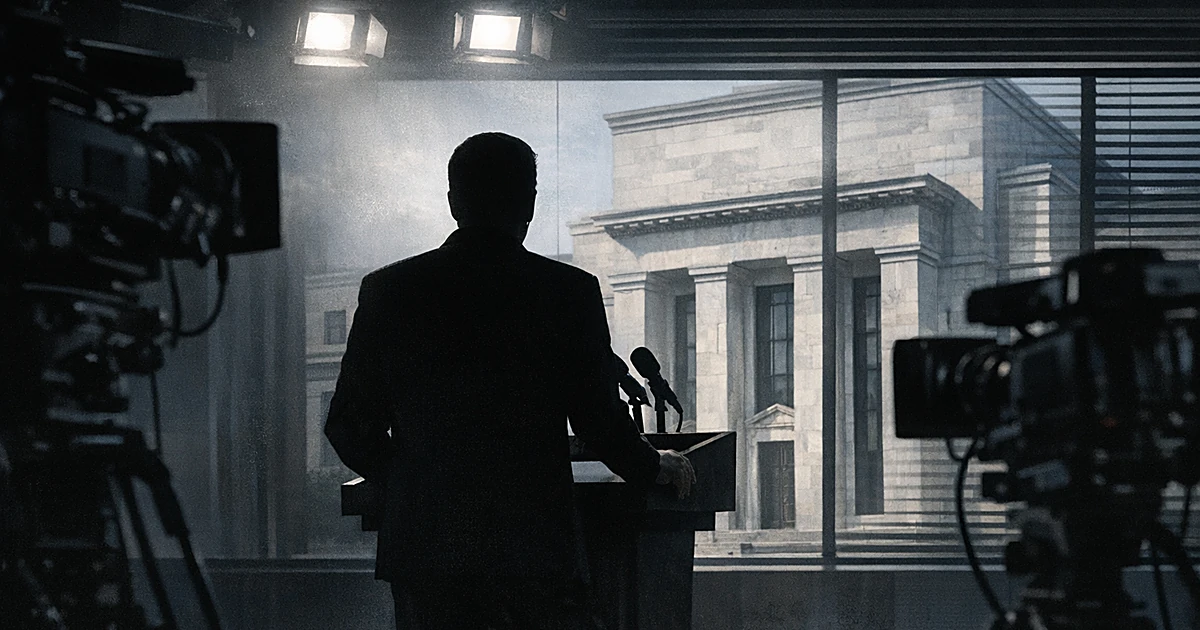
President Trump struck a different tone. Speaking at a press conference after the incident, he asked Americans to recommit to resolving their differences without violence:
"I ask that all Americans recommit with their hearts in resolving our difference peacefully. We have to we have to resolve our differences. I will say, you had Republicans, Democrats, Independents, Conservatives, Liberals, and Progressives. Those words are interchangeable perhaps, but maybe they're not."
Trump also pointed to the atmosphere inside the dinner itself, noting the bipartisan crowd that had gathered before the attack unfolded outside.
"But yet everybody in that room, big crowd, record-setting crowd, there was a record-setting group of people. And there was a tremendous amount of love and coming together. I watched, I watched and I was very, very impressed by that."
Where Obama spoke in the abstract, violence has no place, motives are unclear, Trump named the people in the room. Republicans, Democrats, Independents. He described what he saw: a crowd that came together. It was a specific, grounded appeal, not a press release drafted to avoid saying anything at all.
Cole Tomas Allen, 31, lived in the Los Angeles suburb of Torrance. He allegedly made the cross-country trip to Washington by train, arriving at the Washington Hilton armed with three types of weapons: a shotgun, a handgun, and multiple knives. He allegedly attempted to breach a security checkpoint on the floor above the dinner venue and fired two shots before Secret Service agents took him down.
One agent absorbed a round to the vest. The protective gear did its job. No one else was physically harmed.
The manifesto attributed to Allen laid out his alleged intentions with chilling specificity. Administration officials were described as "targets, prioritized from highest-ranking to lowest." FBI Director Kash Patel was explicitly excluded from the target list, a detail that suggests Allen had done homework on the administration's internal lineup and drawn his own distinctions about who deserved to be in his crosshairs.
The alleged motive, in Allen's own reported words: "I experience rage thinking about everything this administration has done." That sentence does not require a decoder ring. It is political rage, directed at a sitting president and his team, acted upon with firearms at a public event.
Questions remain about what charges Allen faces, what agency identified him, and how he managed to travel armed across the country without detection. Those gaps matter and deserve answers. But the broad outline of what happened, and why, is not ambiguous.
This was the third known attempt or alleged attempt on Donald Trump's life. The former president's statement treated it as a generic call for civility, scrubbed of any acknowledgment that the violence keeps flowing in one direction. Obama did not name the suspect. He did not reference the manifesto. He did not grapple with the fact that a man allegedly driven by hatred of the current administration's policies tried to shoot his way into a room full of officials.
That kind of selective vagueness has consequences. When leaders refuse to name the nature of a threat, they make it harder for the country to confront it. Obama's influence within the Democratic Party remains substantial, he has continued to shape the party's direction and messaging even years after leaving office. A clear, honest statement from him about politically motivated violence against a sitting president would carry real weight. What he offered instead was a template.
Meanwhile, questions about Obama's broader political activity and the network of advisers around him continue to draw scrutiny from Trump allies and conservative commentators.
The Secret Service agents who stopped Allen deserve every word of praise Obama gave them, and more. They stood between a gunman and a room full of people and did their job. One of them took a bullet for it. Their courage was specific, not abstract. It was not a "sobering reminder." It was a man absorbing a round in his vest so that others could live.
Transparency around the Obama orbit has been an ongoing concern for those who believe the former president's post-White House influence deserves the same level of public accountability as his time in office.
The open questions are serious. What charges will Allen face? How did he move armed across the country undetected? What did law enforcement know, and when? And will the political class treat this incident with the gravity it deserves, or memory-hole it the moment the news cycle turns?
Trump, for his part, spoke about love and coming together. He named the people in the room. He asked for peace. Obama posted a careful statement that could have been written about any shooting, anywhere, for any reason.
When violence targets a president, the country doesn't need a press release. It needs leaders willing to say what happened, who did it, and why. Anything less is just words arranged to avoid the point.