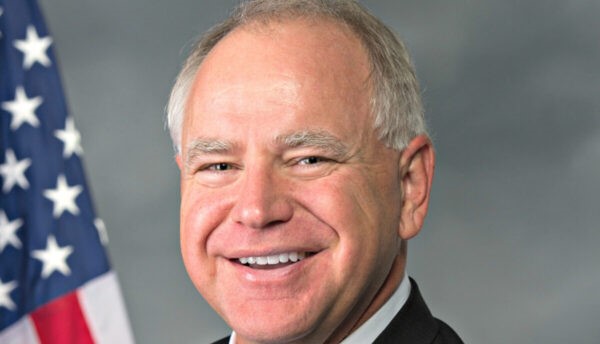
Tucker Carlson, at 56, has set social media abuzz with a recent photo revealing a strikingly slimmer and aged look.
A photo of Carlson alongside Florida Republican gubernatorial candidate James Fishback, taken to promote an upcoming interview in January 2026, drew widespread attention online.
Many users commented on Carlson's noticeable weight loss and altered appearance compared to just months prior. Discussions on platforms like X quickly turned to speculation that Carlson might be using a weight-loss drug like Ozempic, with some pointing to visible signs of rapid weight reduction.
The online chatter has reignited interest in Carlson’s past public statements about health and weight, as well as a prior warning from a guest on his show about the potential dangers of such drugs. This blend of visual change and historical context has fueled a broader conversation about beauty standards and pharmaceutical interventions. What’s behind the buzz, and is there more to this story than meets the eye?
Social media users didn’t hold back, with one X commenter quipping, “The newest Ozempic victim, Tucker Carlson!” That jab cuts deep, suggesting not just a personal choice but a cultural trend of chasing quick fixes. Yet, it’s worth asking if a snapshot really tells the whole tale of someone’s health journey, the Daily Mail reported.
Another user on X remarked, “Ozempic pushed Tucker 25 years into the future I'm sick to my stomach.” Such dramatic reactions point to a visceral unease with rapid physical changes, especially when they align with a drug known for side effects like the so-called “Ozempic face”—think wrinkles and sagging skin. Are we too quick to judge based on a fleeting image?
Carlson’s history adds layers to the speculation, as he’s openly discussed struggling with weight during his Fox News days, blaming a grueling lifestyle. He’s also criticized the pitfalls of processed foods and sugar addiction in past interviews with figures like Clayton Morris. This isn’t just about a photo—it’s about a man who’s long wrestled with health in the public eye.
Back in 2024, Carlson hosted a whistleblower from the pharmaceutical industry on his show, The Tucker Carlson Encounter, aired on February 2. Calley Means, founder of health tech firm TrueMed, didn’t mince words about the risks of drugs like Ozempic. His cautionary take now looms large over the current rumors.
Means warned of severe long-term effects, arguing that the pharmaceutical industry thrives on keeping patients unwell for profit. This perspective challenges the narrative that such drugs are a silver bullet for weight loss. Could Carlson, having heard these warnings firsthand, still have opted for a quick solution?
The term “Ozempic face” has entered the lexicon to describe the aging effects of rapid weight loss—sunken eyes, prominent bones, and sagging skin. Endocrinologist Vinni Makin, speaking to Cleveland Clinic, noted that rushing to max doses for fast results often amplifies these visible changes. This isn’t just a Carlson issue; it’s a broader caution for anyone chasing swift transformation.
The speculation around Carlson mirrors a larger trend, with social media users noting dramatic weight loss across the entertainment industry. Celebrities like Kelly Osbourne, Serena Williams, and Lizzo have faced similar scrutiny over their changing appearances. It’s a reminder that public figures are under a relentless microscope when it comes to body image.
Some observers tie this wave of thinness to a revival of “heroin chic,” the dangerously gaunt aesthetic of the early 1990s. This comparison raises alarms about whether society is sliding back into unhealthy ideals under the guise of health innovation. Are weight-loss drugs normalizing a look that’s more about optics than wellness?
Makin also pointed out that facial changes from rapid weight loss aren’t unique to drugs like Ozempic and are more pronounced in older adults with less fat to spare. At 56, Carlson fits this demographic, suggesting his appearance might reflect natural aging as much as any intervention. Let’s not rush to pin every change on a prescription.
Carlson’s situation underscores a tension between personal health decisions and public judgment. While online critics speculate, there’s no confirmation he’s using any drug, and his past critiques of unhealthy lifestyles show a man aware of dietary pitfalls. Shouldn’t we afford him the space to navigate his own path without armchair diagnoses?
Moreover, the warnings from guests like Means highlight a systemic issue—pharmaceutical incentives that may prioritize profit over patient outcomes. If true, this isn’t just about one man’s appearance but a culture that pushes quick fixes over sustainable health. That’s a debate worth having, far beyond a single photo.
Ultimately, the furor over Carlson’s look is a snapshot of our times—obsessed with image, quick to judge, and wary of Big Pharma’s reach. Yet, amidst the snark, there’s room for empathy toward anyone grappling with health in the spotlight. Let’s keep the focus on facts, not fleeting impressions, as this conversation unfolds.