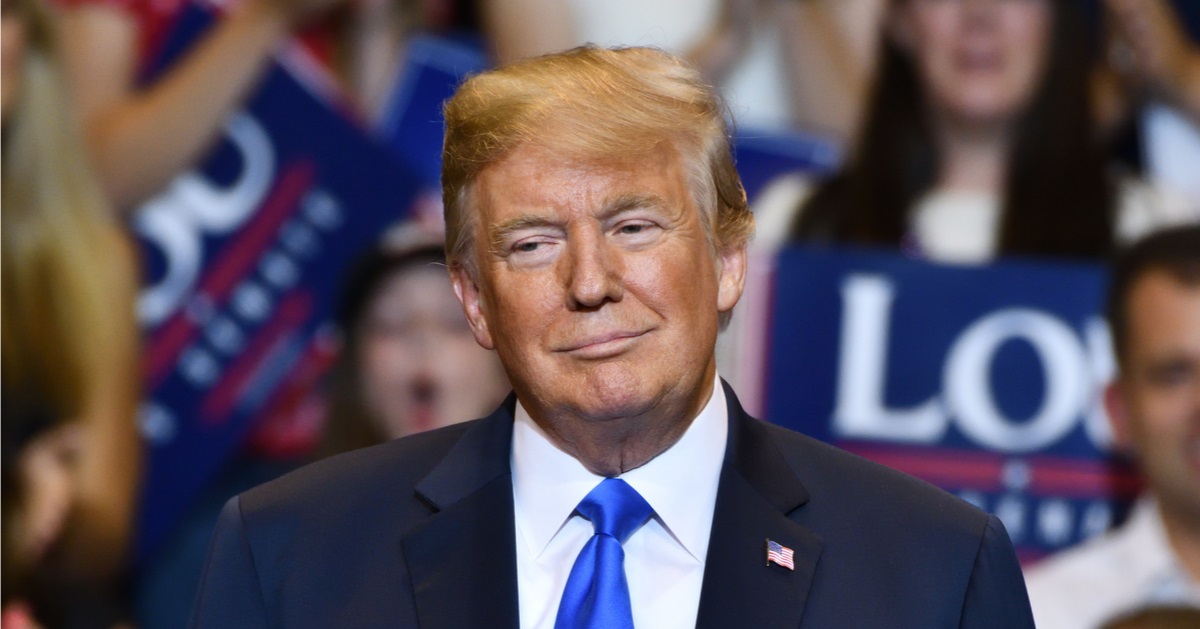
Former President Donald Trump’s sweeping clemency for January 6 offenders might just have tossed a legal lifeline to an accused pipe bomber.
Here’s the crux: Brian Cole Jr., charged with planting explosive devices outside the DNC and RNC headquarters on the eve of January 6, 2021, could potentially slip through the cracks of justice due to a broad pardon Trump issued on his first day back in office last year.
For hardworking taxpayers, this saga is a gut punch, as millions in investigative and legal costs risk being flushed down the drain if Cole’s alleged crimes are covered by this pardon.
Let’s rewind to the night before January 6, 2021, when Cole allegedly placed pipe bombs near the heart of political power in Washington, D.C.
Fast forward to last week, when the Justice Department secured a grand jury indictment against him, and a judge ordered his detention pending trial after a tense court hearing.
Yet, in a twist that could make your head spin, Trump’s pardon—covering roughly 1,500 individuals tied to the Capitol events—might include Cole’s actions under its expansive umbrella.
Trump’s clemency, issued last year on day one of his return, offered a full pardon to anyone convicted of offenses linked to January 6 at or near the Capitol.
The language is as wide as the Mississippi, lacking any cutoff date for charges and already applied to pending cases, potentially sweeping in Cole’s alleged bombing plot.
Even the Supreme Court, over a century and a half ago, affirmed that presidents can issue preemptive pardons for past conduct—whether charges existed or not at the time.
During an FBI interview after his arrest, Cole confessed, reportedly saying he “was frustrated with both political parties,” as noted by U.S. Attorney for the District of Columbia Jeanine Pirro on social media.
But here’s the rub: while Cole denied his actions targeted Congress or the January 6 proceedings, a judge noted the bombs were placed near the Capitol the night before lawmakers certified the 2020 election results.
A former January 6 prosecutor suggested Cole could argue his acts diverted law enforcement from the Capitol that day, tying them to the broader chaos—pardon territory, perhaps?
Now, let’s not ignore the elephant in the room: roughly three-quarters of Americans opposed Trump’s pardon, especially for violent offenders, viewing it as a sidestep of accountability.
Cole’s case, alongside high-profile releases like Oath Keepers leader Stewart Rhodes, only fuels the fire, as some pardoned individuals have allegedly committed new politically charged crimes since their release.
While the Justice Department danced around linking Cole’s bombs to January 6 in court last week, the question remains—will this pardon undermine every effort to hold wrongdoers accountable, leaving conservatives and moderates alike scratching their heads?