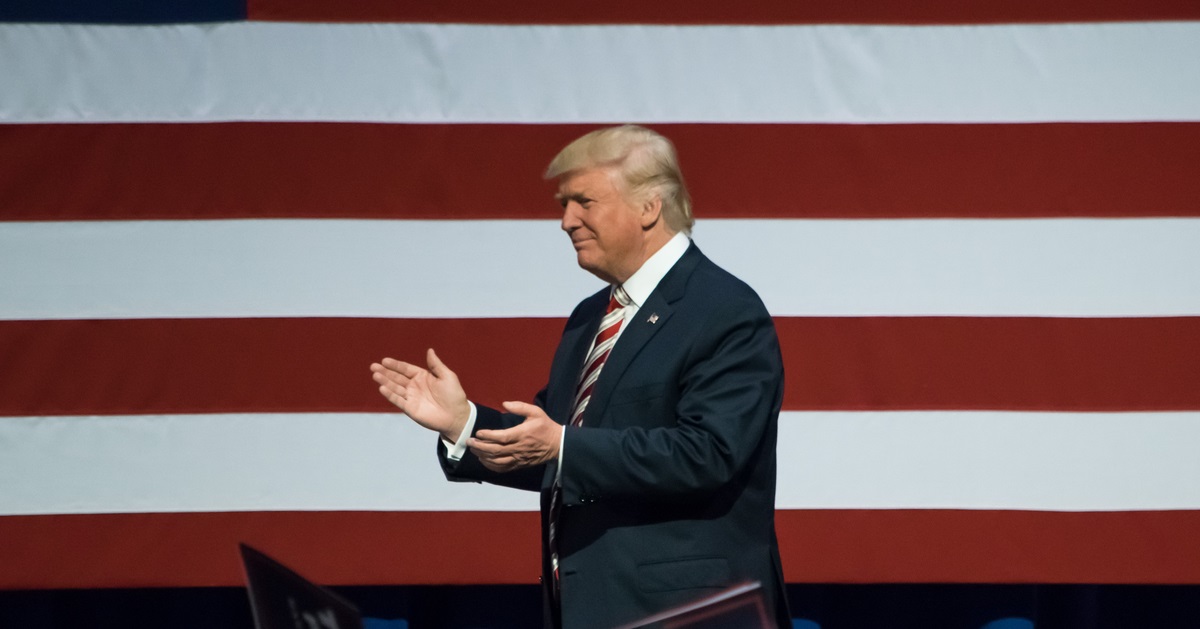
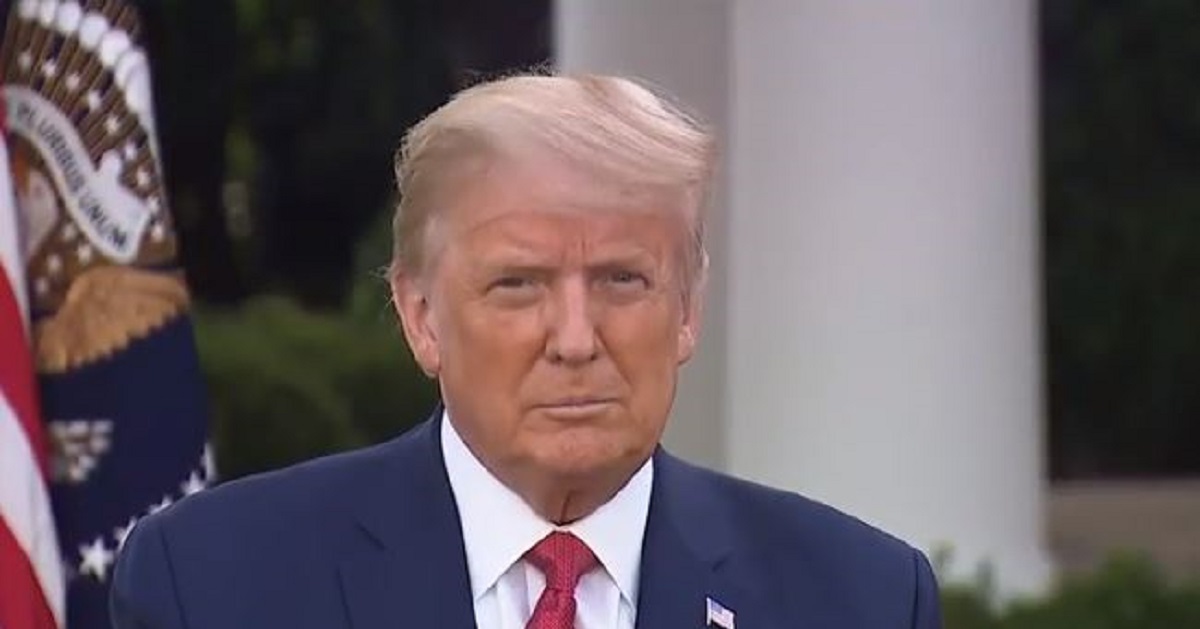
President Donald Trump suggested in comments from Mar-A-Lago on Monday that Venezuelan President Nicolas Maduro should pack his bags and step down before things get uglier.
Trump’s latest comments come as the U.S. ramps up military and economic pressure on Venezuela with naval blockades and strikes, while Russia doubles down on supporting Maduro ahead of a critical UN Security Council meeting.
Every naval operation and blockade costs millions, funds that could be fixing roads or securing borders at home. Conservatives are right to demand transparency on how deep this rabbit hole goes.
Trump didn’t mince words when reporters pressed him at his Florida home about whether U.S. actions aim to oust Maduro after over a decade in power. “That’s up to him, what he wants to do. I think it would be smart for him to do that,” Trump said.
Let’s unpack that—Trump’s basically saying Maduro’s playing with fire, and conservatives know a weak leader caves under pressure. If Maduro thinks he can outlast American resolve, he’s misreading the room.
Since September, U.S. forces have been striking boats in the Caribbean and eastern Pacific, targeting alleged drug trafficking under Trump’s direct orders. Tragically, over 100 have died, with some families and governments claiming the deceased were mere fishermen. This raises tough questions about collateral damage that deserve straight answers.
Last week, Trump announced a blockade on sanctioned oil vessels heading to or from Venezuela, accusing Caracas of using oil revenue for sinister purposes. He claimed the regime funds “drug terrorism, human trafficking, murder and kidnapping.” That’s a hefty charge, and if true, it’s a national security red flag.
But here’s the rub—Venezuela argues this is just Washington’s excuse for regime change, calling U.S. actions “international piracy.” From a conservative lens, skepticism of government overreach is healthy, but so is holding corrupt regimes accountable.
Trump also vented frustration over Venezuela’s nationalized petroleum sector, implying it’s a loss for American interests. If oil is indeed fueling crime as he claims, then the blockade might be a bitter but necessary pill.
Meanwhile, Russia, a staunch ally of Maduro, isn’t sitting idly by as tensions mount. Moscow reaffirmed its “full support” for Venezuela’s government, especially on the eve of a UN Security Council meeting to address the crisis.
In a phone call, Russian Foreign Minister Sergei Lavrov and Venezuelan counterpart Yvan Gil slammed U.S. strikes on boats and the seizure of oil tankers. They warned of serious regional consequences, a point that should make any conservative pause—escalation isn’t always the answer.
Venezuela, backed by Russia and China, requested the UN meeting to spotlight what they call ongoing U.S. aggression. Caracas even sent a letter to UN members, read on state TV by Gil, warning that the blockade could disrupt global oil and energy supplies.
Let’s be real—disrupting oil supplies isn’t just Venezuela’s problem; it’s a potential shock to gas prices worldwide, hitting working-class Americans hardest. Conservatives should be asking if this gamble is worth the pump pain.
Russia’s involvement adds another layer of complexity, especially with U.S.-Russia relations already frayed over Ukraine. While some might shrug off Moscow’s posturing, ignoring a nuclear power’s stance on Venezuela isn’t exactly a winning strategy.
At the end of the day, Trump’s push against Maduro is a bold stand against a regime many conservatives see as a festering problem. But with lives lost, millions spent, and global ripples looming, every move must be weighed with hard-nosed scrutiny. America First doesn’t mean America reckless.