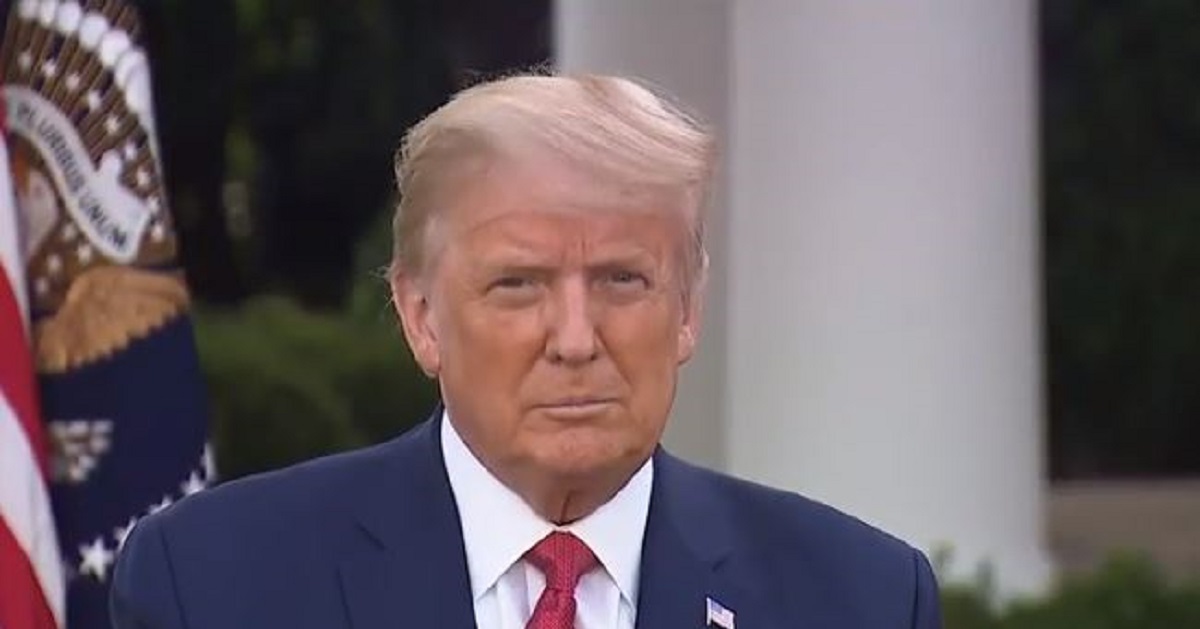
President Donald Trump has launched a staggering $10 billion legal battle against the IRS, accusing the agency of betraying his trust by leaking sensitive tax information.
Filed recently, as reported by Fox News on Thursday, the lawsuit claims the IRS unlawfully disclosed Trump’s confidential tax returns, along with data related to his family and the Trump Organization, to major outlets like The New York Times and ProPublica.
The suit centers on actions tied to former IRS contractor Charles Littlejohn, who pleaded guilty in October 2023 to a felony count of unauthorized disclosure of tax information. Littlejohn, now serving a five-year prison sentence, admitted to stealing and leaking Trump’s records as well as data on other wealthy individuals.
Trump’s legal team isn’t holding back, pointing fingers at what they call a deliberate attempt to undermine him through illegal means. A spokesman for the team told Fox News the leak came from “a rogue, politically motivated” IRS employee, suggesting a calculated effort to tarnish Trump’s reputation. If true, this isn’t just a breach of data—it’s a breach of public trust.
Charles Littlejohn, the contractor at the heart of this scandal, didn’t just leak a few numbers. He admitted to handing over Trump’s tax records to The New York Times and sharing confidential data on other high-profile individuals with ProPublica. In a 2024 deposition, Littlejohn revealed the leaked Trump materials covered all of his business holdings, painting a sweeping invasion of privacy.
The scale of this disclosure is jaw-dropping, even by Washington’s murky standards. DOJ prosecutors, in a June 2025 Judiciary Committee press release, called Littlejohn’s actions “unprecedented in its scope and scale” in a rare admission of just how far this breach went.
Trump’s lawsuit argues these leaks didn’t just break federal privacy laws—they caused harm to millions by exposing sensitive information. The idea that a single disgruntled contractor could wield this much power raises serious questions about oversight at the IRS. Who’s guarding the guardians when they’re the ones picking the locks?
Littlejohn, for his part, has clammed up when pressed for more answers. Fox News Digital reported he invoked his Fifth Amendment rights and refused to testify before Congress while appealing his sentence. That silence only fuels suspicion about what else might be lurking in this mess.
The fallout from these disclosures isn’t just personal for Trump; it’s a warning shot for every American with private data in government hands. If a politically charged leak can happen to a former president, what’s stopping it from happening to anyone? This case isn’t just about one man—it’s about systemic vulnerabilities.
Critics of the IRS argue this incident exposes a deeper rot within federal bureaucracies, where personal agendas can trump legal boundaries. The notion of a “rogue” employee acting alone feels flimsy when the damage is this extensive. Shouldn’t there be failsafes to prevent such catastrophic breaches?
Trump’s $10 billion demand isn’t just a number—it’s a message. The lawsuit frames the leaks as not only illegal but devastating, setting a precedent for how far the government can be held liable. Whether the courts agree remains to be seen, but the stakes couldn’t be higher.
On the flip side, some might argue the public has a right to know about powerful figures’ finances, especially when they’ve held high office. But there’s a difference between transparency and theft, and bypassing federal privacy laws isn’t the way to achieve it.
The broader implications of this lawsuit could reshape how the IRS handles sensitive information. If Trump prevails, it might force a long-overdue reckoning on data security within government agencies. But a loss could embolden others to exploit similar loopholes, knowing the consequences are minimal.
For now, the spotlight is on Littlejohn’s actions and the IRS’s apparent failure to stop him. His guilty plea and five-year sentence are a start, but they don’t undo the damage or answer why this was allowed to happen. The public deserves more than after-the-fact apologies.
As this legal drama unfolds, it’s a stark reminder of the fragile line between privacy and exposure in the digital age. Trump’s fight isn’t just for himself—it’s a battle cry for anyone worried about government overreach. Will the courts deliver justice, or will this be another chapter in a system that’s lost its way?