President Donald Trump fired back at Tucker Carlson on Tuesday, telling the New York Post that the conservative commentator "has absolutely no idea what's going on" after Carlson publicly accused the administration of steering the country toward nuclear war with Iran. The sharp exchange marks the most visible rift yet between Trump and a former media ally over the direction of U.S. policy in a conflict now entering its sixth week.
Trump also called Carlson "low IQ," a pointed dismissal that landed after Carlson's viral X post and accompanying podcast remarks characterized the president's warning to strike Iranian infrastructure as "the first step toward nuclear war." Carlson went further, accusing Trump of threatening "war crimes" by targeting assets such as power plants and bridges, and urged administration officials to refuse to carry out any such orders.
The White House, for its part, called interpretations that the administration was considering nuclear options "absurd" and accused critics of deliberately mischaracterizing official statements, Newsmax reported.
Carlson's broadside did not arrive in a vacuum. The commentator, once among Trump's most prominent media allies, has been escalating his criticism of the administration's posture in the Middle East for weeks. In a post on X, he framed a recent Trump social media statement about Iranian infrastructure as an implicit threat of catastrophic escalation, a reading the White House flatly rejected.
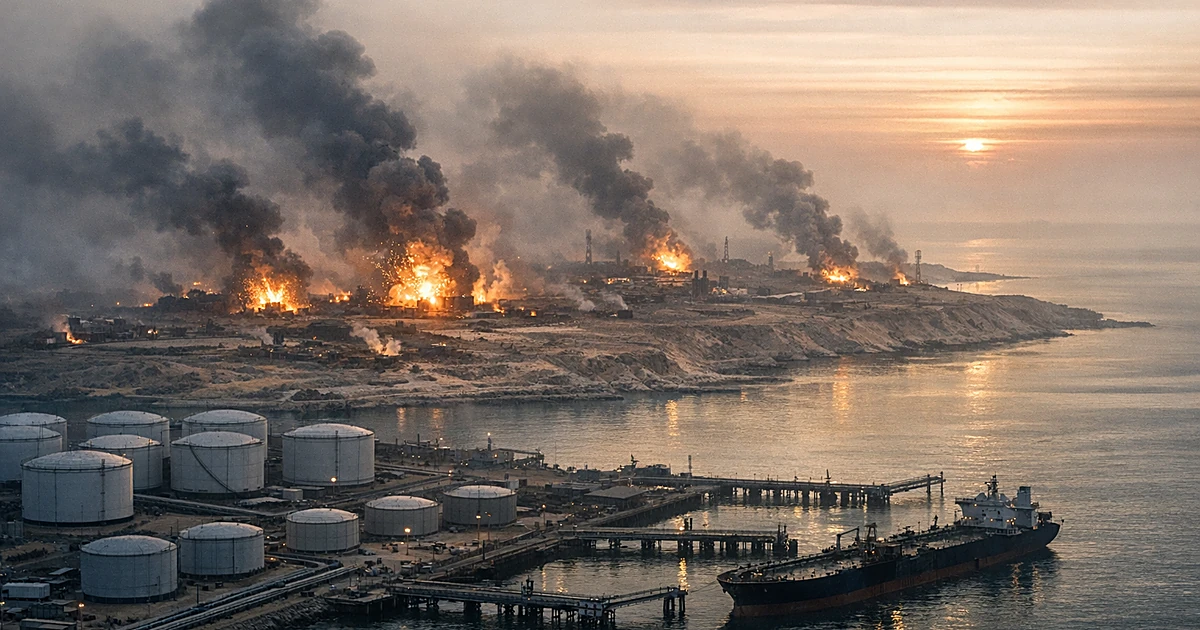
The administration insists it is focused on protecting U.S. interests and restoring stability in the Middle East. Trump has taken a hard-line stance, demanding Iran reopen the Strait of Hormuz or face devastating consequences. He has emphasized that multiple military options remain on the table, ranging from intensified airstrikes to targeted operations against key Iranian assets. Experts cited in the reporting note that Kharg Island could become a strategic target if tensions continue to escalate.
None of that amounts to a nuclear threat. The White House made that distinction explicit.
Yet Carlson's framing, nuclear war, war crimes, insubordination, traveled fast online, forcing the administration into a defensive posture on a claim it calls fabricated. That dynamic is familiar to anyone who has watched political opponents level accusations against Trump without offering evidence, only to watch the accusation itself become the story.
The Tuesday clash did not emerge from nowhere. Carlson has been publicly breaking with Trump over the Iran conflict for some time. In an earlier round of criticism, he accused Trump of being "complicit" in the broader Middle East conflict because of U.S. funding and weapons support for Israel's strikes on Iran.
"Washington knew these attacks would happen. They aided Israel in carrying them out," Carlson wrote, as Newsmax previously reported. He argued that direct U.S. involvement in war with Iran would betray voters who supported Trump's "America First" platform, and urged the country to "drop Israel" and let it fight its own wars.
Carlson also turned on prominent conservative media figures, asking "Who are the warmongers?" on X before naming those he accused of pushing for military escalation. The targets included well-known pro-intervention voices in right-of-center media and the donor class.
That kind of rhetoric, accusing fellow conservatives of warmongering while urging military officials to defy presidential orders, goes well beyond policy disagreement. It is a call for institutional resistance to a sitting president from within his own political coalition, a pattern that has surfaced in other cases where former allies have broken with the White House on Iran.
Carlson is not entirely alone on the right. Former Rep. Marjorie Taylor Greene, R-Ga., has also voiced unease about Trump's response, though the nature of her specific objections is less clear. The broader tension reflects a genuine divide among more isolationist "America First" advocates who want the United States disengaged from Middle Eastern conflicts and those who view strong deterrence as the only credible path to avoiding a wider war.
Trump's position falls squarely in the deterrence camp. He has argued that strong deterrence is necessary to counter Iran's aggression and ensure the free flow of global energy through the Strait of Hormuz, a chokepoint whose closure would send oil prices soaring and punish American consumers at the pump.
The question is whether Carlson's brand of opposition, built on inflammatory claims the White House calls false, helps or hinders that debate. A good-faith argument against military escalation is one thing. Claiming the president is about to start a nuclear war, with no evidence to support it, is something else entirely.
Intra-party disagreements are nothing new. Prominent Republicans have publicly broken with Trump on foreign-policy questions before, from NATO commitments to the scope of executive authority. Those fights, however heated, at least tend to operate within the bounds of verifiable claims.
As the deadline for Iran to comply with U.S. demands approaches, the administration faces a genuine strategic challenge. Iran has not reopened the Strait of Hormuz. Military options remain on the table. The conflict is six weeks old and showing no sign of resolution.
What the administration does not need is a parallel fight over fabricated claims about nuclear weapons, claims its own White House has called absurd. The fog of online discourse is thick enough without a high-profile commentator adding to it by mischaracterizing official statements and then urging government officials to commit insubordination.
There is also a practical cost. Every hour the White House spends batting down false nuclear-war narratives is an hour not spent on the actual diplomacy and deterrence the situation demands. That dynamic benefits Iran, not the United States. It is worth asking whether those who demand transparency from the administration are genuinely interested in accountability, or simply in generating the loudest possible noise.
Trump's willingness to call out Carlson by name signals that the White House views the commentator's claims not as honest dissent but as reckless misinformation. Whether Carlson adjusts course or doubles down will say a great deal about whether his opposition is rooted in principle or performance.
Disagreement is healthy. Fabrication is not. And when a commentator with a massive platform invents a nuclear crisis to score points against a president managing a real one, the people who pay the price are the Americans trying to understand what their government is actually doing.