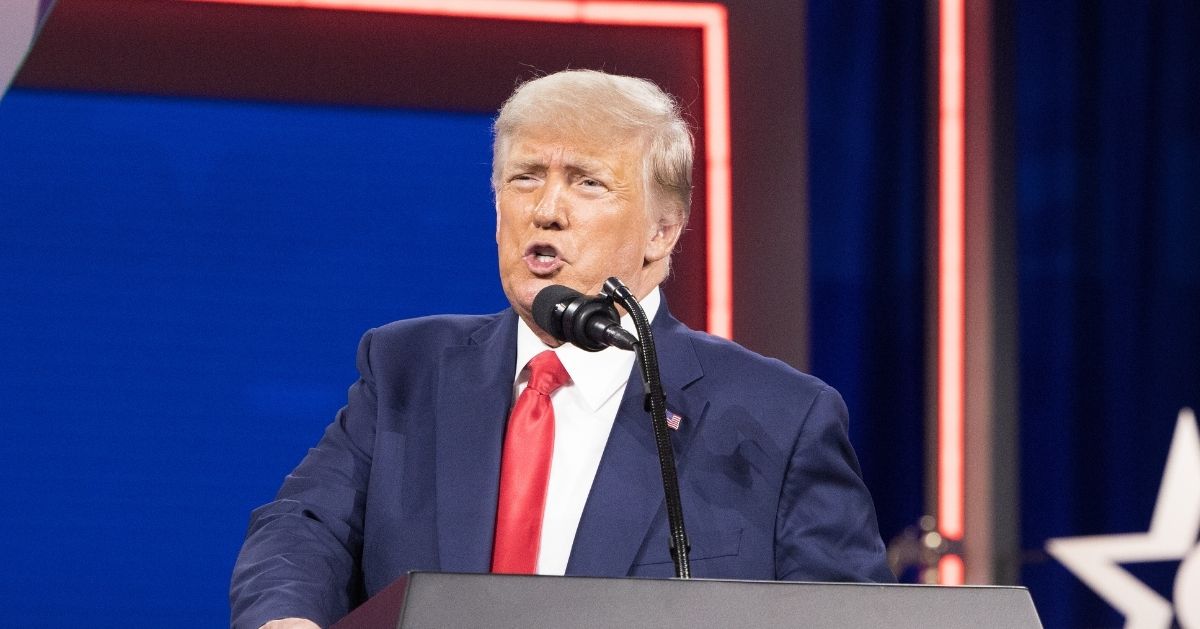
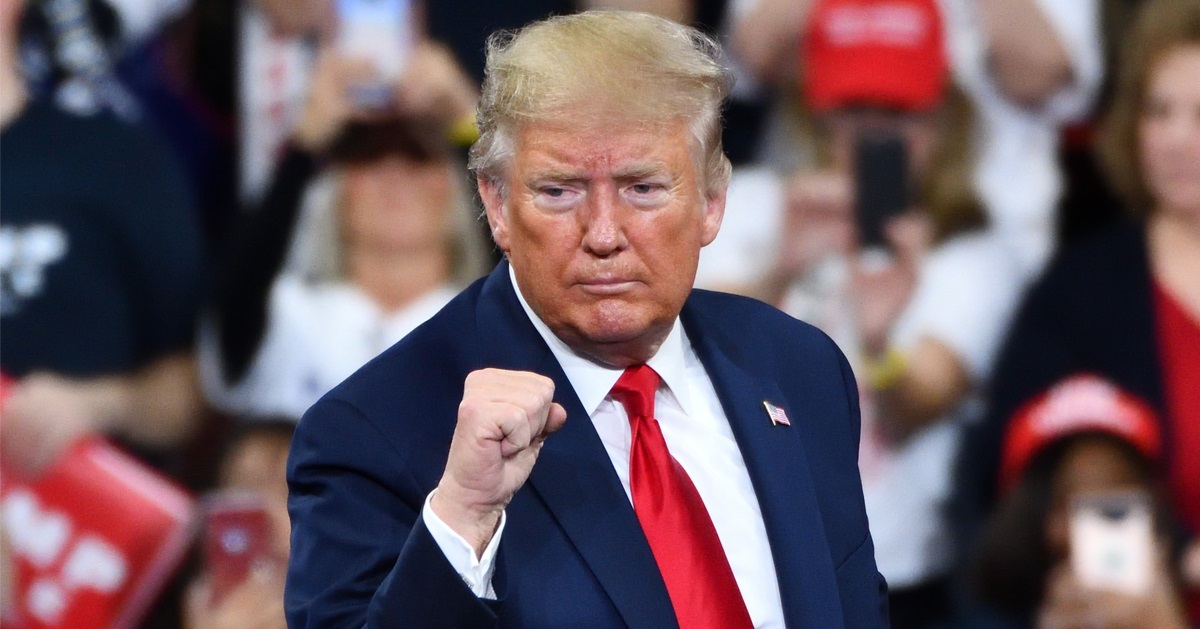
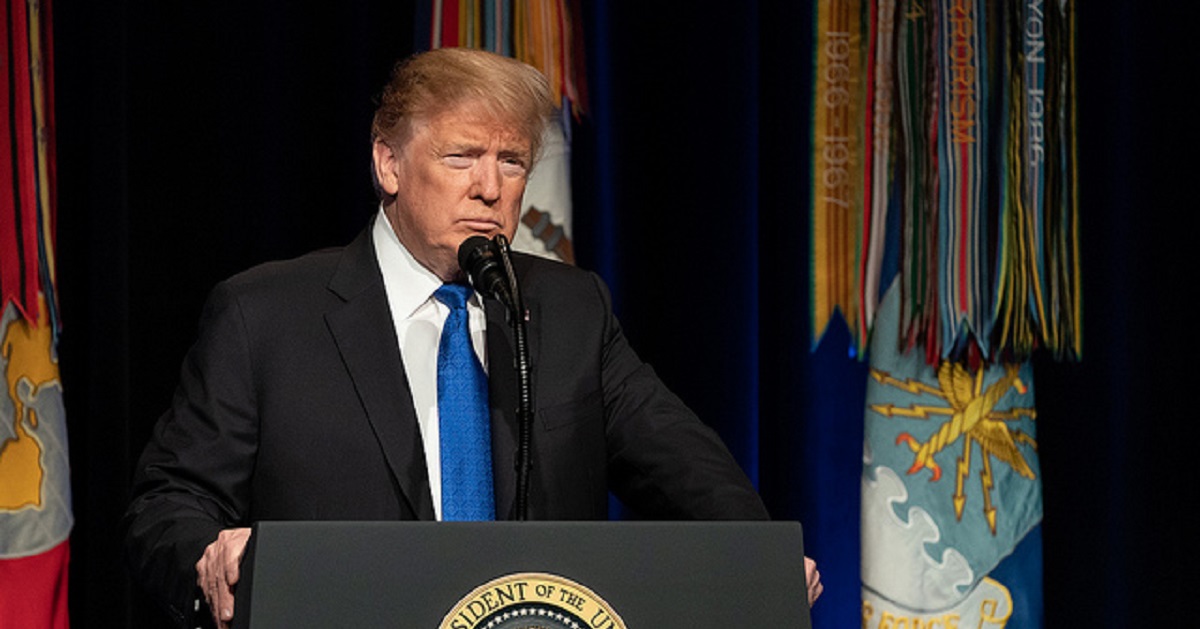
President Donald Trump stirred the pot over the weekend with a peculiar social media post on Truth Social, sharing a doctored Wikipedia image that labels him as the “Acting President of Venezuela.”
On Saturday, Trump posted the edited image, though his actual Wikipedia page does not list such a title, and the post seems intended as humor. The move comes amid his ongoing rhetoric about influencing Venezuela’s direction, including comments on running the country and steering its oil policies. This follows a U.S. military raid on January 3, 2026, in Caracas that led to the extraction of former dictator Nicolas Maduro, with Delcy Rodriguez now acting as interim leader.
The issue has sparked debate across political lines, with some seeing Trump’s post as a lighthearted jab and others viewing it as a troubling signal of overreach. While the image may be a jest, his broader messaging about controlling Venezuela’s future has raised eyebrows and fueled online outrage among his detractors.
Just a day before the social media post, on Friday, Trump hosted U.S. oil executives at the White House to discuss massive investments in Venezuela’s crumbling oil infrastructure. He pitched a staggering $100 billion plan to repair aging pipelines, aiming to benefit both American and Venezuelan citizens through wealth extraction, according to the Daily Mail. However, industry pushback has been swift, with concerns about the risks of investing under current conditions.
ExxonMobil CEO Darren Woods was particularly skeptical, stating, “Today it's uninvestable.” That blunt assessment didn’t sit well with Trump, who, by Sunday, remarked he’s “probably inclined to keep Exxon out” of any future deals. It’s clear the road to revitalizing Venezuela’s oil sector won’t be a smooth one.
Rodriguez and her administration, surprisingly, appear open to Trump’s vision of selling between 30 and 50 million barrels of oil, a deal potentially worth over $2 billion. While this could signal a rare alignment of interests, the ground reality in Venezuela remains volatile, casting doubt on whether such plans can truly take root. Stability, after all, isn’t built on press releases alone.
The social media post didn’t just raise questions about policy—it ignited a firestorm online, especially among Trump’s critics. Democratic Congressman Ted Lieu scoffed, “Trump sucks at running America. Which is why he also sucks at running Venezuela.”
That jab, while sharp, misses the bigger picture—Trump’s focus on Venezuela isn’t just about governance but about securing resources for mutual gain. Critics like Lieu seem more fixated on snark than engaging with the strategic intent behind these moves. If anything, the outrage only amplifies Trump’s knack for dominating the conversation.
Trump’s rhetoric about “running” Venezuela, paired with threats against Rodriguez if she opposes him, underscores his unapologetic stance on controlling the nation’s vast oil reserves. While some see this as reckless posturing, others view it as a bold attempt to reshape a broken system. The line between bravado and strategy remains blurry, but the intent is unmistakable.
This week, Trump is set to meet with Maria Machado, the Nobel Prize-winning Venezuelan opposition leader, to presumably discuss the path forward. Such a meeting could signal an effort to build broader support for his initiatives, or at least to counterbalance Rodriguez’s influence. It’s a critical moment to watch as alliances form.
The aftermath of the January 3 raid, with explosions rocking Caracas and fires at Fuerte Tiuna, Venezuela’s largest military complex, serves as a stark reminder of the instability at play. Any investment or policy push must grapple with this chaotic backdrop, where military and political tensions simmer. Trump’s team knows this isn’t a game of chess—it’s a minefield.
Supporters of Trump’s approach argue that Venezuela’s oil wealth, long mismanaged under previous regimes, deserves a pragmatic overhaul. They see his involvement as a chance to cut through bureaucratic stagnation and progressive hand-wringing, bringing tangible benefits to both nations. The potential for economic revival, if executed well, could be a game-changer.
Yet, the risks are undeniable, as industry leaders like Woods have pointed out with cold, hard logic. Venezuela’s history of seizing foreign assets twice before looms large, making billion-dollar bets a tough sell to cautious executives. Trump’s dismissal of such concerns may energize his base, but it won’t magically stabilize the region.
Ultimately, Trump’s social media antics, while amusing to some, are a sideshow to the real stakes—rebuilding a nation’s infrastructure while navigating a political quagmire. His push for control, whether through oil deals or direct rhetoric, reflects a refusal to play by the usual diplomatic rules. Whether that’s genius or folly remains to be seen, but it’s certainly not dull.