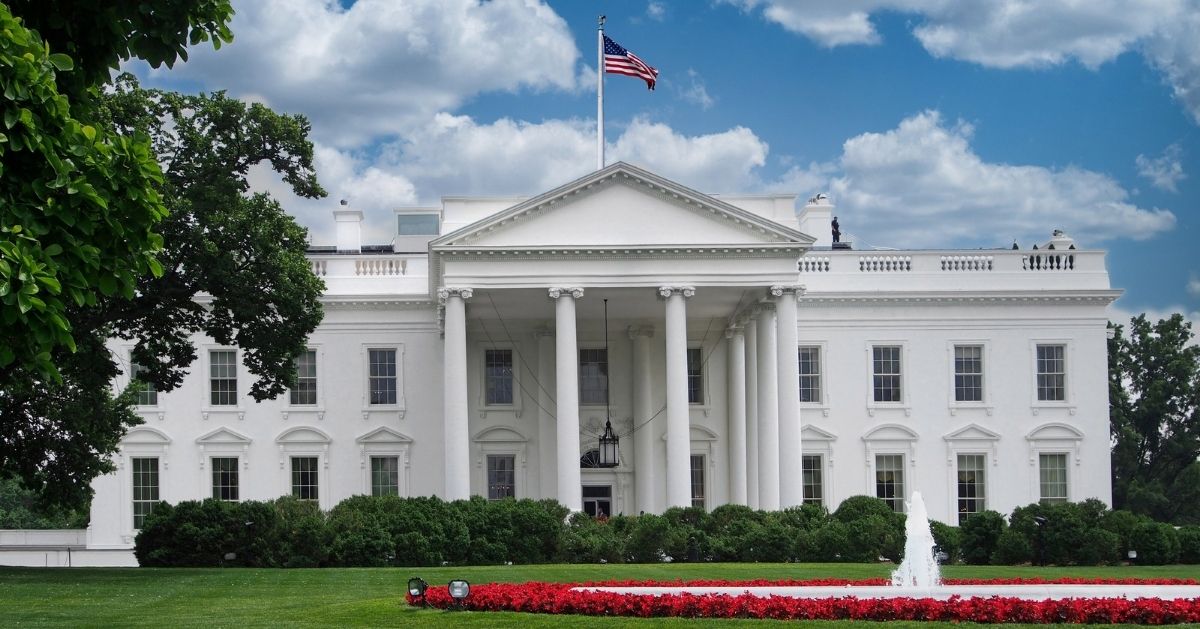
President Donald Trump has boldly declared that a massive new ballroom at the White House will move forward, brushing aside a fresh lawsuit aiming to stop the construction.
On Sunday, Trump announced via Truth Social that halting the project is no longer an option. The lawsuit, filed by the National Trust for Historic Preservation, challenges the construction of a sprawling 90,000-square-foot ballroom in the East Wing, designed to seat 650 guests. Announced on July 31 by White House press secretary Karoline Leavitt, the $300 million project is entirely funded by private donations, with no taxpayer money involved.
The ballroom, intended to reflect the classical White House design, will replace the current East Wing structure. Trump has also overseen other aesthetic changes since returning to office, including gold accents in the Oval Office and the unveiling of monuments like the “Arc de Trump” near Arlington Memorial Bridge. Additional projects include the “Presidential Walk of Fame” along the West Wing colonnade and a renovation of the Lincoln bathroom.
Trump didn’t mince words on Truth Social, stating it’s “too late” to derail the project, according to Fox News. While Trump insists the ballroom is a generous gift to the nation, critics argue it disrupts historical integrity.
The National Trust for Historic Preservation’s late filing has drawn Trump’s ire, and frankly, it’s hard to disagree with his frustration. If the East Wing’s history was so sacred, why wait until now to sue?
Trump emphasized the project as “a GIFT (ZERO taxpayer funding) to the United States of America.” That’s a fair point—private donations footing a $300 million bill should ease concerns about public cost. Yet, the question lingers: Does opulence fit the White House’s symbolic role?
Look at the broader context of Trump’s vision. From gilding the Oval Office to erecting the “Arc de Trump” for the nation’s 250th anniversary, his taste for grandeur is reshaping Washington, D.C. Some see this as a bold celebration of American strength; others, a distraction from pressing issues.
The East Wing itself, as Trump noted, has been altered repeatedly over time. If it’s already a patchwork of history, why the sudden outcry over a ballroom designed to match the White House’s classical aesthetic? This feels more like resistance to change than a defense of heritage.
Then there’s the “Arc de Trump,” a near-twin to Paris’s Arc de Triomphe, welcoming visitors from Arlington National Cemetery. It’s a striking tribute for the anniversary, but mirrors and gold-framed portraits along the West Wing colonnade scream excess. Is this reverence or self-aggrandizement?
Even the Lincoln bathroom renovation, announced on Truth Social on Oct. 31, reflects Trump’s insistence on historical fidelity. Art-deco green tiles from the 1940s were deemed out of place for Lincoln’s era, so they’re gone. Fair enough—authenticity matters, but not everyone agrees on what that looks like.
The “Presidential Walk of Fame” adds another layer, with portraits of past leaders, including Joe Biden’s autopen-signed image. That detail feels like a subtle jab, but it’s also a reminder of how Trump’s team curates every visual message.
Supporters of Trump’s projects see them as a reclamation of American pride, a push against bland, progressive minimalism.
Why shouldn’t the White House reflect strength and beauty? It’s a fair argument when cultural erosion often hides behind “preservation.”
Yet, there’s a line between honoring history and rewriting it. The National Trust’s lawsuit, while poorly timed, taps into a real concern: unchecked changes risk turning sacred spaces into personal showcases. Balance is key, and dialogue—not dismissal—should guide this debate.