President Donald Trump has ignited a firestorm of debate with pointed remarks about the U.S. Supreme Court’s handling of transgender athlete cases.
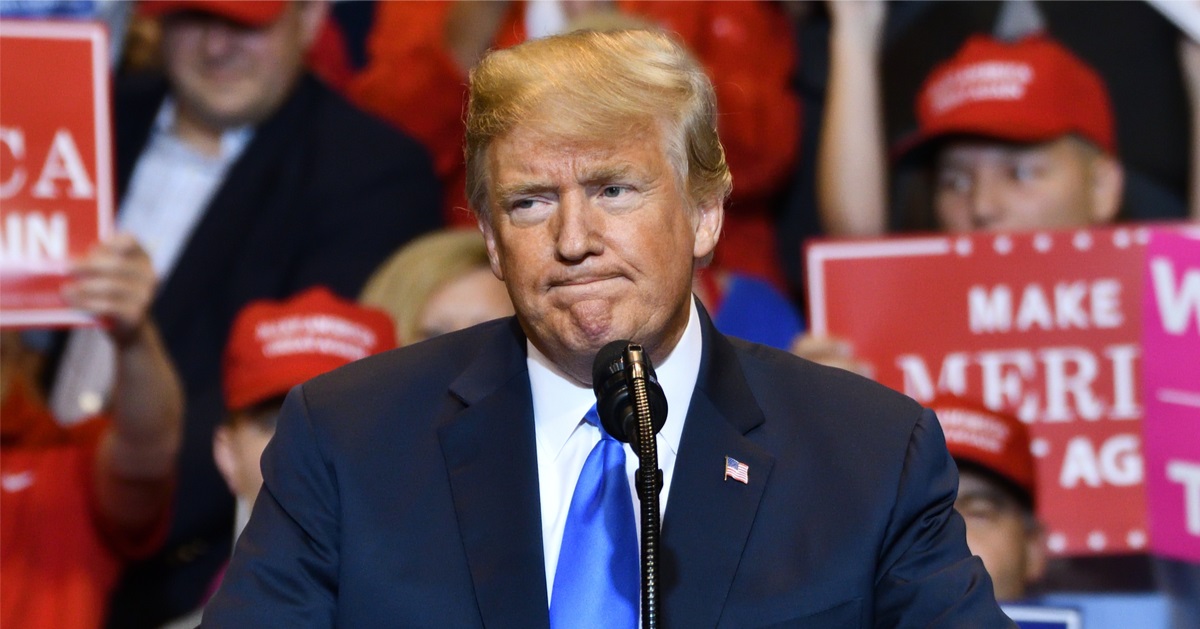
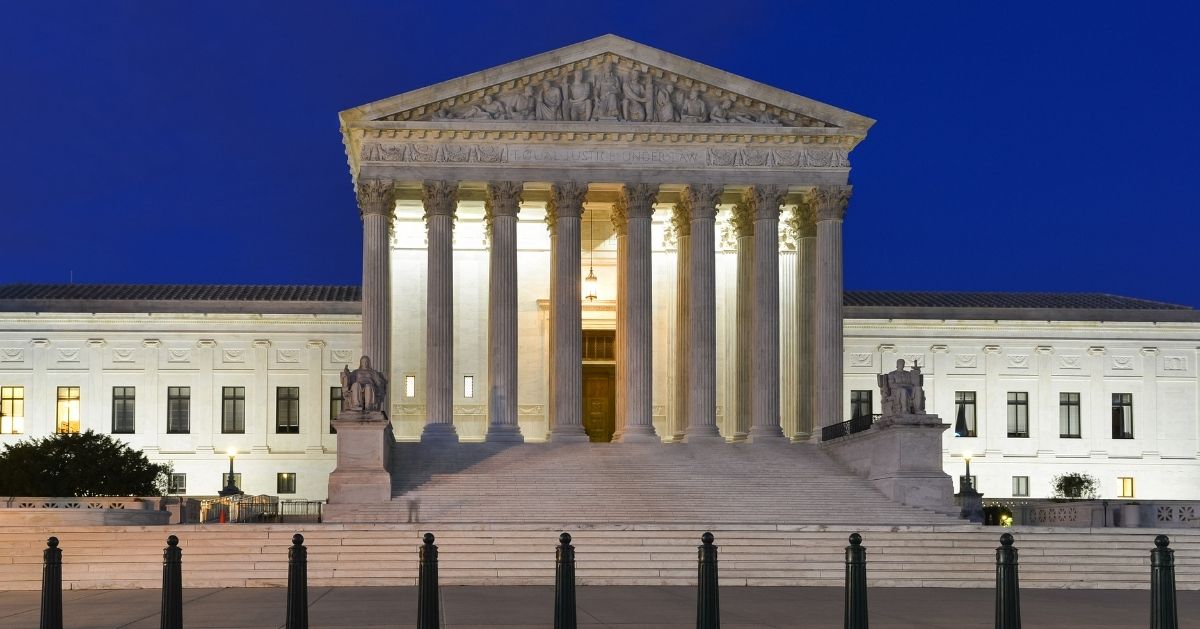
At a White House press conference on Tuesday, Trump addressed ongoing Supreme Court cases involving state laws in Idaho and West Virginia that bar biological males from competing in girls’ and women’s sports. The Court heard arguments last week on these two cases, which could lead to a landmark ruling by June at the latest. Trump criticized justices who seem to favor the transgender plaintiffs, while also criticizing the previous administration’s stance on the issue.
The issue has sparked intense debate over fairness in sports and the rights of transgender individuals. Voices on both sides are weighing in as the nation awaits a pivotal decision. Let’s unpack the arguments and why this matters so much.
Trump didn’t hold back during his press conference, expressing disbelief at some justices’ apparent support for allowing biological males in women’s competitions, according to Fox News. He argued that such rulings undermine the integrity of female athletics. His words cut to the heart of a growing concern among many parents and athletes.
“All you have to do is look at the records, look at weightlifting records, look at swimming records, look at track and field,” Trump said. “This is not fair. It’s very demeaning to women.”
That statement hits hard when you consider the years of dedication female athletes pour into breaking barriers, only to face what many see as an uneven playing field. Performance disparities in sports like swimming and track are well-documented, fueling the argument for protecting women’s categories. It’s a visceral point that resonates with a lot of folks.
During the hearings, Justices Ketanji Brown Jackson and Sonia Sotomayor raised questions that suggested sympathy for the transgender athletes challenging the Idaho and West Virginia laws. Jackson pressed Idaho’s Solicitor General on whether the state’s Fairness in Women’s Sports Act unfairly targets transgender status. Some courtroom observers noted Justice Clarence Thomas appearing visibly disengaged during these exchanges.
Meanwhile, Sotomayor highlighted the estimated 2.8 million transgender individuals in the U.S., questioning how their rights should be balanced against the majority's concerns. “The numbers don’t talk about the human beings,” she remarked. Her focus on personal impact over percentages is a reminder of the human stakes in this legal battle.
Yet, for every empathetic point, there’s a counterargument about preserving competitive equity for female athletes. Many worry that prioritizing gender identity over biological sex risks erasing hard-won gains in women’s sports. It’s a tightrope the Court must walk.
Idaho and West Virginia passed laws—the Fairness in Women’s Sports Act and Save Women’s Sports Act, respectively—to ensure sports categories align with biological sex. Transgender athletes in both states sued, successfully blocking these measures for now. The Supreme Court’s review will decide if states can enforce such restrictions.
Trump’s frustration also extended to the prior administration, which he accused of pushing policies that disregard fairness in favor of a progressive agenda. He sees their support for transgender participation in women’s sports as out of touch with reality. It’s a critique that echoes the sentiments of many who feel traditional values are under siege.
Recent Court decisions, like the 6-3 ruling in United States v. Skrmetti upholding Tennessee’s ban on certain medical care for minors, show a conservative tilt on related issues. Last August, a 5-4 vote also rejected an emergency request by the Biden administration to enforce Title IX protections for transgender students in 10 states. These precedents suggest a tough road ahead for transgender advocates.
As protesters gathered outside the Supreme Court on Jan. 13 in Washington, D.C., and female athletes involved in the case spoke out, the public’s attention remains fixed on this debate. The outcome could redefine how schools and states handle sports participation. It’s not just a legal question—it’s deeply personal for many.
Trump’s warning that justices siding with transgender plaintiffs “should lose a lot of credibility” underscores the political heat surrounding this case. While respecting individual rights is crucial, there’s a compelling case for safeguarding the competitive integrity of women’s sports. The balance isn’t easy, but it’s necessary.
With a decision expected by June, the nation watches as the Supreme Court navigates this cultural flashpoint. Both sides deserve to be heard, but the data on physical advantages in sports can’t be ignored. This ruling will shape policies—and conversations—for years to come.