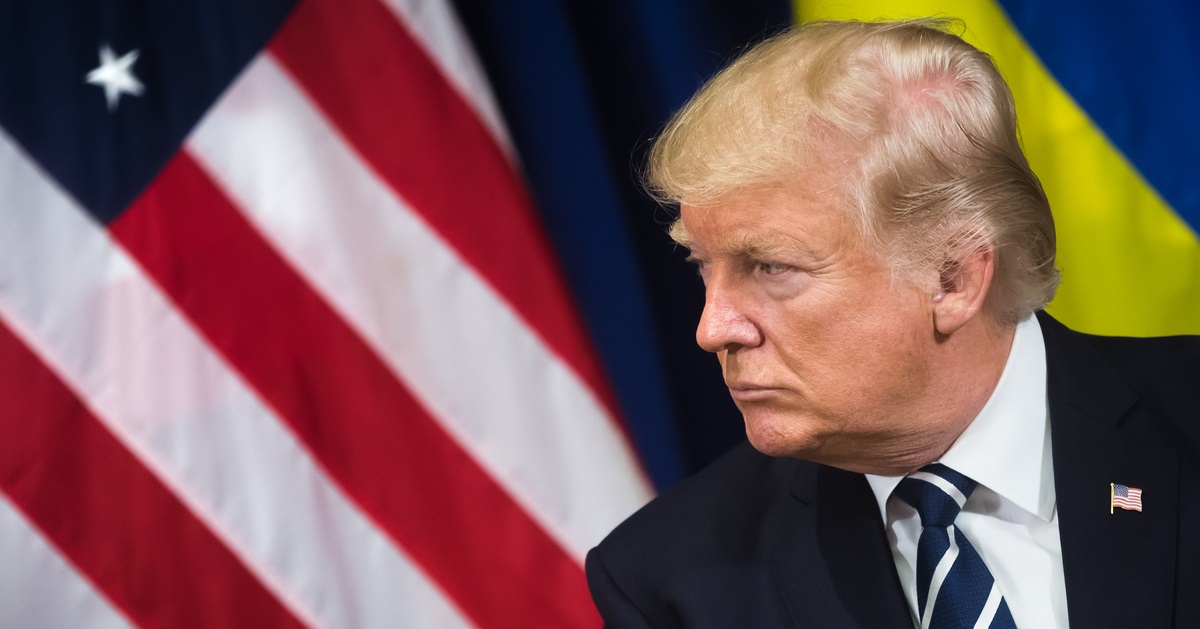
Could a $2,000 check be heading to American households by year’s end, courtesy of tariff income? That’s the latest proposal from President Donald Trump, stirring both hope and skepticism.
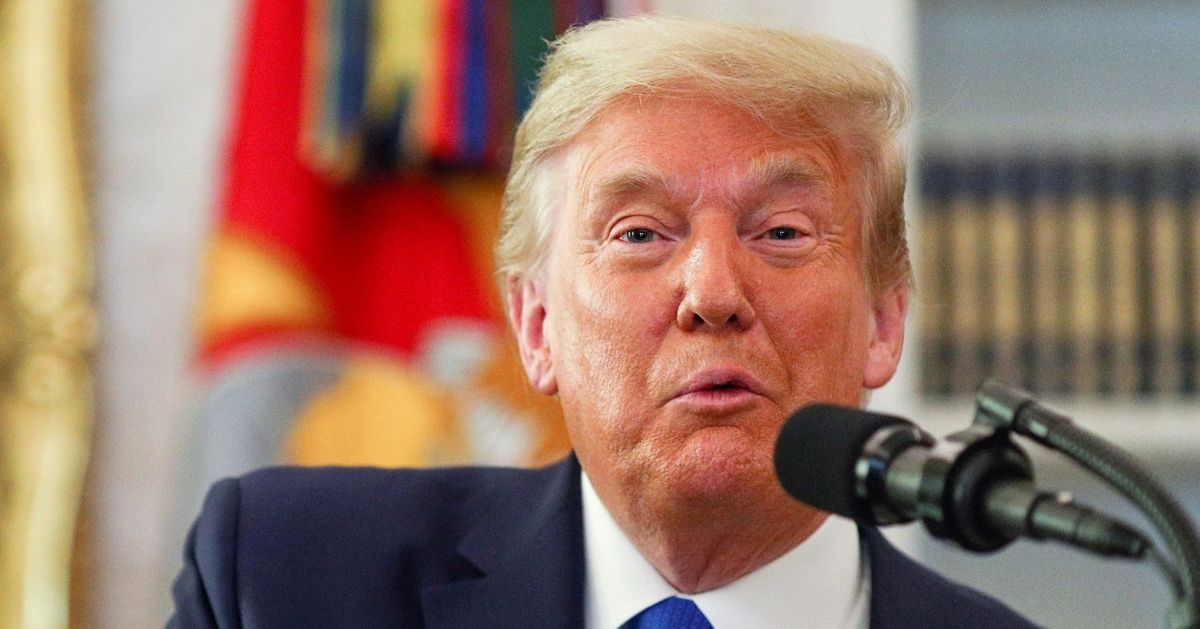
Trump, in an interview with the New York Times, outlined a plan to distribute $2,000 dividend checks funded by tariff revenue, suggesting they could be available toward the end of the year. He claimed the funds could be issued without congressional approval, a stance that contrasts with prior comments from White House economic adviser Kevin Hassett, who indicated Congress would need to sign off. Treasury Secretary Scott Bessent, speaking to Reuters, noted the U.S. Treasury has $774 billion available, potentially enough to cover related refunds depending on income limits.
The issue has sparked debate over both feasibility and legality. Many question whether bypassing Congress is practical, while others wonder if the tariff funds themselves will hold up under scrutiny. The Supreme Court has yet to rule on the constitutionality of these tariffs, and a negative decision could force billions in refunds to U.S. businesses and citizens.
Trump seems unshakably confident in the tariff strategy, touting massive gains for the nation, as WKRC notes. “The tariffs have made us a fortune,” he declared in the Times interview. But is this windfall as secure as he suggests, especially with legal challenges looming?
That fortune might vanish if the courts deem the tariffs unlawful. Refunds could drain the Treasury, and Bessent’s $774 billion figure, while impressive, might not stretch as far as needed if eligibility or refund demands spike. The uncertainty leaves this plan on shaky ground.
Then there’s the question of funding beyond tariffs. Trump vaguely referenced “other sources” for the checks, without offering a shred of detail. This opacity fuels doubt about whether the administration has a solid backup plan.
Hassett’s earlier insistence on congressional approval clashes with Trump’s go-it-alone approach. If the White House pushes forward without lawmakers, expect a firestorm of legal and political pushback. The timeline for Congress to even address this remains frustratingly unclear.
Eligibility for the checks is another unsolved puzzle. No official criteria have been set, leaving Americans guessing who might qualify. This lack of clarity only deepens the sense that the proposal is more promise than policy.
Trump’s dismissal of legislative hurdles might thrill his base, but it risks overpromising. Bypassing Congress sounds decisive, yet it could backfire if the courts or fiscal reality intervene. Prudence, not just bravado, is needed here.
The Supreme Court’s pending decision on tariffs hangs like a dark cloud over this initiative. An adverse ruling would not only jeopardize the checks but also force the government to repay billions. That’s a gamble with high stakes for American taxpayers.
Bessent’s assurance of Treasury funds offers some comfort, but only if income limits align with refund needs. Without hard numbers or set rules, it’s tough to trust that the math will work out. Skeptics have every right to demand specifics.
Trump’s vision of tariff-funded dividends is undeniably bold, almost a middle finger to the bureaucratic slog of Washington. “So substantial,” he called the funds in the Times, painting a rosy picture of overflowing coffers. Yet, without transparency, that picture feels more like a sketch than a masterpiece.
The end-of-year timeline adds urgency, but also pressure. If delays or legal battles stall the checks, public frustration could boil over. Trump’s knack for big promises will be tested against cold, hard logistics.
This proposal taps into a real desire for direct relief, especially for families battered by economic uncertainty. Yet, it’s hard to ignore the red flags—legal risks, unclear funding, and congressional gridlock. Optimism must be tempered with a demand for details.
In the end, Trump’s $2,000 check idea is a lightning rod for both hope and critique. It challenges the status quo of endless red tape, but it’s not a done deal by any stretch. Americans deserve a plan that’s as airtight as it is ambitious, and right now, this one’s still a work in progress.