Minneapolis is ground zero for a major shift in federal immigration enforcement as body cameras become mandatory for officers on the front lines.
Homeland Security Secretary Kristi Noem announced on Monday that every federal immigration officer working in Minneapolis must now wear a body camera, effective immediately, following two fatal shootings involving anti-ICE agitators.
The policy comes after President Donald Trump appointed Tom Homan as the new “border czar,” replacing Border Patrol Commander Gregory Bovino. Noem stated the initiative will expand nationwide as funding permits, while President Trump, though seemingly unaware of the decision initially, expressed support for the measure.
According to the Daily Wire, the decision to equip officers with cameras is in response to a turbulent period in Minneapolis marked by deadly encounters. Just weeks ago, an ICE agent fatally shot Renee Good after she reportedly struck him with her car, an incident the officer recorded on his phone. Days before that, another fatal shooting claimed the life of Alex Pretti, escalating tensions in the city.
Footage from an earlier incident involving Pretti, published by The News Movement, shows him damaging a federal vehicle, spitting on an officer, and gesturing defiantly before being wrestled to the ground. Agents released him, though he reportedly suffered a broken rib and appeared to have a firearm in his waistband as he walked away.
Attorney Steve Schleicher, representing Pretti’s family, reviewed the footage and commented to the Minnesota Star Tribune on the events. “A week before Alex was gunned down in the street — despite posing no threat to anyone — he was violently assaulted by a group of ICE agents,” Schleicher said. His interpretation starkly contrasts with the urgency of the situation as described in official accounts.
Tom Homan’s arrival last week as head of immigration operations in Minneapolis signals a no-nonsense approach to enforcement. Under his command, agents are now focusing on targeted arrests, prioritizing what he calls “the worst criminals first.” This shift comes as a direct response to the chaos surrounding recent violent clashes.
Supporters contend that Homan’s leadership and the introduction of body cameras are long-overdue measures to restore order and accountability. The left often paints immigration enforcement as inherently oppressive, but these steps aim to cut through the noise of woke narratives with hard evidence of what’s really happening on the ground. Transparency isn’t just a buzzword here—it’s a tool to counter endless accusations.
Secretary Noem’s announcement, made via an X post on Monday, underlines a commitment to clarity in enforcement actions. “Effective immediately, we are deploying body cameras to every officer in the field in Minneapolis,” she declared. Her swift action, taken after discussions with Homan, Acting ICE Director Todd Lyons, and Customs and Border Protection Commissioner Rodney Scott, shows a unified front.
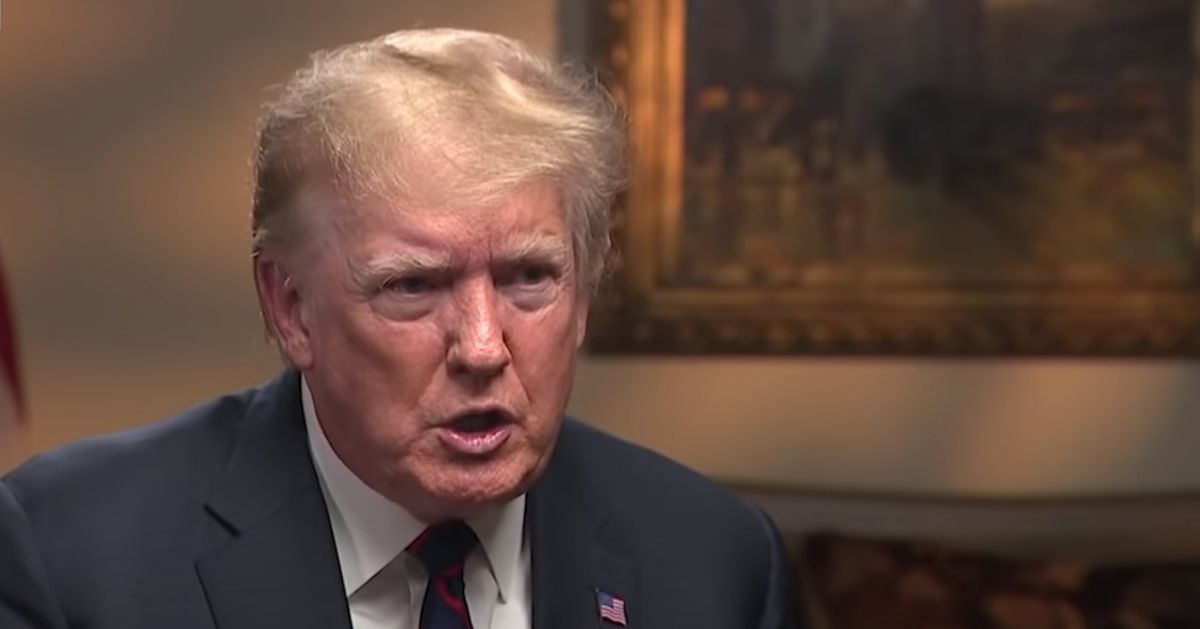
President Trump, when questioned by Daily Wire reporter Mary Margaret Olohan, admitted he wasn’t looped in on Noem’s decision beforehand. Yet, he didn’t hesitate to endorse it, saying, “If she wants to do the camera thing, that’s ok with me.” His trust in his team to handle operational details reflects a leadership style focused on results over micromanagement.
The body camera rollout isn’t just a local fix—it’s a potential game-changer for federal law enforcement nationwide. Noem’s pledge to expand the program as funding becomes available suggests a broader vision to equip DHS agents across the country. This could silence critics who thrive on unverified claims of misconduct.
In Minneapolis, the policy arrives at a critical juncture as Congress battles over funding for the Department of Homeland Security. The recent shootings have turned body cameras into a central issue, with lawmakers on both sides feeling the heat. Yet, for many on the right, this isn’t about politics—it’s about protecting agents and the public alike.
Expanding this initiative beyond Minneapolis will likely face hurdles, not least from budget constraints and bureaucratic red tape. Still, the determination to “rapidly acquire and deploy” cameras, as Noem put it, signals that the administration isn’t backing down from its promise to prioritize safety and accountability.
The tragic deaths of Renee Good and Alex Pretti have undeniably forced a reckoning in how immigration enforcement operates. But rather than caving to the outrage mob, the Trump administration is doubling down on practical solutions that protect both officers and communities. Body cameras aren’t a silver bullet, but they’re a step toward cutting through the fog of agenda-driven spin.
For too long, federal agents have been smeared as villains by those who’d rather dismantle borders than defend them. This policy, coupled with Homan’s targeted enforcement, could finally shift the narrative toward reality over rhetoric. It’s a chance to show that law and order isn’t a slogan—it’s a necessity.