Minneapolis is once again at the center of a storm over law enforcement use of force after a fatal shooting by an ICE agent last week.
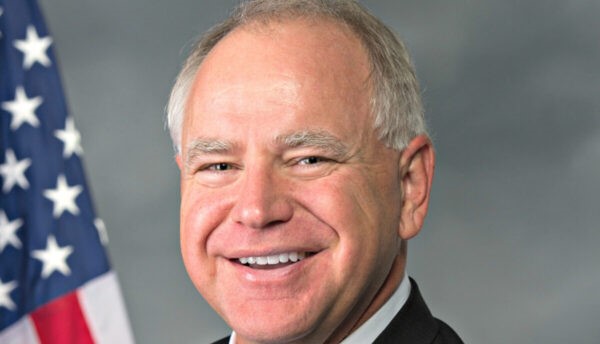
Minnesota Congresswoman Ilhan Omar has shifted her stance on the incident involving the death of 37-year-old Minneapolis resident Renee Nicole Good, who was killed by ICE agent Jonathan "Jon" Ross during a protest against the planned detention of Somali migrants.
The shooting occurred last Wednesday in Minneapolis, and additional footage released on Friday, including from Ross’s own phone, prompted Omar to acknowledge on Sunday’s CNN *Face The Nation* that Good’s SUV was moving at the time of the shooting. Federal officials claim the act was self-defense, while the city’s mayor called it “reckless.”
The incident has ignited fierce debate over law enforcement tactics and accountability, with opinions sharply divided on whether Ross acted appropriately under threat or overstepped with deadly force.
Omar initially argued, just four days before her Sunday CNN appearance, that the video showed no threat to Ross, asserting that no agent fell or was struck by the vehicle, the Daily Mail reported.
She doubled down then, calling out President Trump’s narrative that Ross acted in self-defense as misguided, given the footage available to the public. But by Sunday, after Ross’s phone video emerged showing the camera jerking as Good drove off, Omar admitted the SUV was in motion during the encounter.
This pivot raises questions about whether the full context was considered before her first remarks, especially as multiple angles of Good’s final moments now paint a more complex picture.
Videos from the scene show Good in her car, seemingly calm at first, even saying, “That’s fine, dude. I’m not mad.”
Yet tensions escalated as Ross, wearing a face covering, approached, tried to open her door, and gave orders to exit the vehicle—orders Good ignored, according to reports. Her wife, Rebecca Good, 40, can be heard confronting Ross, demanding he “show his face” during the heated exchange.
Good then revved her engine and drove off, a move the Trump administration ties to the protest context, while Ross’s camera jerked violently—though the cause of the movement remains unclear—and he fired three shots, one through the windshield, killing her.
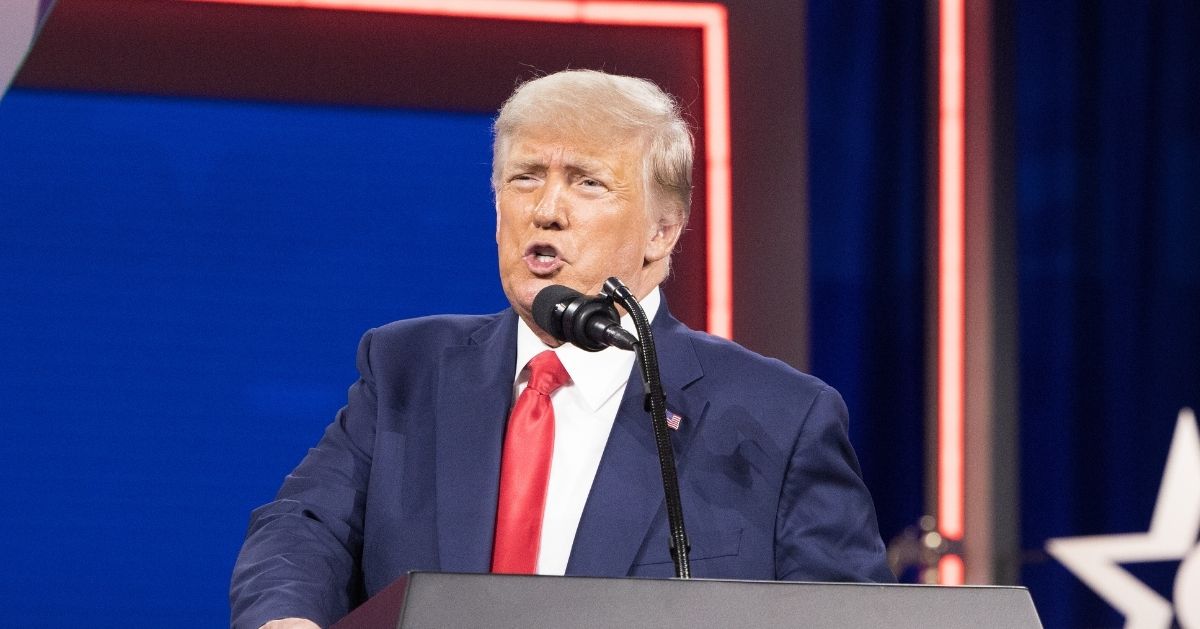
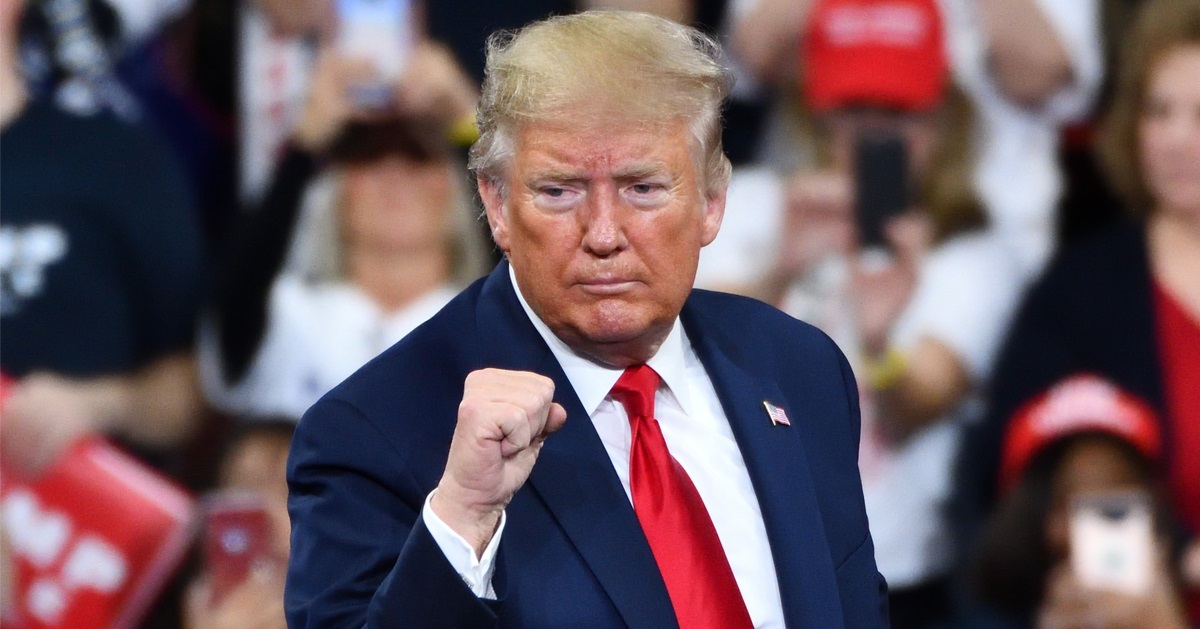
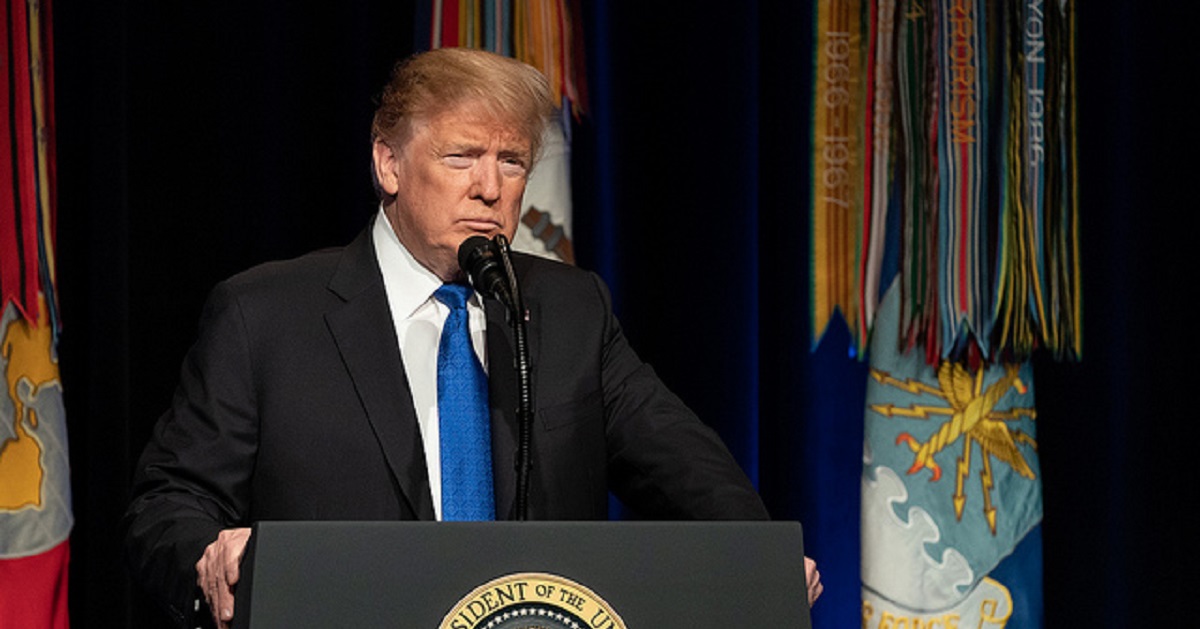
President Trump has staunchly defended Ross, insisting Good directly endangered the agent by driving at him, a far cry from merely attempting to flee. His blunt take—that she “ran him over” and behaved “horribly”—aligns with federal claims of self-defense but clashes with other eyewitness accounts and footage interpretations.
Omar, for her part, still critiques the agents’ actions, noting a trained officer should avoid positioning himself before a moving vehicle, a point that resonates with those questioning tactical decisions in the heat of the moment.
Minneapolis, still scarred from the murder of George Floyd over five years ago, finds itself reeling from yet another controversial law enforcement killing. The mayor’s condemnation of the shooting as “reckless” echoes a weary community’s frustration with repeated incidents of violence by authorities.
While protests over immigration policies—specifically the detention plans for Somali migrants—provide a backdrop, the core issue remains whether deadly force was justified or if de-escalation could have saved a life.
As investigations unfold, Omar has called for accountability, hoping clarity will emerge from the conflicting accounts and footage. Her shift in narrative, though, risks fueling skepticism about political posturing on both sides of this tragedy.
With a slain mother of three at the heart of this story, the nation watches Minneapolis once more, wondering if justice will bridge the divide or deepen the wounds of distrust in law enforcement.