Ever wonder how a former first lady’s wardrobe can spark a cultural debate?
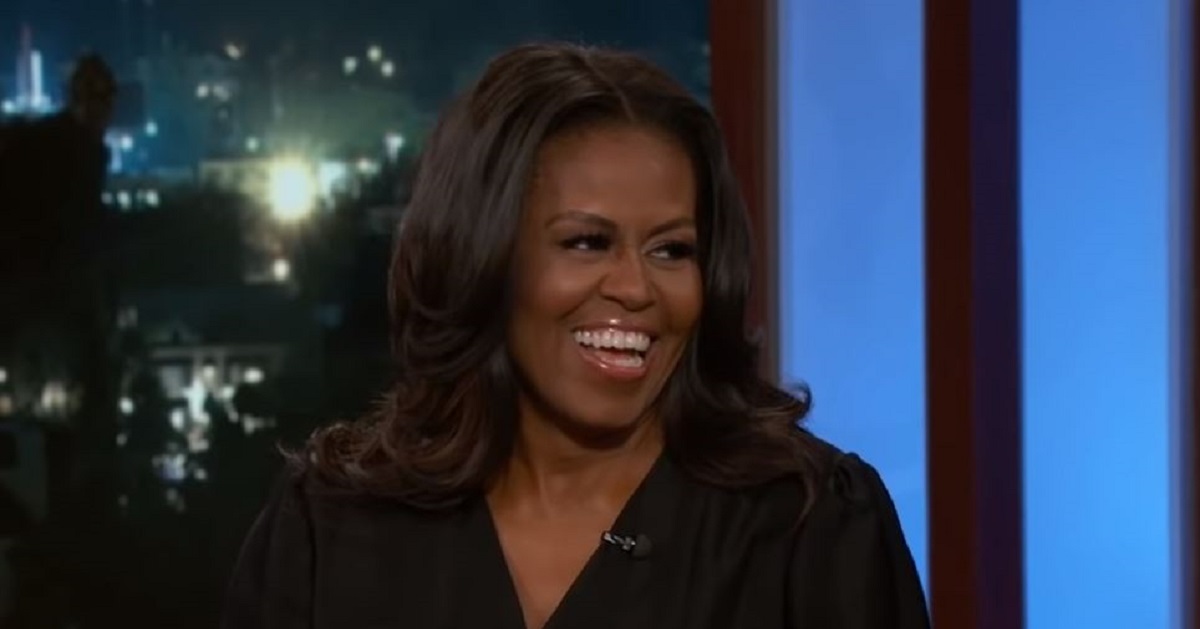
Former first lady Michelle Obama participated in a roundtable conversation released on Sunday, addressing how everyday women can uplift designers of color through their purchasing decisions.
She emphasized the importance of being intentional in fashion choices to boost the visibility of underrepresented creators. Her comments focused on using her platform to draw attention to these designers and encourage broader support through mindful spending.
The issue has sparked debate over whether personal shopping habits should be tied to social causes. While Obama’s intentions seem rooted in a desire to help, her approach raises questions about the broader implications of such selective purchasing, the Daily Caller reported.
Obama made it clear she prioritizes designers of color when possible. “If I hear of someone whose fashion that I like and I know that they’re a person of color, I try to make it a point, but the clothes have to be available,” she stated. But is this focus on identity over merit the right way to build a wardrobe?
Her logic seems well-meaning but narrow. If the goal is to support talent, why limit it to specific groups? A truly inclusive approach might look at skill and innovation, not just background.
Obama also urged people to reflect on who fills their closets. “You know, I think we could do some more to think about that balance in our wardrobes, you know, what does our closet look like and who’s in it?” she asked. Yet, this framing risks turning a personal choice into a moral mandate.
Shopping with a checklist of social criteria can feel forced. Should a dress be judged by its cut and fabric, or by the designer’s demographics? This perspective might alienate those who just want to buy what suits them.
During her time as first lady, Obama used her visibility to spotlight up-and-coming talent. She noted that wearing certain designs could transform a designer’s career, especially for young, Black, immigrant, or women creators. Her intent to provide opportunities is hard to fault.
Still, the question lingers: does this intentionality cross into bias? If supporting some means sidelining others, the fairness of the approach comes under scrutiny. Equal opportunity shouldn’t play favorites.
Obama suggested that affordability isn’t the issue for many. If someone can splurge on high-end brands like Chanel, they can diversify their purchases across a range of designers. This point about financial mindfulness is valid but feels like a lecture.
Critics might argue this standard should extend beyond fashion. Some commentary in the original discussion pushed for consistency, suggesting Obama apply similar logic to tech or food brands. This slippery slope shows how quickly personal choices can become politicized.
Her emphasis on reflecting national identity through clothing is intriguing. Obama believed her selections as first lady said something about the country’s diversity. Yet, tying fashion to patriotism can feel like an overreach.
The critique doesn’t stop at clothes. Some have questioned if this selective support ignores other industries, like swapping out popular tech for alternatives based on founders’ backgrounds. It’s a fair point—why stop at the closet?
Ultimately, Obama’s push for supporting underrepresented designers comes from a place of goodwill. But the risk is creating a new set of exclusions under the guise of inclusion. A balance must be struck where talent, not identity, drives decisions.