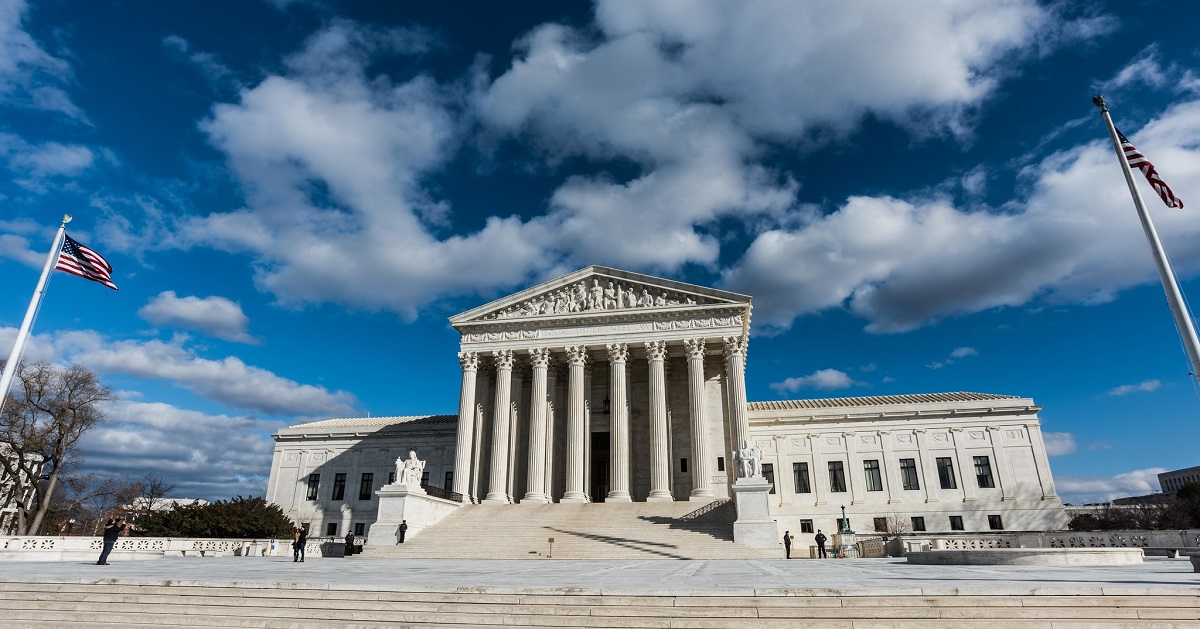
The prestigious performing arts venue in Washington, D.C., has been officially renamed The Donald J. Trump and The John F. Kennedy Memorial Center for the Performing Arts after a unanimous board vote, a decision that’s sparked both applause and outrage.
For taxpayers, this move raises serious questions about fiscal responsibility and oversight, especially given the Kennedy Center’s reliance on federal funding. The potential legal exposure from bypassing congressional approval, as critics argue is required, could lead to costly battles that ultimately burden the public. From a conservative standpoint, if procedural rules were skirted, no one should escape scrutiny—let’s get to the bottom of how this unfolded.
Earlier this year, legislative efforts were already stirring to honor President Trump with the center’s name. Rep. Bob Onder of Missouri proposed renaming the entire building as the “Trump Center for the Performing Arts,” while House Republicans pushed an amendment to name the opera house after First Lady Melania Trump, drawing sharp criticism from opponents.
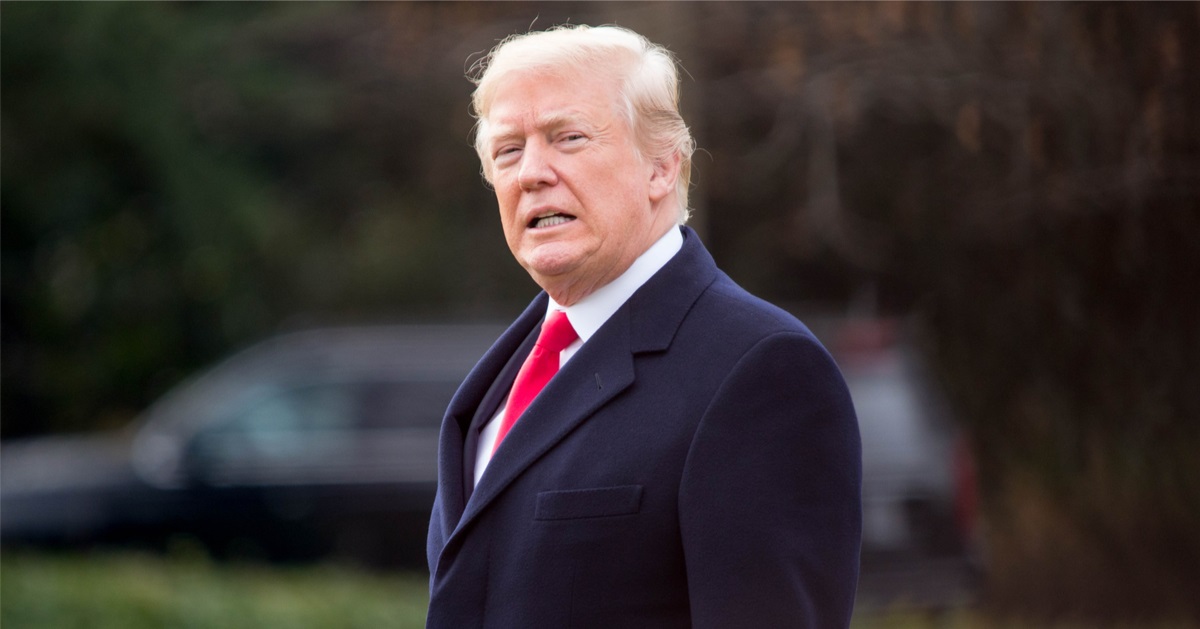
Fast forward to December, and President Trump himself hinted at a possible name change while hosting the Kennedy Center Honors. After taking the reins as chairman following a board shakeup—where he replaced several members and saw resignations in response—the stage was set for a dramatic shift.
The unanimous vote to rename the center came from the board, as announced by White House press secretary Karoline Leavitt and confirmed by Roma Daravi, the Kennedy Center’s vice president of public relations. Daravi emphasized the decision as a tribute to Trump’s role in rescuing the institution from financial and physical decline. It’s a nod to leadership, but let’s not pretend everyone’s singing in harmony over this.
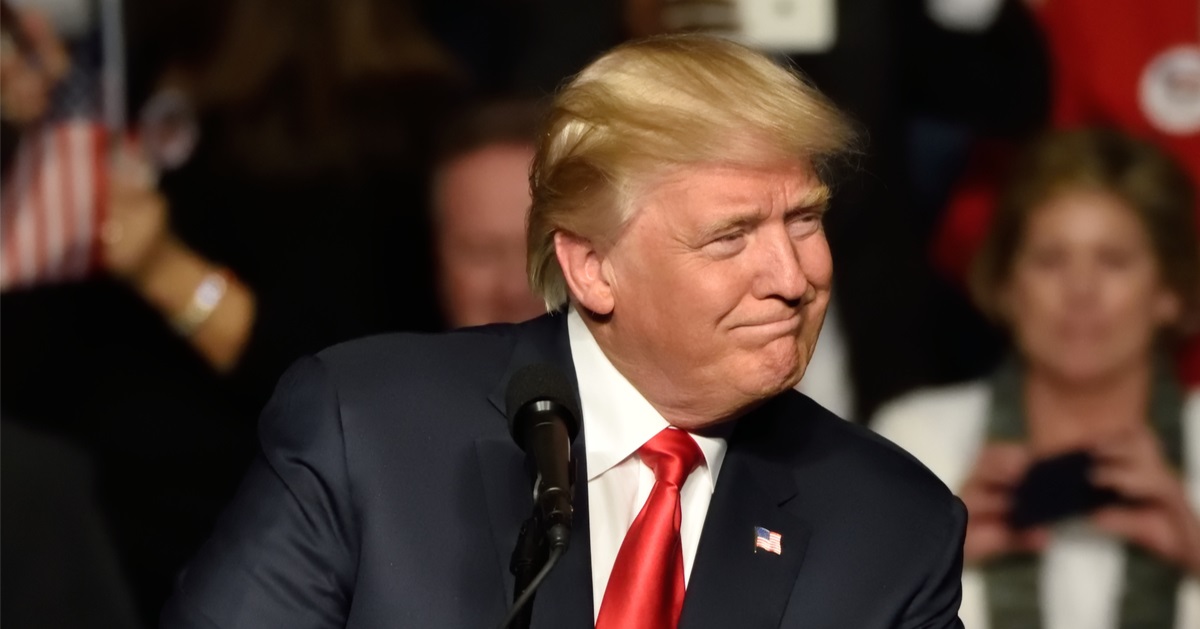
President Trump expressed surprise and gratitude for the honor, highlighting his efforts to stabilize the center. “We saved the building because it was in such bad shape, physically, financially, and in every other way, and now it’s very solid, very strong,” Trump said. While his supporters cheer this as a well-earned recognition, critics are sharpening their knives over the process.
Democrats and other detractors aren’t buying the “unanimous” claim, arguing that proper protocol was ignored. Rep. Joyce Beatty of Ohio, an ex officio board member, stated, “Participants were not allowed to voice their concerns.” If true, that’s a troubling sidestep of transparency—something no American, left or right, should tolerate in institutions tied to public funds.
Jack Schlossberg, grandson of John F. Kennedy, also disputed the vote’s legitimacy, claiming microphones were muted during the meeting. His frustration is palpable, and while some might dismiss it as family pride, conservatives should still demand clarity on whether voices were indeed silenced. Fairness isn’t just a progressive talking point; it’s a principle.
Critics insist that renaming the Kennedy Center requires congressional approval, not just a board vote. This legal gray area could drag the issue into a prolonged fight, potentially wasting resources better spent on the arts themselves. From a populist lens, why should ordinary folks foot the bill for political theater?
The decision has split opinions down predictable lines, with Trump’s base celebrating a leader who, in their view, turned the center around. Meanwhile, opponents see it as an overreach, a cultural landmark being co-opted without due process. It’s a classic clash of values versus procedure, and both sides have points worth wrestling with.
Let’s not forget the earlier Republican push to name the opera house after Melania Trump, which fueled accusations of partisanship. That proposal didn’t stick, but it shows how long this renaming idea has been simmering among conservative lawmakers. It’s less about vanity and more about signaling who’s driving cultural renewal—or so the argument goes.
The renamed Trump-Kennedy Center aims to blend two legacies, as Daravi put it, reflecting “bipartisan support for America’s cultural center for generations to come.” It’s a lofty goal, but only if the process behind it holds up under scrutiny.
For now, the debate rages on, with valid concerns about muted voices and legal authority lingering. Conservatives can champion Trump’s contributions without ignoring the need for accountability—after all, rules matter, even when the outcome feels right.
As this story develops, one thing is clear: the Trump-Kennedy Center name isn’t just a label; it’s a lightning rod. Whether it stands the test of time or unravels under legal challenges, Americans deserve a front-row seat to the full truth. Let’s keep the spotlight on transparency, not just symbolism.