Ali Khamenei, the 86-year-old supreme leader of Iran, was killed in an Israeli strike Saturday as part of a massive joint military operation between the United States and Israel. Iranian state media confirmed his death, and the Iranian government announced 40 days of public mourning, declaring his death a "martyrdom."
The strike also killed seven senior defense and intelligence officials, part of a broader operation targeting 30 top military and civilian leaders overall. Israel says its opening strikes decimated the chain of command.
The man who spent 35 years consolidating near-total control over the Iranian state, who held authority over the judiciary, state media, and all security forces, including the Islamic Revolutionary Guard Corps, is gone.
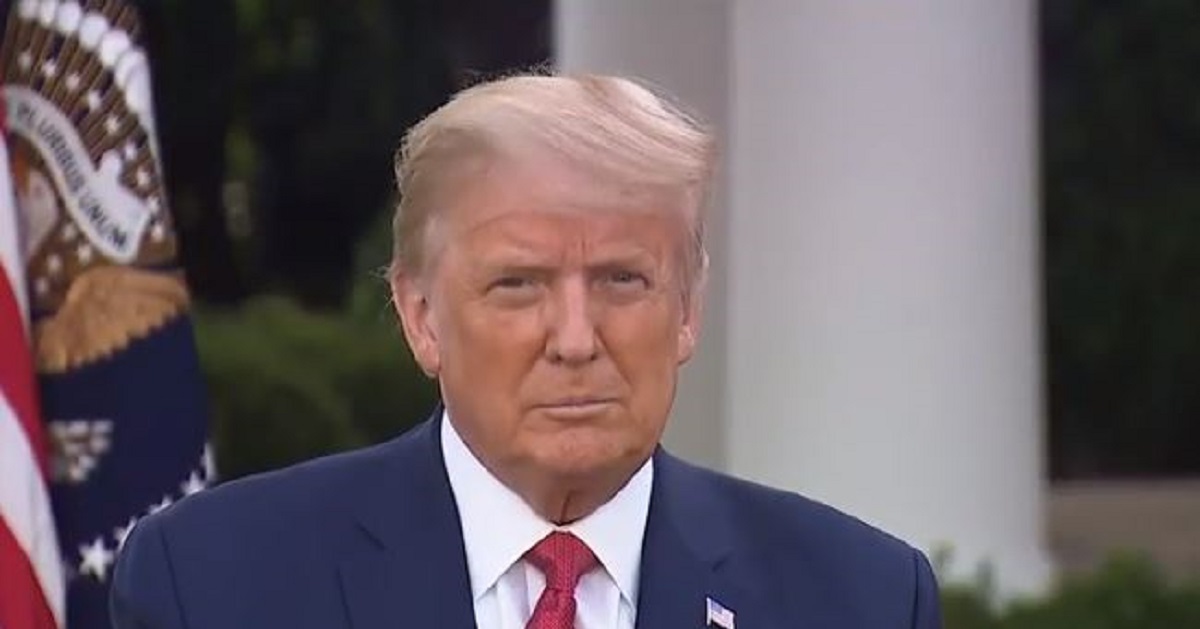
President Trump celebrated Khamenei's death in a post on Truth Social, calling him "one of the most evil people in History" and declaring that his killing represented "justice." He appeared to confirm that U.S. intelligence played a direct role in tracking and targeting Khamenei:
"was unable to avoid our Intelligence and Highly Sophisticated Tracking Systems"
Trump warned that bombing would "continue, uninterrupted throughout the week or as long as necessary," and laid out a vision for what comes after. In an overnight video address, he called for the Iranian people to remain in their homes during the bombing campaign but rise and "take over your government" when it concludes. The stated goal: "peace throughout the Middle East and, indeed, the world."
Trump also claimed that Iranian security forces and IRGC members were already seeking immunity, and urged them to "peacefully merge with the Iranian Patriots." That framing matters. This is not just a military strike. It is an invitation to the Iranian people to finish what the bombs started, as Axios reports.
The scale of the decapitation is staggering. Those confirmed killed include:
That is not a leadership reshuffle. That is the elimination of the infrastructure that kept the regime standing. The military. The intelligence apparatus. The nuclear program's brain trust. All in a single operation.
One senior official who survived is Ali Larijani, secretary of Iran's supreme national security council and former parliament speaker. Larijani, one of Khamenei's closest confidants, has emerged as the most senior civilian official still standing. In a post on X Saturday, he vowed Iran would deliver Israel and the U.S. an "unforgettable lesson."
That's the kind of statement a regime makes when it has nothing else to offer its people. Larijani can promise revenge, but the men who would carry it out are dead.
Mojtaba Khamenei, one of the supreme leader's sons, had been widely discussed as a possible successor. Israeli officials said Israel targeted Khamenei's sons, though intelligence assessments suggest they survived the strikes. Under Iran's constitution, an interim council assumes power while the Assembly of Experts, a body of 88 Islamic clerics, selects a new supreme leader.
The question isn't whether the constitutional process will be followed. It's whether there is a functioning state left to follow it.
Reza Pahlavi, Iran's exiled former crown prince and a leading opposition leader who has organized mass protests against the regime, also called for the Iranian people to take to the streets. He directed a pointed message at Iran's remaining security forces:
"Join the nation and help ensure a stable and secure transition. Otherwise, you will sink with Khamenei's ship and his crumbling regime."
Both Trump and Israeli Prime Minister Benjamin Netanyahu have called for what amounts to a popular opening. Whether the Iranian people seize it depends on what happens in the coming days and whether the regime's remaining enforcers decide their loyalty is worth dying for.
Khamenei took power in 1989 following the death of revolutionary founder Ayatollah Ruhollah Khomeini. He had ruled Iran for over 36 years. In that time, he consolidated near-total control over every lever of the Iranian state. Thousands of protesters were killed under his watch. He built a network of proxy forces that destabilized the entire Middle East, funded terrorism, and pursued nuclear weapons.
The regime he built was designed to survive any one strike, any one assassination, any one wave of protests. It was not designed to survive all of them at once.
Saturday, that design was tested. It failed.