Hold onto your hats, folks—Indiana House Republicans are charging full steam ahead with a bold plan to redraw the state’s congressional districts in a way that could lock in a serious advantage for the GOP.
At the heart of this brewing political storm, the Indiana House has rolled out a draft map that heavily favors Republicans across all nine districts, potentially netting them two more U.S. House seats while facing pushback from within their own party in the state Senate.
This redistricting effort kicked off with a draft map released on Monday, designed to reshape the political landscape ahead of the upcoming midterm elections.
The proposed map takes direct aim at Democratic strongholds, particularly by carving up the Indianapolis-based district of Rep. André Carson into four segments that stretch into rural, Republican-friendly territory.
Similarly, the northwest Indiana district of Rep. Frank Mrvan gets splintered into several GOP-leaning areas, a move that could make his reelection bid a steep uphill climb.
Let’s not mince words—this map isn’t just a tweak; it’s a calculated play to dilute Democratic influence in a state where the GOP already holds significant power.
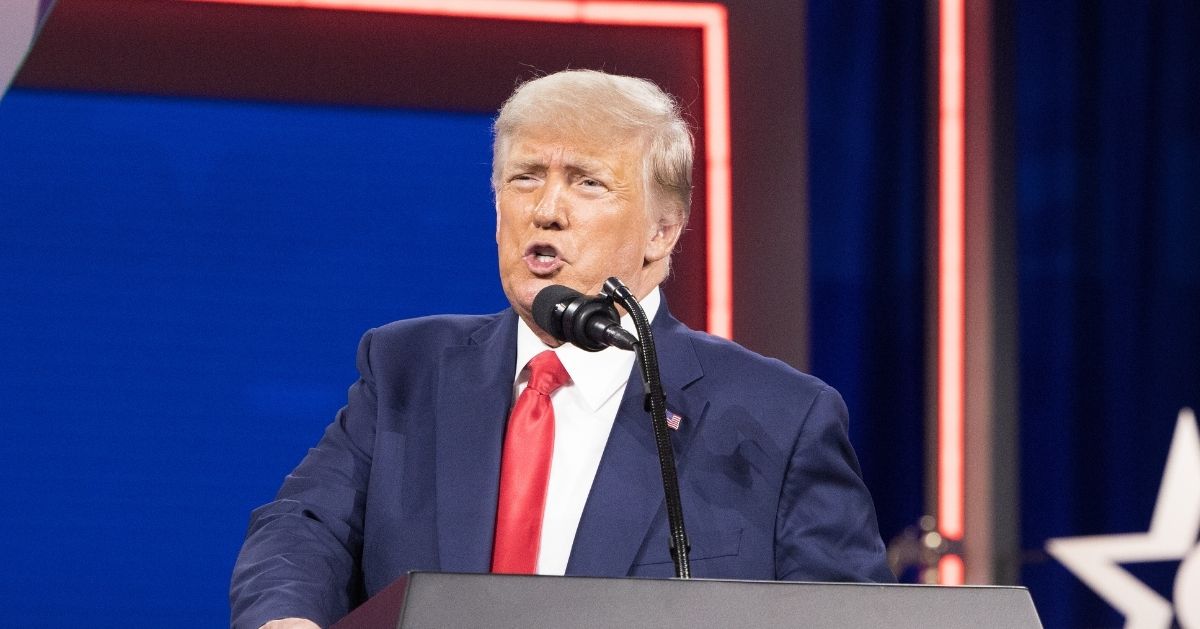
Adding fuel to the fire, both President Donald Trump and Indiana Gov. Mike Braun have thrown their weight behind this mid-decade redistricting effort, urging swift action to secure a stronger Republican grip on Congress.
Trump didn’t hold back, declaring on Nov. 17, “We must keep the Majority at all costs,” in a pointed message to Indiana lawmakers who might dare to dissent (Trump, Nov. 17 post).
That’s classic Trump—blunt and unapologetic—but it’s hard to ignore the pressure this puts on state legislators to toe the party line, even if the timing feels a bit rushed to some.
Yet, not all Republicans are on board, as Senate President Pro Tem Rodric Bray has publicly questioned the wisdom of a mid-decade redraw, hinting at a possible roadblock in the Senate despite the GOP’s commanding 40-50 majority.
Bray has warned, “the effort could die in his chamber,” a statement that underscores a rare fracture within Republican ranks on an issue this consequential (Senate President Pro Tem Rodric Bray).
That kind of pushback is a reminder that even in red states, not every conservative is eager to redraw lines just because the opportunity presents itself.
Meanwhile, outside the legislative chambers, Turning Point Action, tied to Turning Point USA, is ramping up the heat with a rally planned for Friday to nudge the state Senate into approving the map.
On the flip side, if this plan does pass, Indiana would join a handful of other Republican-leaning states like Texas and North Carolina in redrawing maps mid-decade, all of which have faced legal scrutiny—hinting at potential courtroom battles ahead.
Throw in the fact that Democrats might gain ground through redistricting in states like California and Utah, and it’s clear this isn’t just an Indiana fight—it’s part of a broader national chess game where every move counts.