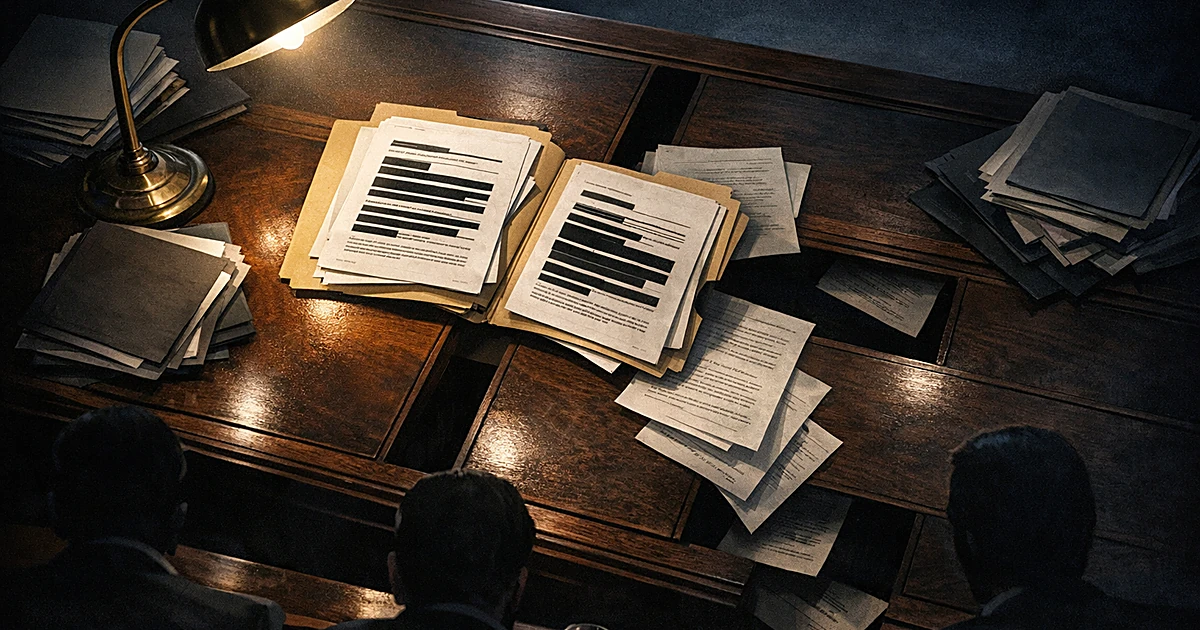
War Secretary Pete Hegseth ordered Army Secretary Dan Driscoll to remove Col. Dave Butler, a senior Army public affairs officer and strategic adviser who previously served under former Joint Chiefs Chairman Mark Milley. Rather than fight the directive, Butler submitted his retirement paperwork, ending a months-long standoff that had frozen promotions for roughly three dozen Army officers.
Butler's name had sat on a promotion list for brigadier general for nearly four months. Hegseth took issue with the planned promotion for reasons that have not been made public. But the delay wasn't just about one colonel. His presence on the list held up every other name on it.
According to Fox News, citing military officials, Butler volunteered to have his name removed from the promotion list if it would help unlock the other promotions. He chose retirement over becoming the bottleneck.
The move didn't come without internal friction. Driscoll reportedly resisted pressure to remove Butler for months, pointing to the colonel's role in Army modernization efforts and his experience managing high-profile events, including the Army's 250th birthday celebrations and a major military parade in Washington, Newsmax reported.
When Butler finally departed, Driscoll's statement was conspicuously warm and conspicuously vague about the circumstances:
"We greatly appreciate Col. Dave Butler's lifetime of service in America's Army and to our nation. Dave has been an integral part of the Army's transformation efforts."
Not a word about why he was pushed out. That silence tells its own story. Driscoll clearly valued Butler's work. He also clearly received an order he couldn't refuse.
Butler's most prominent prior assignment was serving under Mark Milley, who has become one of the most scrutinized military figures of the Trump era. Hegseth has already taken several administrative actions against the former Joint Chiefs chairman:
The scrutiny of Milley from Trump allies dates back to the president's first term, and Hegseth has not been shy about continuing it. Whether Butler's proximity to Milley was the driving factor in Hegseth's decision remains unconfirmed. The source material doesn't draw a direct line, and Hegseth hasn't said so publicly. But the pattern is hard to miss.
Personnel is policy. That was true when the Obama administration embedded loyalists across the federal bureaucracy, and it's true now that the current administration is uprooting them. If proximity to Milley is enough to draw scrutiny, that sends a signal through the ranks about which era of Pentagon leadership the current team intends to leave behind.
Butler's departure is one piece of a larger effort by Hegseth to reshape Pentagon leadership. He reportedly has concerns about several other officers selected by the Army board for promotion, though he reportedly cannot legally remove them from the promotion list.
That legal limitation is worth noting. It means the tools available to civilian leadership for reshaping the officer corps are blunter than many assume. You can create pressure. You can delay. You can make the environment uncomfortable enough that someone chooses to leave on their own. But you can't simply strike names from a list that a military promotion board assembled through its own statutory process.
Butler's retirement looks, by all accounts, like a voluntary decision made under involuntary circumstances. He saw the writing on the wall and chose to clear the path for his colleagues rather than let their careers stall alongside his. Whatever you think of the politics, that's a soldier's instinct: take the hit so the unit can move.
The broader question isn't whether one colonel deserved a star. It's whether the military's senior ranks can be realigned with civilian leadership's priorities without breaking the promotion system that produces them. Hegseth is clearly testing those boundaries.
For years, conservatives have argued that the Pentagon's leadership class drifted from its core mission, prioritizing political considerations over warfighting readiness. Hegseth's moves, from the Milley actions to Butler's removal to the scrutiny of other promotion candidates, represent an attempt to correct that drift through the levers actually available to a War Secretary.
Roughly three dozen officers waited nearly four months for their careers to move forward. Now, with Butler's name off the list, that logjam should break. The promotions can proceed. The Pentagon's transformation continues, one personnel decision at a time.