Could a new credit card with a capped interest rate be the key to easing financial burdens for everyday Americans?
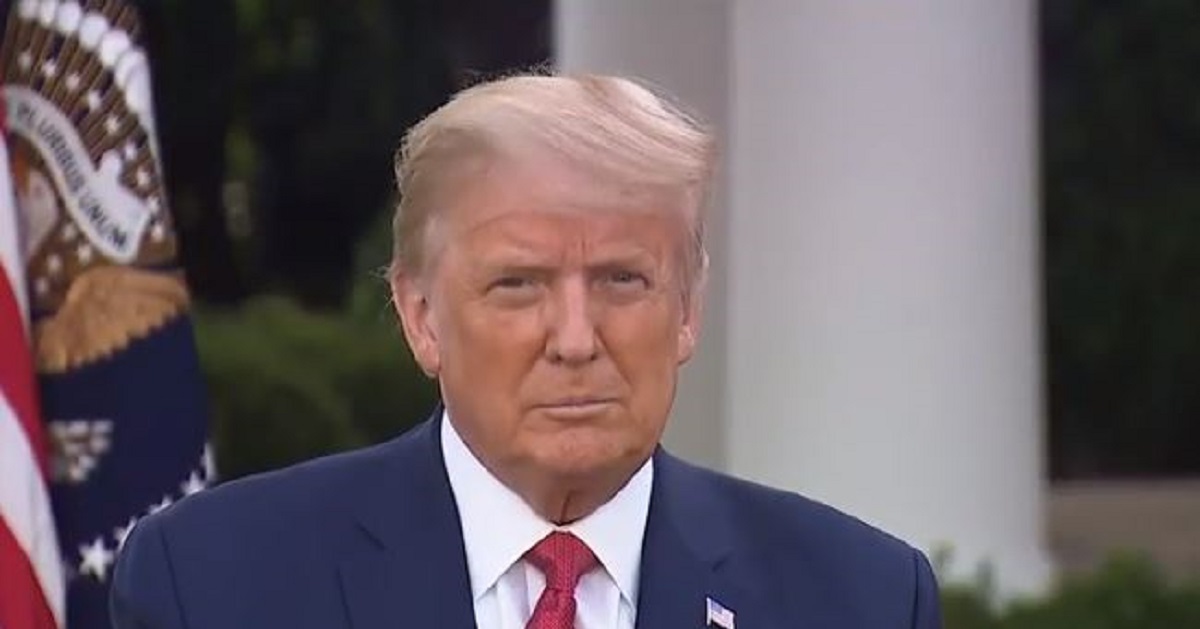
On Friday, White House National Economic Council Director Kevin Hassett revealed that the Trump administration is engaging with major banks to voluntarily introduce credit cards with a 10% interest cap.
This proposal aligns with President Donald Trump’s recent push for a one-year limit on credit card interest rates at the same level. The initiative is part of a larger affordability agenda that the president plans to highlight at next week’s World Economic Forum in Switzerland.
Hassett, speaking on Fox Business, dubbed these potential offerings as “Trump cards.” He emphasized targeting consumers in an economic “sweet spot”—those with steady incomes but limited access to favorable credit terms.
This focus suggests a practical approach, aiming to help a specific group often overlooked by traditional lenders.
Yet, not everyone is on board with the broader concept of a rate cap. The Bankers Association of America has cautioned that a mandatory 10% limit could backfire, calling it “one surefire way to make life less affordable for Americans.” Their concern hints at potential unintended consequences, like reduced credit availability for riskier borrowers.
President Trump has been firm, warning that companies not complying with the 10% cap by Jan. 20 would be “in violation of the law.” This hardline stance raises questions about enforcement, especially since the legal pathway for such a regulation remains murky.
Without a clear statute forcing banks to lower rates, the voluntary nature of the “Trump cards” might be the only realistic option.
Some lawmakers have floated bills to lock in the 10% cap through legislation, but progress is uncertain. For now, the administration seems to prefer collaboration over coercion with major financial institutions. It’s a pragmatic tack, though skeptics might argue it lacks teeth.
Beyond credit cards, the affordability agenda is sweeping in scope. Hassett also mentioned exploring ways for savers to tap into retirement funds like 401(k)s and 529 plans for home down payments. This could offer a lifeline to aspiring homeowners, though it risks depleting nest eggs if not handled carefully.
Trump’s directives don’t stop there—he’s instructed Fannie Mae and Freddie Mac to buy $200 billion in mortgage-backed securities to drive down borrowing costs. This move aims to make homeownership more attainable amid tight markets. It’s a bold play, though critics might question the long-term impact on federal balance sheets.
Healthcare is another pillar of this agenda, with Trump unveiling his “Great Healthcare Plan” earlier this week.
The framework seeks to cut prescription drug prices by 80% to 90% and redirect funds to consumers for insurance purchases instead of subsidizing companies. It’s a direct challenge to entrenched interests, though implementation will likely face fierce pushback.
Then there’s the proposed $2,000 “tariff rebate” check for low- and middle-income households, funded by import duties. This could put cash back in pockets strained by global trade policies. Yet, some worry it’s a short-term fix for deeper structural issues.