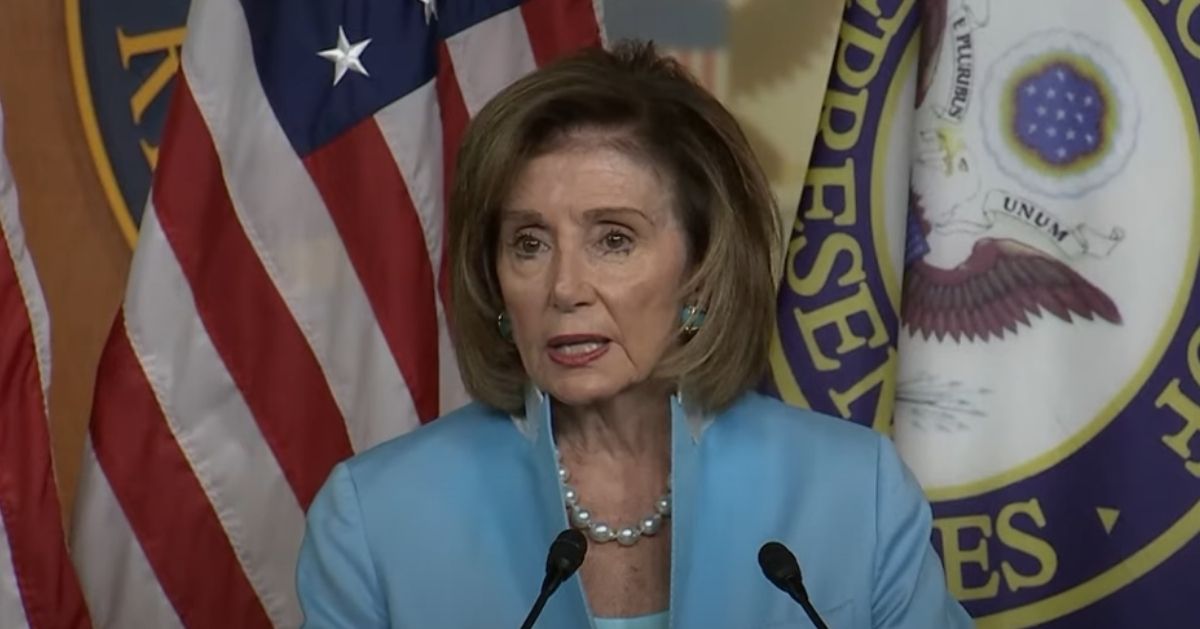
Marie Hurabiell, a San Francisco nonprofit executive and former Trump appointee, announced this week that she is running for the congressional seat held for nearly four decades by Nancy Pelosi. The move instantly complicates what was already shaping up to be a crowded Democratic contest in one of the bluest districts in America.
The Washington Examiner reported that Hurabiell, who leads the advocacy group ConnectedSF, framed her candidacy around pragmatism rather than ideology. In a post on X dated February 25, she laid out her pitch:
"I didn't plan to run for office this year — but San Francisco doesn't need more ideological extremes. We need results and reform."
"I'm running to bring pragmatic, common-sense Democratic leadership to Washington — focused on safety, innovation, and affordability. I've stood up to failed policies before. I'll do it again."
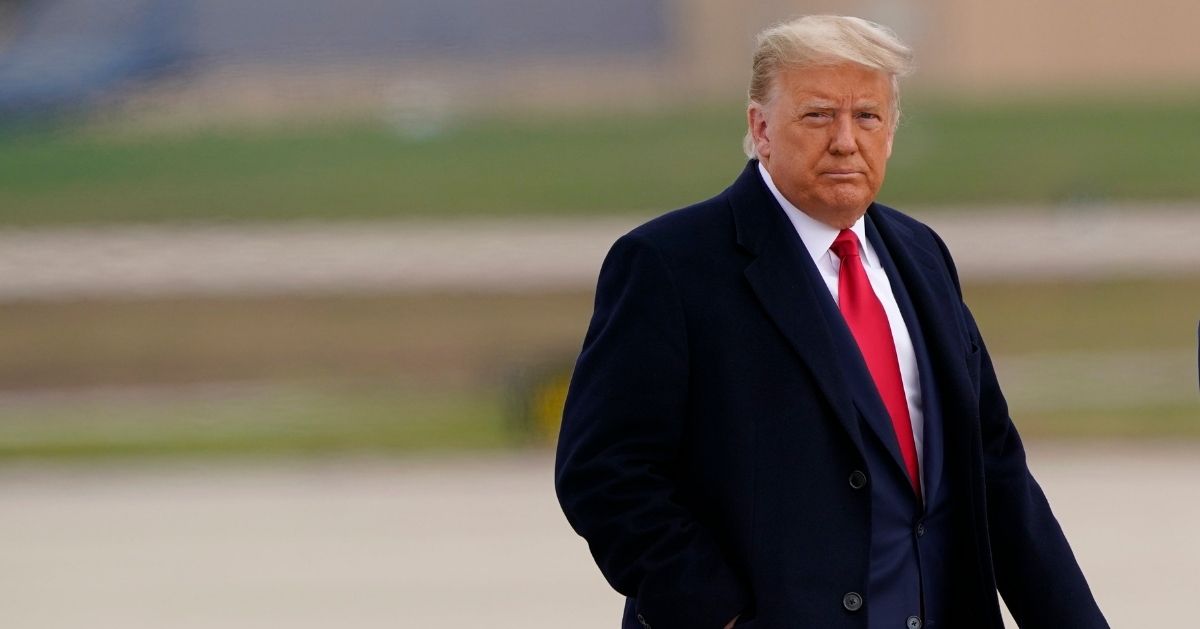
There's a detail her opponents will make sure voters don't miss: Hurabiell was appointed by President Donald Trump to the Presidio Trust Board of Directors. She was also a former member of the Georgetown University Board of Regents. And until 2022, she was a registered Republican.
Hurabiell switched her party affiliation from Republican to Democrat in 2022. That kind of conversion typically earns you suspicion from both sides, and Hurabiell's case is no exception. She has a paper trail that will thrill conservatives and terrify San Francisco's progressive establishment in equal measure.
Prior posts on X include the blunt declaration that "Trans women are NOT women" and a comparison of critical race theory to tactics "used by Hitler and the KKK." Those comments led to a protest outside the ConnectedSF gala in 2025.
None of this is the profile of someone who drifts quietly into a Democratic primary. Hurabiell is walking into the progressive lion's den with receipts that would get most San Francisco Democrats excommunicated from polite society.
Whether that's courageous or politically suicidal depends on how much the city has actually changed beneath its progressive veneer.
And there are signs it has changed. Through ConnectedSF, Hurabiell has worked on civic engagement and local policy advocacy. The group was an early endorser of San Francisco Democratic mayor Daniel Lurie, who returned the favor and has frequently appeared at Hurabiell's events, including a gala where he was the featured speaker.
That relationship suggests Hurabiell's brand of reform-minded politics has found real purchase among city leaders, even if they'd rather not discuss her old tweets at dinner parties.
Hurabiell faces two significant Democratic challengers who mounted their campaigns this year, and neither will make this easy.
Saikat Chakrabarti, a former tech executive who served as chief of staff to Rep. Alexandria Ocasio-Cortez, drew more than 700 people to a rally in San Francisco's Mission District when he launched his campaign. He has invested more than $700,000 of his own money into the race.
Chakrabarti is running on the premise that the Democratic establishment is exhausted:
"Democrats are craving a generational change and need a new kind of leader who is not a part of the establishment, because the establishment has failed us."
Then there is state Sen. Scott Wiener, a Harvard-educated attorney who chairs the state Senate Budget Committee. Wiener is known around Sacramento for championing LGBT rights, combating climate change, and pushing for fair housing.
He also made headlines for pushing back on Trump's recommendation to send National Guard troops to San Francisco.
So the field offers voters a clear menu:
Only in San Francisco would all three of these people be competing in the same primary.
The real story here isn't whether Hurabiell wins. It's what her candidacy says about the state of progressive politics in its own heartland. Pelosi's departure leaves a seat shaped by nearly four decades of Democratic power and national influence. The scramble to fill it is exposing fault lines the party would rather keep hidden.
Chakrabarti thinks the establishment has failed. Wiener is the establishment. And Hurabiell is betting that enough San Francisco Democrats are tired of both factions to rally behind someone who called out failed policies when it was unpopular to do so, even if she did it from the other side of the aisle.
Hurabiell has lost two bids for a seat on the City College of San Francisco board of trustees, so the electoral track record isn't exactly encouraging. But this is a different race in a different moment.
San Francisco spent years watching its streets deteriorate, its schools falter, and its businesses flee while its leaders competed to see who could be the most progressive. Voters elected Lurie on a reform platform. The appetite for something different is real.
Whether that appetite extends to a woman who was posting conservative critiques of gender ideology and critical race theory just a few years ago is the open question. Hurabiell is gambling that results matter more than orthodoxy. In most of America, that's not a gamble at all. In San Francisco, it's a high-wire act without a net.
The primary will tell us exactly how far the city's political correctness has traveled.