New York just scored a win for a policy that’s got conservatives raising eyebrows and asking hard questions about border security.
A federal judge has ruled in favor of New York’s Green Light Law, a measure allowing driver’s licenses to be issued without proof of legal residency, dismissing challenges from the Trump administration that claimed it undermined federal authority.
Back in 2019, New York rolled out the Green Light Law, officially dubbed the Driver’s License Access and Privacy Act, aiming to boost road safety by licensing individuals who previously drove without proper credentials. The policy lets applicants use alternative IDs like foreign passports if they lack a Social Security number. They still need to pass a road test and get a permit for a standard license, though commercial licenses are excluded.
Supporters argue it helps folks get insurance and drive legally, but critics on the conservative side see it as a backdoor to normalizing unauthorized presence in the country. New York isn’t alone—about a dozen states have similar rules. Still, the question lingers: does this prioritize state autonomy over national security?
In February, the Justice Department targeted Governor Kathy Hochul and Attorney General Letitia James with a lawsuit, calling the law a direct attack on federal immigration enforcement. They argued it hampers their ability to access state driver data, crucial for their agenda. A specific sticking point was a provision notifying individuals of federal requests for their info—a move seen as tipping off potential targets.
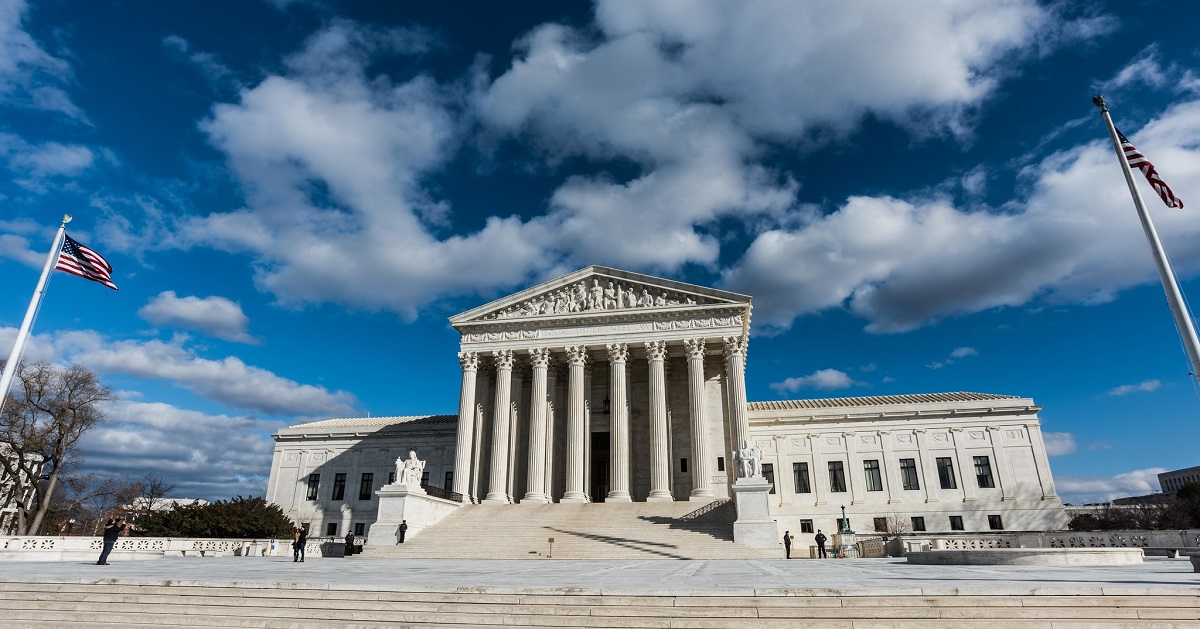
US District Judge Anne M. Nardacci didn’t buy the Justice Department’s argument, ruling on Tuesday that they failed to prove the law violated the Constitution’s Supremacy Clause. She emphasized her job wasn’t to debate the policy’s merits but to check if it overstepped federal bounds. Spoiler: she found no such overreach.
“The administration has failed to state such a claim,” Judge Nardacci wrote, shutting down the notion that New York’s law discriminates against federal authority. With all due respect to the judge, conservatives might argue this sidesteps the bigger issue—how state policies can frustrate national efforts to enforce borders. It’s a polite dodge of a messy problem.
The ruling also pointed out that federal immigration authorities can still access driver data with a court order or warrant. That’s a small comfort, but it doesn’t erase the hassle or the perception that New York is playing hardball with federal priorities.
State Attorney General Letitia James celebrated the decision, stating, “As I said from the start, our laws protect the rights of all New Yorkers and keep our communities safe.” That’s a noble sentiment, but many conservatives wonder if “all New Yorkers” includes those who bypassed legal entry, potentially at the expense of citizens’ safety. It’s a feel-good line that doesn’t quite address the core tension.
On the other side, Hector Garza, vice president of the National Border Patrol Council, voiced frustration to Fox News Digital, saying, “Any information that can help law enforcement stay safe as they conduct their duties has pretty much been taken away with this Green Light Law.” His point cuts deep—without easy access to registration data, officers face higher risks during traffic stops. That’s not abstract; it’s a real-world hazard for those protecting our borders.
Garza’s concern isn’t just rhetoric; it’s about practical safety for law enforcement who rely on vehicle checks to spot threats before they escalate. For conservatives, this law feels like a progressive overreach that ties one hand behind the backs of those enforcing the law.
The Green Light Law’s journey hasn’t been without controversy, especially after a tragic Vermont shootout in January left a US Customs and Border Protection agent dead following a traffic stop near the Canadian border. While not directly tied to New York’s policy, it amplified scrutiny on how state licensing rules intersect with federal enforcement. It’s a grim reminder of the stakes at play.
For many on the right, this ruling isn’t just about driver’s licenses—it’s about states thumbing their noses at federal oversight on immigration, a core conservative concern. Judge Nardacci may have settled the legal question for now, but the debate over balancing state rights with national security isn’t going away. If anything, it’s a call for tougher oversight and accountability, not complacency.