The BBC is urging a Florida court to throw out President Trump's multi-billion dollar defamation lawsuit over a deceptively edited Panorama episode, arguing the court has no jurisdiction because the program never aired in the United States.
The British broadcaster's legal challenge rests on a simple geographic claim: the episode in question ran only on UK television channels and the BBC's UK streaming service, iPlayer. It was never distributed on American soil.
A BBC spokesperson put it plainly:
"It wasn't available to watch in the US on iPlayer, online or any other streaming platforms."
The BBC has therefore challenged the personal jurisdiction of the Florida court where Trump filed the suit.
Here's the critical backdrop that the BBC's jurisdictional maneuvering cannot erase: the corporation has already apologized to President Trump over the Panorama edit. It acknowledged the problem. It just refused to pay for it.
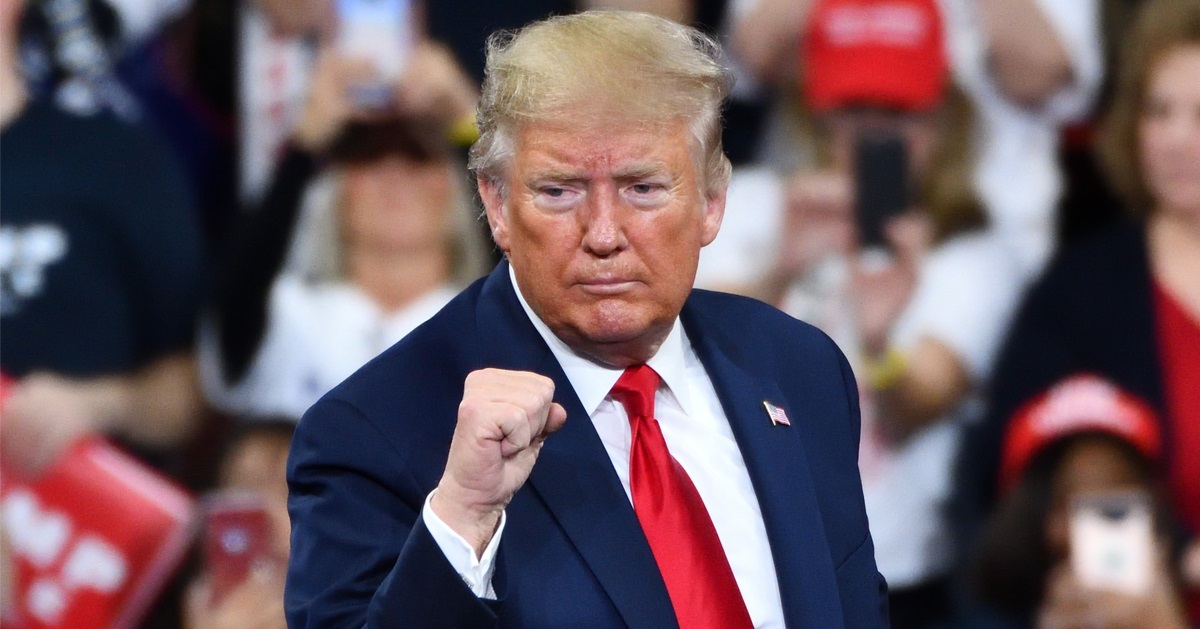
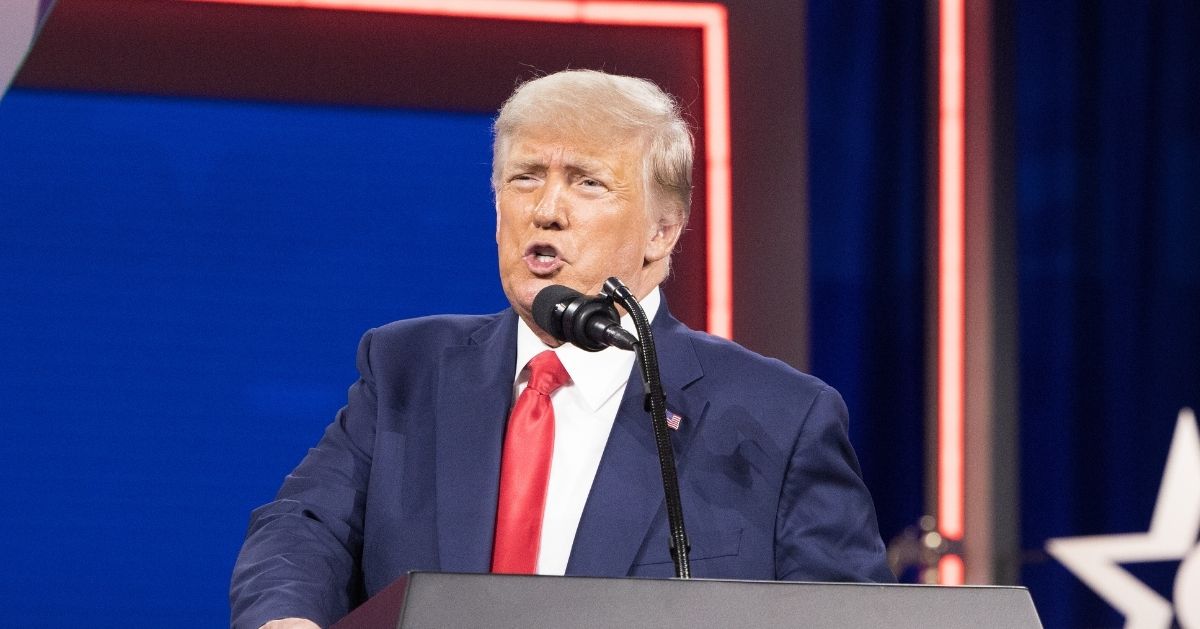
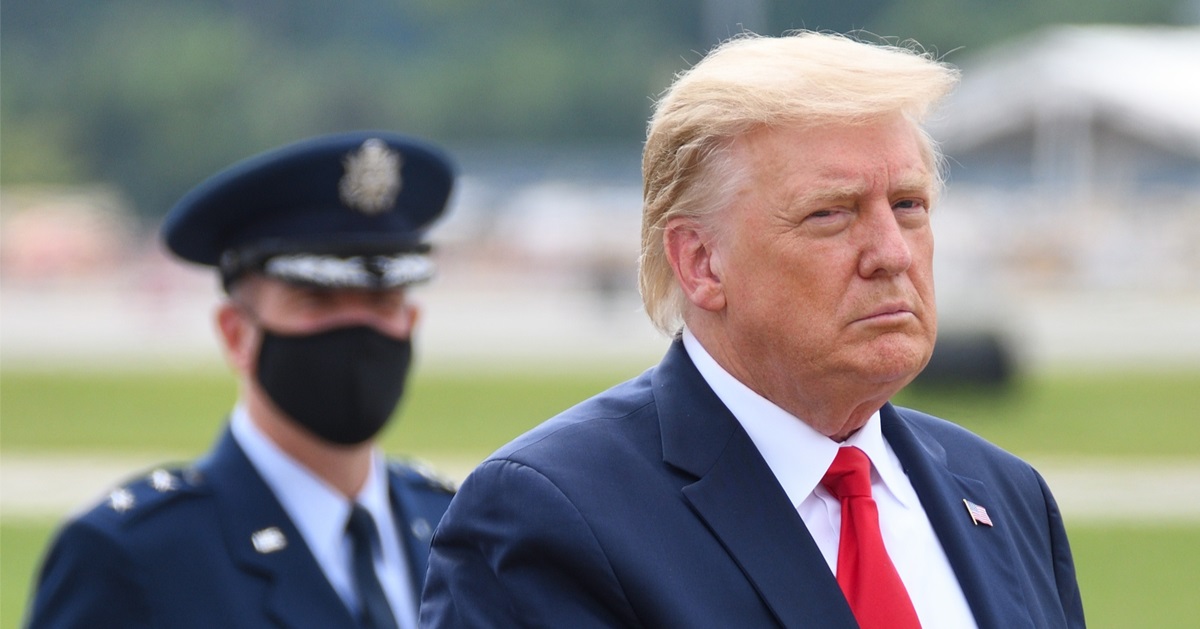
Trump's lawsuit alleges the BBC engaged in "intentionally, maliciously, and deceptively doctoring" his speech to make it appear he had directly encouraged his supporters to storm the US Capitol on 6 January 2021, BBC.com noted. The editing, according to the suit, spliced together his remarks in a way that manufactured a narrative the raw footage doesn't support.
The BBC previously rejected Trump's demands for compensation and disagreed that there was a basis for a defamation and trade practices claim. So the network's position, reduced to its essentials, is this: we admit the edit was wrong enough to apologize for, but not wrong enough to be held accountable for in court.
That's a distinction without a meaningful difference if you're the one being defamed.
The BBC's court filings lean heavily on the argument that the documentary never reached American audiences through legitimate channels. According to the documents:
"The BBC has never made the documentary available on BritBox, BBC.com, or any other distribution platform available in the US."
The broadcaster also pointed to its enforcement efforts against viewers who might try to circumvent geographic restrictions:
"The BBC prohibits the unauthorised use of VPNs to watch iPlayer from outside the UK and takes active steps to enforce this ban."
The strategy is transparent. By framing this as a programme that never crossed the Atlantic, the BBC hopes to avoid answering for the content itself. Fight the venue, not the substance. It's a classic litigation tactic, and it tells you something that the BBC's first instinct isn't to defend the accuracy of its journalism but to argue that an American court has no right to evaluate it.
The BBC's filing also warns of what it calls a "chilling effect" if the case proceeds. That phrase deserves scrutiny. Legacy media outlets invoke the chilling effect whenever they face consequences for editorial choices. The argument is always the same: holding us accountable will discourage future journalism.
But the chilling effect argument cuts both ways. What chills public trust faster than a major international broadcaster admitting it doctored footage of a world leader, apologizing for it, and then fighting in court to avoid any consequences? The BBC wants the freedom to manipulate footage without the accountability that follows.
This is a network funded by mandatory license fees from British citizens, operating with the institutional weight of a quasi-governmental entity, and it produced an edit so misleading that it had to issue an apology. The question isn't whether journalism should be free from interference. The question is whether a taxpayer-funded broadcaster that admits to deceptive editing gets to hide behind national borders when the subject of that deception seeks legal remedy.
The jurisdictional question will be decided by the Florida court, and the legal arguments on both sides are genuine. Courts regularly wrestle with whether foreign media entities that publish content abroad can be hauled into American courtrooms.
But the political dimension is unmistakable. Foreign media outlets spent years producing coverage of Trump that ranged from hostile to fabricated, operating under the assumption that geographic distance provided legal immunity. If a Florida court finds jurisdiction here, it establishes that deceptive editing targeting an American president carries consequences regardless of where the broadcast originates.
The BBC has approached the White House for comment. The network that doctored footage of the president now waits for the president's office to respond to its legal maneuvering.
The apology already told us everything we need to know. Everything since has been an exercise in avoiding the bill.