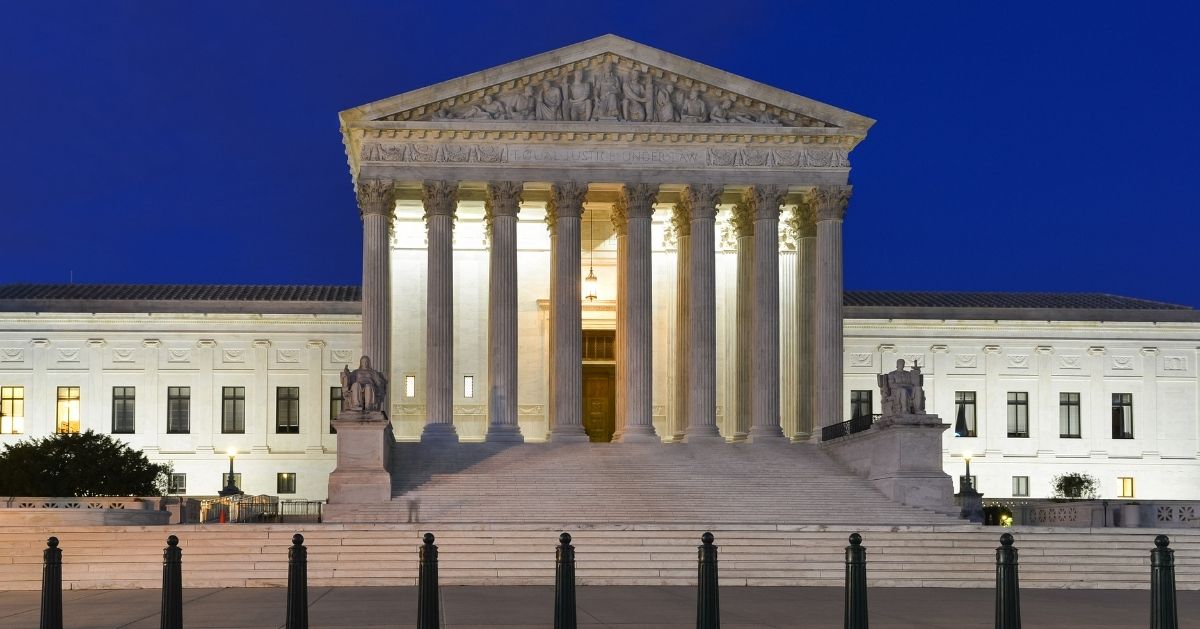
A federal appeals court has turned down the Justice Department’s attempt to bring charges against five more individuals tied to a disruptive protest at a Minnesota church service this month.
Court documents released on Saturday revealed that the 8th U.S. Circuit Court of Appeals rejected the Justice Department’s bid to approve arrest warrants for the additional defendants accused of interrupting a Sunday service to protest a pastor’s apparent ties to Immigration and Customs Enforcement (ICE).
The ruling marks another hurdle for federal prosecutors, who have already secured charges against three alleged leaders of the demonstration. A federal magistrate judge earlier this week declined to authorize warrants for the five others, citing insufficient evidence, while a district court judge called the DOJ’s approach unusual.
This saga began when demonstrators disrupted a Minnesota church service on a Sunday this month, targeting a pastor reportedly connected to ICE. The protest, set against the backdrop of a sweeping immigration crackdown in the state under the Trump administration, has drawn significant attention. Administration officials have repeatedly pledged to safeguard Christian services from such interruptions, Newsmax reported.
The Justice Department moved quickly, charging three activists—Nekima Levy Armstrong, Chauntyll Louisa Allen, and William Kelly—with conspiracy against rights for allegedly intimidating parishioners.
Yet, a federal magistrate judge this week refused to greenlight warrants for five others, including former CNN anchor Don Lemon, who filmed the event. The judge also dropped a proposed charge of physically obstructing a house of worship against the trio already charged.
Chief U.S. District Court Judge Patrick Schiltz didn’t mince words about the DOJ’s tactics. In a letter made public on Saturday, he described their request to intervene as “unheard of in our district.” That’s a rare judicial slap on the wrist for federal prosecutors.
And what does this say about the DOJ’s strategy? Pushing for immediate intervention through both the chief trial judge and the appeals court—only to be rebuffed by all three judges on the 8th Circuit panel—suggests a miscalculation. Even Judge Leonard Steven Grasz, who saw merit in the evidence, noted prosecutors have other avenues like grand juries to pursue charges.
Let’s be clear: disrupting a church service isn’t a trivial act. Houses of worship are sacred to millions, and the right to worship without harassment should be non-negotiable. But the heavy-handed approach from the DOJ raises questions about whether this is justice or overreach.
The broader context here is impossible to ignore. With immigration enforcement ramping up in Minnesota, protests like this one are likely symptoms of deeper frustration with federal policies. The three charged defendants have accused the Trump administration of retaliating against their activism—a claim that resonates with critics of the crackdown.
Still, the law must apply evenly. If these activists crossed a line by intimidating parishioners, accountability is warranted. The question is whether the DOJ’s pursuit of additional charges, including against someone merely recording the event, stretches the bounds of fairness.
The appeals court’s decision not to intervene doesn’t close the door on further action. Prosecutors can still seek grand jury indictments or present more evidence to the magistrate judge. But for now, their aggressive push has hit a wall.
What’s at stake here isn’t just a single church protest—it’s the principle of how we handle dissent in sensitive spaces. Protecting religious freedom shouldn’t mean silencing critics of government policy, even when their methods are disruptive. Finding that balance is the real challenge.
The Justice Department’s silence on the matter, with no immediate comment provided, only fuels speculation about their next move. Will they double down or rethink their approach? The public deserves clarity on how far they’ll go to make an example of these demonstrators.
In the end, this case encapsulates a broader cultural clash—between those who see immigration enforcement as a necessary stand for law and order, and those who view it as a policy worth protesting, even in sacred spaces. The courts have spoken for now, but the debate is far from over. Minnesota’s church disruption saga is a reminder that justice must tread carefully when rights collide.