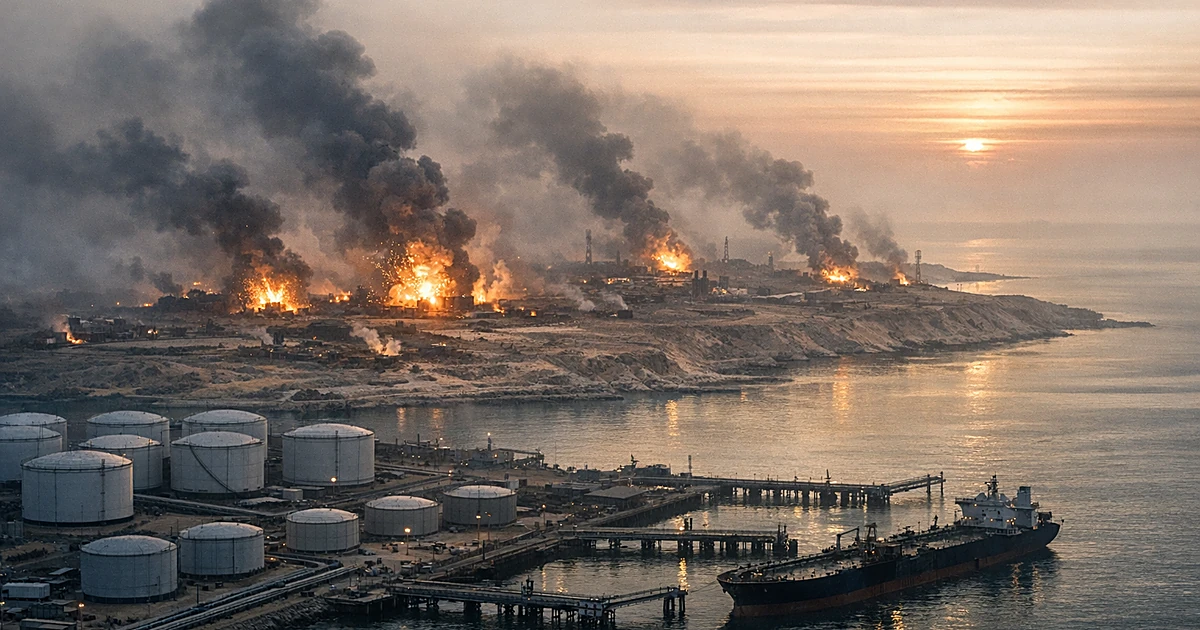
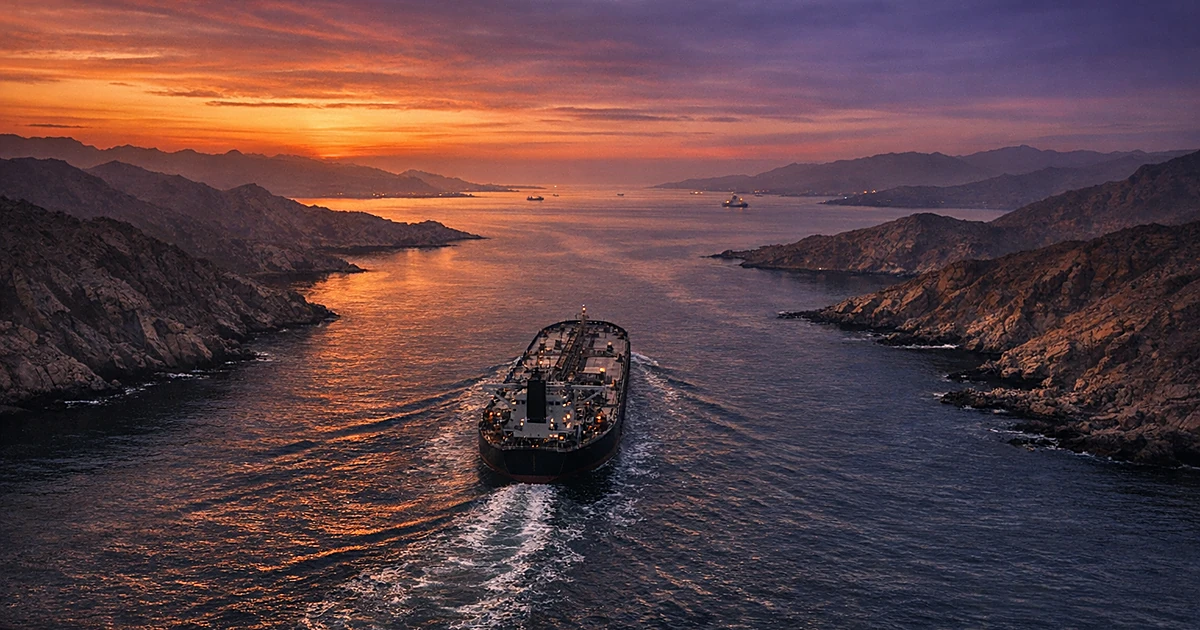
The United States launched a sweeping series of strikes against Iran's Kharg Island early Tuesday, hitting more than 50 military sites on the strategically vital landmass off Iran's southern coast, two U.S. officials told Newsmax. The operation came just ahead of President Donald Trump's deadline for Tehran to reopen the Strait of Hormuz, a chokepoint through which roughly one-fifth of the world's oil normally flows.
Officials described the strikes as carefully targeted. American forces deliberately avoided oil infrastructure on the island, which serves as Iran's primary oil export hub. The goal, officials said, was to degrade Iranian military capabilities without triggering broader economic disruption in global energy markets.
The distinction matters. Kharg Island is not just a military outpost, it is the beating heart of Iran's oil revenue. Striking military assets while leaving export terminals untouched sends a message that is hard to misread: Washington can reach the regime's most sensitive real estate and choose exactly what to destroy.
The Tuesday morning operation, measured by Eastern time, did not arrive out of nowhere. In recent days, military assets in and around Kharg Island had increasingly come under fire as tensions between Washington and Tehran escalated. The latest action represents the most concentrated single blow in that sequence, more than 50 sites hit in a single wave.
President Trump had set a deadline for Iran to restore full transit through the Strait of Hormuz. The administration warned of further consequences if Tehran failed to comply. Tuesday's strikes landed just before that clock ran out.
The pattern fits the posture the administration has maintained for weeks. Trump has rebuffed ceasefire proposals from Middle Eastern intermediaries, signaling that military pressure, not diplomatic half-measures, would define his approach to Iran.
That posture has produced results on the water as well as from the air. Earlier in the confrontation, the president ordered the destruction of Iranian mine-laying boats operating in shipping lanes, warning Tehran of unprecedented consequences if it continued to threaten commercial navigation.
Kharg Island sits off Iran's southern coast in the northern Persian Gulf. It handles the vast majority of Iran's crude exports. Any disruption to the island's oil terminals would ripple through global energy prices within hours. That the U.S. struck military targets there, and only military targets, reflects an operation designed to maximize strategic pressure while minimizing collateral economic damage to allies and trading partners who depend on Gulf oil.
Two U.S. officials stressed that the operation was calibrated. The word "carefully" appeared in their framing more than once. They described the intent as degrading Iran's military posture on the island, not crippling its export capacity.
For years, critics of a harder line on Iran argued that any military action near Kharg would automatically spike oil prices and punish American consumers at the pump. Tuesday's operation appears designed to answer that objection directly, by proving the U.S. can operate on the island's doorstep with surgical precision.
The Kharg Island strikes are the latest in a series of escalating U.S. actions against Iran's military infrastructure. The campaign has unfolded rapidly, with each step ratcheting pressure on a regime that has long relied on asymmetric threats, mines, proxy forces, missile programs, to deter direct confrontation.
That deterrence model has been tested and found wanting. The scope of Tuesday's strikes, more than 50 sites in a single operation, suggests Washington has moved well past symbolic gestures. This was an operation built to impose real military cost.
The confrontation has also reached the highest levels of Iran's leadership. A joint U.S.-Israeli strike earlier in the conflict killed Supreme Leader Ali Khamenei, a development that reshaped the entire strategic landscape in the region.
Trump himself has framed the campaign in blunt terms, publicly calling Iran's regime serial deceivers who misled American presidents for decades. That rhetoric has matched the operational tempo: no pauses, no drawn-out negotiations, no off-ramps that Tehran could exploit to rearm and regroup.
Several important details remain unclear. U.S. officials have not publicly identified which specific military capabilities were targeted on Kharg Island, whether air defenses, missile batteries, command facilities, naval installations, or some combination. No casualty figures have been released, and no formal damage assessment has been made public.
The identities of the two U.S. officials who described the operation have not been disclosed. The exact calendar date of Trump's Strait of Hormuz deadline has not been specified in public reporting, nor has the administration defined precisely what "restore full transit" means in operational terms, whether it requires the removal of mines, the withdrawal of naval assets, or some broader guarantee of free passage.
Iran's response, if any, has not yet been reported. Whether Tehran attempts retaliation, through proxies, cyberattacks, or direct military action, will shape the next phase of the confrontation.
The president has signaled that the endgame may be closer than many observers expect. Trump recently indicated the U.S. could wind down its Iran campaign within weeks, saying the nuclear objective had been achieved.
The deliberate avoidance of oil infrastructure deserves a closer look. It is not simply a tactical choice, it is a policy statement. The administration is telling the world that the United States can project force onto Iran's most economically sensitive territory without destabilizing global markets. That capability, demonstrated rather than merely claimed, changes the calculus for every actor in the region.
For Iran, the message is stark. The regime's military assets on Kharg Island, the one piece of geography it cannot afford to lose, are now proven to be within reach and vulnerable. The oil terminals next door survived this round. Whether they survive the next depends entirely on Tehran's choices.
For allies and energy importers, the signal is reassurance. Washington struck hard and kept the oil flowing. That is the kind of strength that builds coalitions, and the kind of restraint that keeps them intact.
Decades of half-measures, frozen negotiations, and carefully worded communiqués did not stop Iran from mining shipping lanes or threatening the world's energy supply. Fifty strikes on Kharg Island speak a language Tehran has no trouble understanding.