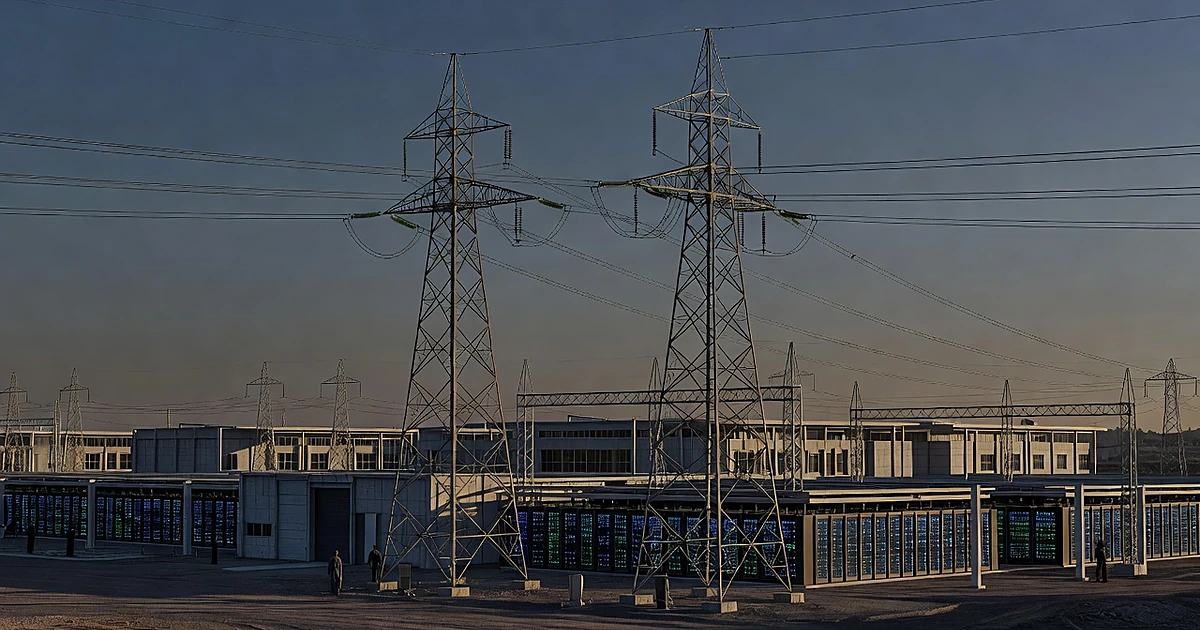
Senate Democrats led by Chuck Schumer are poised to block a Republican data-center bill aimed at electricity costs, even as the party campaigns on affordability ahead of the midterms.
Fox News Digital reported that Senate Republicans planned a Wednesday push on legislation from Sen. Jon Husted, R-Ohio, focused on large-load customers such as data centers and related power costs. Senate Minority Leader Chuck Schumer and his caucus were described as ready to stop it.
The fight lands squarely inside the Democrats’ midterm message. Party leaders talk nonstop about household bills and soaring costs. At the same time, they are preparing to kill a measure Republicans say would ease pressure on the grid and on ratepayers.
The same bill already cleared the House earlier this month. Only three House Democrats voted against it. In the Senate, the path is different. Republicans hold 53 seats. They still need 60 votes to break a filibuster, which means Democratic cooperation, or a Democratic block.
Schumer did not soften his line. He trashed the proposal as empty and politically timed to help a vulnerable Republican.
Schumer said:
"Because we don't vote for frauds,"
He added:
"It's voluntary. Not a single company has to comply with it."
Democratic senators echoed that attack. They argued the bill lacks force and mainly serves Husted’s tough Ohio race against former Sen. Sherrod Brown. That posture fits a wider pattern of party hardball as factions jockey for control, including fights over how far left the Democratic brand is drifting.
Sen. Andy Kim, D-N.J., waved off any worry that killing the bill would undercut the party’s affordability pitch.
Kim said:
"Absolutely not."
He went further:
"The American people can see through just the politics of this. They know that this bill is good for Senator Husted, but not necessarily for them, because it's not, it doesn't have anything that would actually force change,"
Sen. Chris Murphy, D-Conn., struck a similar note. He told reporters the political downside for Democrats stays low if they explain the bill’s limits.
Murphy said:
"It does nothing, and so people know that, but there's more political risk for them than for us,"
Senate Majority Leader John Thune, R-S.D., framed the standoff as pure election-season politics. He said Democrats refuse workable steps and prefer talking points through November.
Thune said:
"I think right now, the whole thing is just, you know, play politics with all these issues and get to the election,"
He continued:
"I think that, you know, what you're seeing is that this is the party of no, can't take yes for an answer, and is interested in just trying to politicize everything going into the election."
Asked whether blocking the data-center bill, and a separate measure to ban members of Congress from trading stocks, would undercut Democratic messaging on costs and clean government, Thune did not hedge.
Thune said:
"Well, it makes it pretty hard for Democrats to make that argument."
That contrast is simple. One side passed a House bill with near-unanimous support and wants a Senate vote. The other side calls the same product fake and prepares to stop it cold. Voters who pay electric bills can judge which side matches its ads. Similar fractures have already surfaced when House Democrats broke with leadership on key procedural votes.
The data-center clash is not the only cost-related fight Democrats walked away from. Last week, Democrats pulled back from a permitting-reform deal Republicans wanted on the floor before the election. Sen. Alan Armstrong, R-Okla., had led that push and said the conditions for agreement were unusually strong.
Armstrong said:
"I would tell you, all the chemistry, I think, was perfect for getting this deal done,"
He added:
"And that doesn't happen very often on such a complex issue. So it's very disappointing."
Reporting now indicates the permitting package may return after Election Day, during the lame-duck session. In plain terms, that means any relief for energy projects and infrastructure waits until after voters have already cast ballots. Campaign rhetoric stays loud. Floor action gets deferred.
Sen. Chris Van Hollen, D-Md., left a narrow opening on the data-center bill itself. He said he was not totally opposed to letting legislation move, if Republicans first guarantee a vote on a Democratic priority, the Power for the People Act.
Van Hollen said:
"You want to address the affordability issue, you need to do something real,"
And:
"As soon as Senator Thune says he'll have a vote on Power for the People Act, then for sure, we should go forward."
That is a classic Capitol trade: hold one bill hostage to force a vote on another. It is not the same as clearing a path for cost relief on the merits. It is leverage timed to an election calendar. Party discipline around those trades has grown harder to maintain, even as figures like Sen. John Fetterman refuse to follow every partisan script.
Sen. Tommy Tuberville, R-Ala., put the arithmetic in blunt terms. Republicans have 53 votes. They still need 60. Without Democratic votes or a rules change, major bills die on procedure.
Tuberville said:
"I mean, we got 53 Republicans, you got to have 60. I’d have busted the filibuster a long time ago, and we would've had a lot more done,"
He added:
"But we wasted a year and a half of President Trump."
Whatever one thinks of the filibuster, the practical result is clear. Energy-cost legislation that already passed the House faces a Senate wall. Permitting reform that senators said was close got postponed. Democrats keep the affordability theme for ads from Michigan to Texas while treating Republican cost bills as optional props.
Husted’s bill centers on data centers and large electricity users, the kind of loads tied to AI growth and industrial demand. Supporters say customers should face clearer rules on repaying grid costs so ordinary ratepayers do not swallow the entire spike. Critics inside the Democratic caucus call the language toothless because compliance is optional. That dispute is exactly why a floor vote would matter. Blocking the vote keeps the argument in press conferences instead of statute.
Internal Democratic strain is not limited to this bill. Leadership already faces restless members, fundraising trouble, and public breaks on endorsements and procedure, including the uproar after a retiring Democrat backed a Republican and drew a sharp rebuke from party leaders. A caucus that cannot hold every vote still wants full control of the affordability narrative.
Election Day in November will test whether voters buy the split-screen. Democrats plan to run on prices. Republicans will point to bills stopped in the Senate and deals kicked into the lame duck. Thune’s charge is that the “party of no” would rather keep the issue than solve part of it before voters speak.
Schumer’s answer is that voluntary language equals a fake fix, and that real affordability work runs through Democratic vehicles like the Power for the People Act. Kim and Murphy say the public will see through a bill they call a gift to Husted. Armstrong says a rare permitting consensus was thrown away for calendar politics. Tuberville says the 60-vote rule has burned time that could have produced results.
None of those claims erase the basic sequence. The House passed a data-center measure with only three Democratic no votes. The Senate teed up related action. Democrats prepared to block it. A separate permitting deal slipped past the election. The stock-trading ban floated as another casualty of the same dynamic. Affordability remains the slogan. Floor cooperation remains the missing piece.
When leaders sell cost relief on the trail and stall cost bills in the chamber, voters are right to ask which one is the product and which one is the pitch.