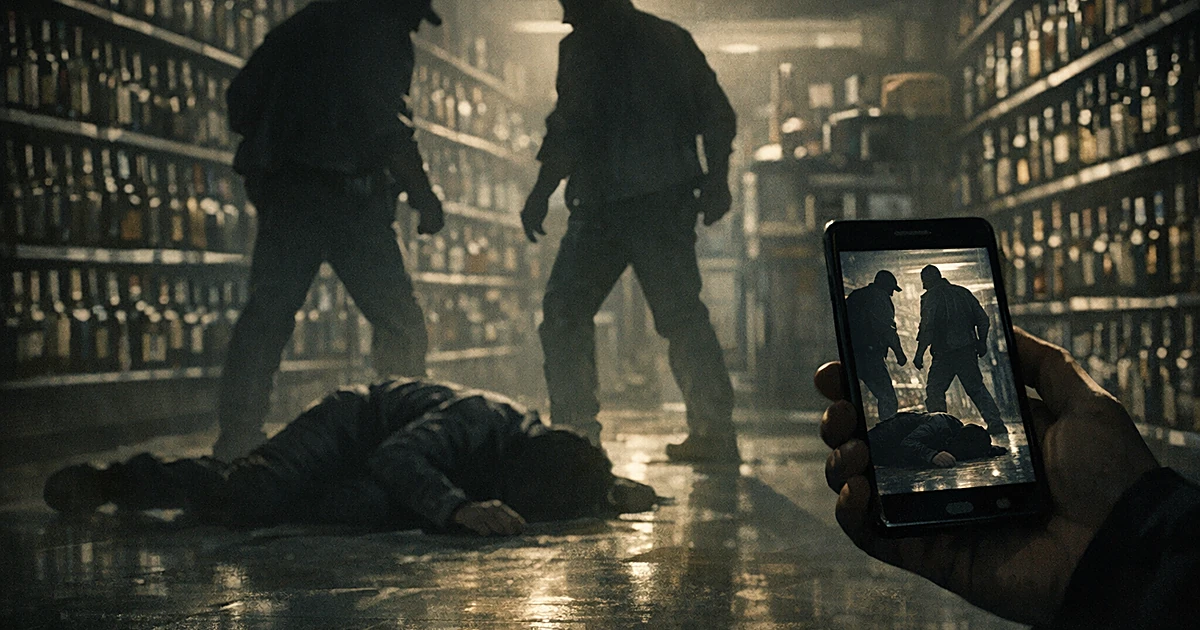
Two NYPD narcotics detectives lost their guns and shields this week after a bystander's cellphone video captured them punching, kicking, and dragging a man inside a Brooklyn liquor store, a man police later admitted had nothing to do with the drug transaction they were investigating.
The incident, recorded Tuesday afternoon at a shop on Hoyt and Baltic streets in Cobble Hill, has drawn swift condemnation from New York City Mayor Zohran Mamdani and Police Commissioner Jessica Tisch. The department's Internal Affairs Bureau opened an investigation. The Brooklyn District Attorney's Office said it will dismiss the charges filed against the man.
That sequence, officers rough up an innocent person, charge him anyway, then watch prosecutors toss the case, is the kind of chain that erodes public trust in law enforcement. And the speed with which city leaders rushed to condemn the officers, before an investigation could even begin, raises its own set of questions about who is actually running the NYPD.
ABC7 New York reported that the footage shows two plainclothes narcotics detectives wrangling with an unnamed man inside the store. At one point the man crashes into a wine shelf. The officers throw punches. One kicks him.
Witness Abelee Moran, who recorded the video, told reporters the officers never identified themselves as police or detectives. They never told the man he was under arrest. They never ordered him to put his hands behind his back. They just started hitting him.
Moran described the scene plainly:
"We thought we were getting stuck up. The officers did not say we're NYPD. They didn't say that we're detectives. They didn't tell him you're under arrest, put your hands behind your back. They just started hitting him. The guy, I can hear him say, 'Wait. What's going on?' So as soon as I heard that, I looked, and I started recording immediately."
If Moran's account is accurate, the detectives skipped the most basic steps of a lawful arrest. That matters, not just for the man who was beaten, but for every officer in the city who follows procedure and still gets lumped in with the ones who don't.
The NYPD said the detectives had just witnessed a narcotics purchase of crack cocaine nearby and believed the man matched the description of a suspect. No drugs were found during a police search. The man was issued a desk appearance ticket for resisting arrest and obstruction of governmental administration, charges the Brooklyn DA's office now plans to drop.
Mayor Mamdani posted on social media calling the video "extremely disturbing and unacceptable." He added that "officers should never treat a person this way" and said the NYPD was conducting a full investigation. The mayor, already under scrutiny over his leadership decisions, wasted no time positioning himself on the side of the cameras.
Commissioner Tisch, speaking Wednesday at an unrelated press conference, called it an "upsetting video" and confirmed the two detectives had been placed on modified duty with their guns and shields removed.
The New York Post identified the man as Timothy Brown, reporting that the resisting arrest and obstruction charges against him were dropped and that Tisch described the video as "deeply disturbing." The Post also noted that police unions criticized the mayor for speaking out before the investigation concluded.
Hawk Newsome of Black Lives Matter NY held a press conference outside the liquor store on Wednesday. He framed the incident in historical terms:
"I feel like everybody saw everybody beating a man like it's the 1950s and 1960s, in 2026, these police officers should be under control."
Detectives Endowment Association President Scott Munro offered a sharply different take. He said he wanted facts before anyone rushed to judgment, a reasonable position, and one that city hall did not share.
Munro defended his members directly:
"NYPD detectives put their lives on the line daily, doing the dangerous work politicians would never have the courage to do."
He also posed a blunt question: "Narcotics detectives arrest you and tell you to put your hands behind your back, and don't comply, what do you think happens?" That framing clashes directly with Moran's account, which says the officers never gave any such command. If Internal Affairs can establish what was said and when, the facts will settle that dispute. Until then, both versions are on the table.
This is the tension that sits at the center of every use-of-force controversy. Officers working narcotics details operate in dangerous, fast-moving situations. Mistakes happen. But when the wrong man gets beaten in a liquor store and charged with crimes the DA won't prosecute, something went wrong well before the first punch was thrown.
The Mamdani administration's record on law enforcement has been anything but consistent. The mayor scrapped 5,000 planned NYPD hires in his budget proposal, signaling that a smaller police force is acceptable. He has drawn criticism for prioritizing visits with Rikers inmates over injured officers. And he has faced backlash for how he has framed violent crime in the city.
Now the same mayor who has been cutting police resources and siding publicly against officers is quick to call their conduct "unacceptable" before an investigation produces findings. That doesn't mean the officers in this case acted properly. The video is hard to watch, and the fact that they had the wrong man makes it worse. But a mayor who undercuts the department at every turn and then demands accountability when a camera rolls is sending officers an impossible message.
Munro's complaint, that politicians condemn officers before the facts are in, is not new. It is also not wrong. Public officials can acknowledge concern without prejudging an outcome. Mamdani chose the louder path.
The Internal Affairs investigation will determine whether the detectives violated department policy or the law. The Brooklyn DA's decision to dismiss the charges against the man effectively concedes that the arrest lacked merit. Whether the detectives face departmental discipline, criminal referral, or reinstatement depends on what the investigation finds.
Several questions remain unanswered. What injuries, if any, did the man sustain? What specific suspect description did the detectives claim he matched? Why were charges filed at all if no drugs were found and the man was not the person they were looking for? And why, if Moran's account holds, did the detectives fail to identify themselves before using force?
The broader pattern of public-safety controversies around this administration makes the stakes higher. New Yorkers need officers who follow the rules and leaders who let investigations run before turning every incident into a political statement.
Good policing and accountability are not opposites. But you cannot gut the force, publicly shame officers before the facts arrive, and then wonder why morale collapses and the streets get more dangerous.