Homeland Security Secretary Kristi Noem dropped a significant policy update this week, shaking up the landscape for federal law enforcement in Minneapolis.
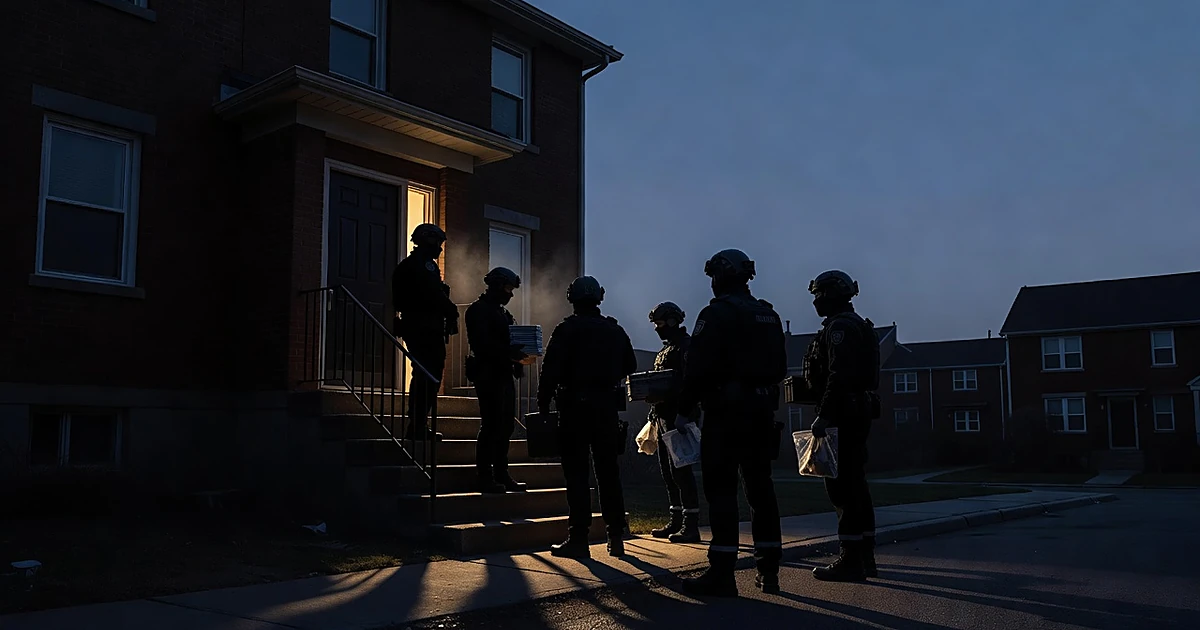
On Monday, Noem announced that all federal officers in the field in Minneapolis must now wear body cameras, effective immediately. This decision emerges amid heightened tensions over immigration enforcement in the Minneapolis–Saint Paul area, specifically tied to Operation Metro Surge, a DHS initiative that has sparked national outcry after two fatal encounters between federal agents and civilian protesters.
The policy shift also coincides with a partial government shutdown that began Saturday, as Capitol Hill remains gridlocked over DHS funding. Critics and supporters alike are weighing in on what this means for transparency and accountability in federal operations.
Noem’s move to equip officers with body cameras in Minneapolis is a bold step toward clarity in a city reeling from the fallout of Operation Metro Surge. Those tragic fatalities involving federal agents have put DHS under a microscope, and it’s about time we had visual evidence to separate fact from the usual activist spin.
Noem didn’t stop at Minneapolis, either.
She declared, “We will rapidly acquire and deploy body cameras to DHS law enforcement across the country,” signaling a broader vision for accountability that could reshape how federal operations are perceived nationwide, according to Newsmax.
The backdrop to this policy is Operation Metro Surge, a DHS effort targeting immigration enforcement that’s drawn sharp criticism after deadly clashes. Minnesota Gov. Tim Walz took to social media, griping that the move was overdue and slamming the use of masked border patrol agents in his state.
Walz’s whining about agents in “masks and camo” misses the mark—law enforcement needs to operate with authority, not tiptoe around local sensibilities. His complaint that they’re “1,500 miles from the Southern border” ignores the reality that illegal immigration isn’t a border-only problem; it’s a national security issue bleeding into every corner of the country.
Noem, alongside key figures like Tom Homan, Acting ICE Director Todd Lyons, and Customs and Border Protection Commissioner Rodney Scott, is steering the ship with a steady hand. Her directive, effective immediately in Minneapolis, shows a commitment to transparency without bowing to the left’s endless demands for weakening enforcement.
Meanwhile, the body camera rollout is tangled in a nasty Capitol Hill brawl over DHS funding. Senate Democrats are holding the line, demanding mandatory cameras and unmasking of officers as conditions for backing any budget deal, even as a partial government shutdown drags on.
Let’s call this what it is: Democrats are playing political games with national security, using the shutdown as leverage to hamstring immigration enforcement. Their obsession with “transparency measures” often feels like a smokescreen to undermine agents who are just doing their jobs in tough conditions.
The funding clash isn’t just about cameras—it’s a broader battle over how immigration operations are conducted and monitored. Lawmakers are stuck, unable to pass appropriations bills, with short-term resolutions floating as a stopgap while Democrats push to attach their reform agenda to every measure.
Noem’s policy might ease some transparency concerns in these budget talks, but don’t expect it to bridge the gaping divide on oversight of immigration enforcement. The House is gearing up to resume debate on funding this week, and both sides are digging in for a protracted fight.
This intersection of law enforcement tech and budget brinkmanship is a rare spectacle in Washington. It’s a reminder that every policy, even one as straightforward as body cameras, gets weaponized in the endless tug-of-war between those who want secure borders and those who’d rather grandstand for open ones.
What’s next? If funding becomes available, as Noem promised, a nationwide rollout could redefine federal law enforcement’s public image, proving that accountability and strength can coexist. For now, Minneapolis is the testing ground, and all eyes are on whether this move will quiet the critics or just fuel more partisan noise.