President Donald Trump has dropped a clear directive on federal involvement in urban unrest, setting strict boundaries for Homeland Security’s role in Democrat-led cities.
Trump announced via Truth Social that he has instructed Homeland Security Secretary Kristi Noem to refrain from federal intervention in protests or riots in Democrat-run cities unless explicitly requested by state or local officials. He emphasized a robust federal stance to protect government property, including buildings and vehicles, regardless of local requests. Additionally, Trump warned of harsh repercussions for attacks on federal officers and highlighted local governments’ primary duty to secure both state and federal assets.
Let’s unpack this policy shift, as it’s stirring debate about federal overreach versus local accountability. Supporters see it as a return to law enforcement clarity, while critics worry it leaves some cities vulnerable to unchecked unrest.
Trump’s directive isn’t just a hands-off approach; it’s a pointed message to local leaders. He insists federal forces will “guard, and very powerfully so, any Federal Buildings” if they’re threatened. That’s a line in the sand for anyone thinking federal assets are fair game.
This isn’t about abandoning cities but prioritizing where federal muscle flexes. Trump made it clear that local governments bear the brunt of responsibility for their streets and even federal sites within their bounds. It’s a nudge—handle your business, or don’t expect Uncle Sam to swoop in uninvited, as Newsmax reports.
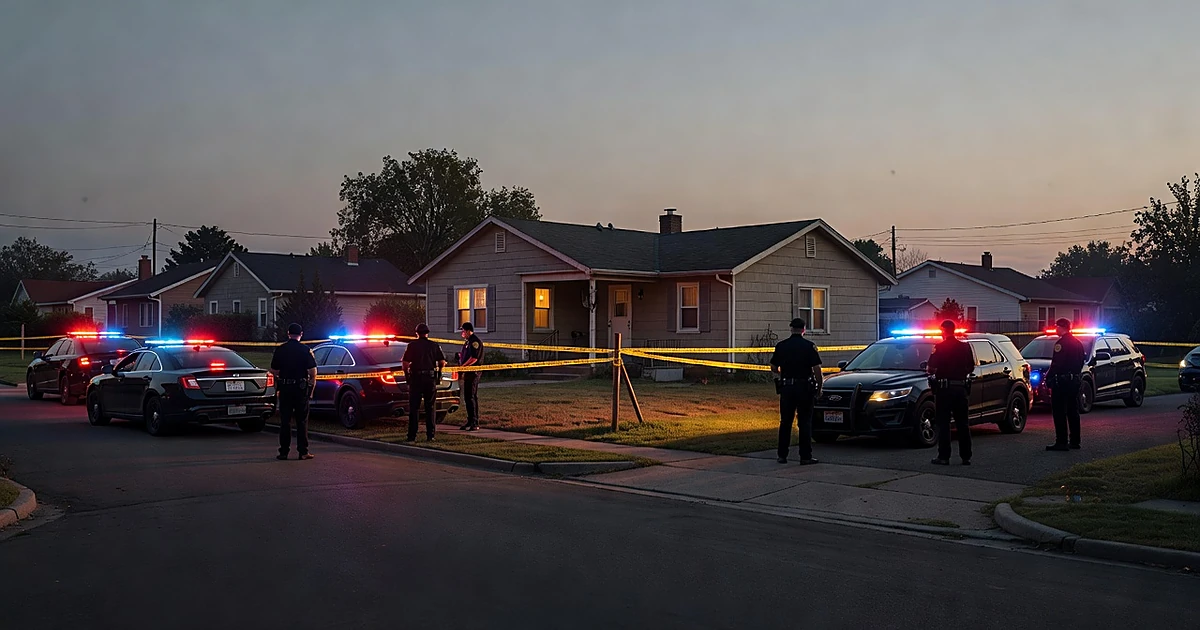
Look at the recent incident in Eugene, Oregon, which Trump cited as a wake-up call. He claimed criminals breached a federal building overnight, causing significant damage while “scaring and harassing” employees. Local police, per Trump, stood idle, doing little to intervene.
That Eugene fiasco seems to be a tipping point. Trump’s frustration is palpable when he declares, “We will not let that happen anymore.” It’s a promise of swift action, but only on federal turf or when begged for help.
Trump’s not mincing words on consequences either. He’s ordered ICE and Border Patrol to be “very forceful” in defending government property, with a stern warning that assaults on officers or damage to vehicles will meet severe pushback. This isn’t a game of catch-and-release for vandals.
Still, there’s a balancing act here. Trump acknowledges that federal involvement in broader unrest hinges on local leaders swallowing their pride and asking for aid—politely, even, as he suggests they use a certain courteous word. It’s a subtle jab at progressive mayors who might bristle at federal boots on their ground.
The policy also harks back to past events for justification. Trump referenced the “Los Angeles Riots one year ago,” noting a police chief’s gratitude for federal backup at the time. It’s a reminder that when chaos spirals, even skeptical locals have welcomed federal support.
Yet, the current stance feels like a tighter leash on federal resources. Trump frames this as fulfilling his mandate on border security, national safety, and “law and order,” arguing it’s the backbone of what voters demanded. It’s less about charity and more about a contract with the American public.
For Democrat-led cities, this could be a bitter pill. Many progressive leaders have clashed with federal tactics in the past, viewing them as heavy-handed. Now, they’re in a bind—either request help on Trump’s terms or risk managing spiraling unrest solo.
Trump’s not ruling out bigger guns if push comes to shove. He’s floated deploying “if necessary, our Military,” promising an “extremely powerful and tough” response to protect federal interests. That’s a not-so-subtle hint at escalation if local failures persist.
At its core, this policy is about drawing boundaries while keeping federal priorities front and center. It’s a gamble that local leaders will step up—or at least know who to call when they can’t. The question is whether this restraint strengthens order or simply shifts the burden of chaos.