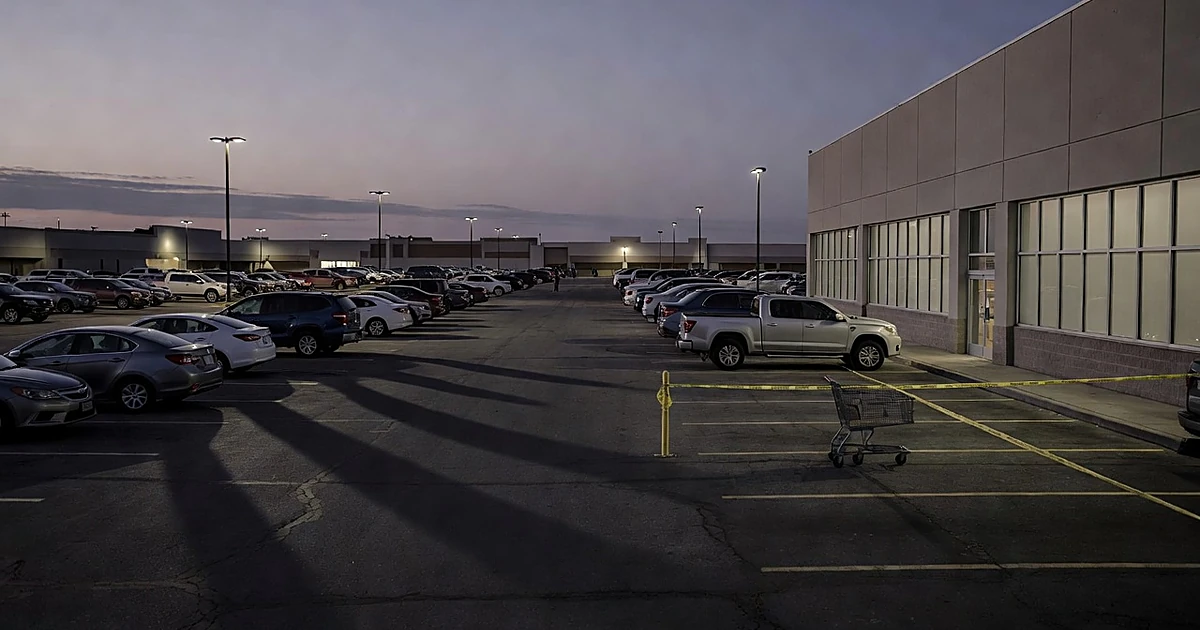
A private jet carrying eight souls met a tragic fate on Sunday night at Bangor International Airport in Maine, raising immediate concerns about safety and weather conditions.
On Sunday, a Bombardier Challenger 600 crashed while attempting to take off from Bangor International Airport, as reported by the Federal Aviation Administration (FAA).
The condition of the eight individuals on board remains unclear as of Sunday night. The FAA, alongside the National Transportation Safety Board (NTSB), will conduct a thorough investigation into the incident, which occurred during a brutal winter storm hammering the East Coast with widespread flight disruptions.
Airport spokesperson Aimee Thibodeau confirmed to The New York Times that the facility was shut down temporarily as emergency crews responded to the scene. No additional details about the crash were provided in the statement. This lack of immediate clarity only heightens the tension surrounding the event.
The timing of this crash couldn’t be worse, as the East Coast was already reeling from a massive winter storm over the weekend. Flight delays and cancellations were rampant, and one has to wonder if Mother Nature played a cruel hand in this incident, the Hill reported.
The FAA noted the jet was in the process of leaving the runway, describing the moment “as it was taking off.” That critical phase of flight, paired with treacherous weather, paints a grim picture of what might have gone wrong. It’s a stark reminder of how unforgiving aviation can be under adverse conditions.
Yet, while the storm’s role is speculative at this point, the broader context of safety regulations and oversight cannot be ignored. If weather was a factor, why wasn’t more done to ground flights during such a dangerous window? This isn’t just about one jet—it’s about ensuring the system prioritizes lives over schedules.
The FAA and NTSB stepping in to investigate is a necessary move, but it also raises questions about accountability. Will the findings be transparent, or will they get buried under bureaucratic red tape? The public deserves answers, not excuses.
Again, the FAA’s statement emphasized the jet was “as it was taking off,” a detail that suggests something went catastrophically wrong in those fleeting seconds. Could mechanical failure, pilot error, or external conditions be to blame? We won’t know until the investigation concludes, but speculation will undoubtedly run rampant.
Meanwhile, the silence on the passengers’ conditions as of Sunday night is deafening. Eight lives hang in the balance, and the lack of updates only fuels anxiety for families and communities. It’s a human tragedy unfolding in real time, and our thoughts are with those affected.
The temporary closure of Bangor International Airport, as emergency teams rushed to the scene, underscores the gravity of this crash. It’s not just a runway incident; it’s a full-scale crisis disrupting an entire hub. How long will operations be halted, and what ripple effects will this have?
While progressive voices might spin this as a call for more government overreach in aviation, let’s not jump the gun. Overregulation often stifles innovation and burdens industries without solving root problems. We need targeted solutions, not knee-jerk policies that sound good but do little.
Instead, this tragedy should prompt a hard look at whether current safety protocols are enough when nature throws its worst at us. Are airports and airlines truly prepared for these storms, or are they just hoping for the best? That’s the debate worth having.
Beyond this specific crash, the incident at Bangor shines a light on the broader challenges facing aviation in extreme weather. The East Coast’s weekend storm was no secret, yet flights were still attempting takeoffs. Shouldn’t there be stricter thresholds for grounding planes during such events?
Ultimately, this crash is a sobering wake-up call for an industry that sometimes prioritizes efficiency over caution. While we await the FAA and NTSB’s findings, let’s hope this spurs real change—not just empty promises or politically charged posturing. Lives depend on getting this right.