Washington was rocked by a dramatic Senate vote as Republicans thwarted a bipartisan effort to limit President Donald Trump’s military authority over Venezuela.
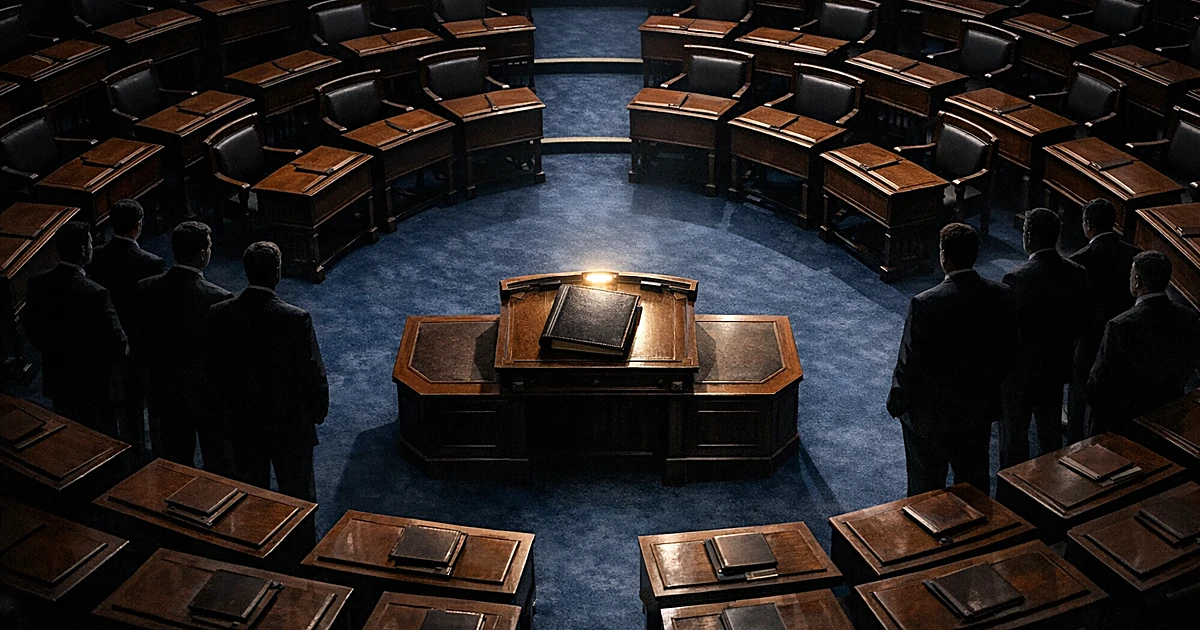
Senate Republicans, using a rarely invoked procedural tactic, defeated a war powers resolution proposed by Sen. Tim Kaine (D-VA) aimed at curbing Trump’s authority regarding Venezuela. The resolution initially gained traction last week with support from all Senate Democrats and five Republicans, but ultimately failed on a 51-50 vote with Vice President JD Vance casting the deciding vote against it. The move came after intense pressure from Trump, Senate Majority Leader John Thune (R-SD), and administration officials, reversing the positions of key Republican senators.
The issue has sparked intense debate over the balance of power between Congress and the executive branch. While the resolution seemed poised for success last week, a concerted effort by Republican leadership and the Trump administration turned the tide. Critics of the resolution argue it was unnecessary, while supporters lament a missed opportunity to assert congressional oversight.
Last week, the bipartisan push to advance Kaine’s resolution drew sharp criticism from Trump himself, as Fox News reports. He publicly blasted the Republicans who initially supported it, declaring they “should never be elected to office again.” That fiery rhetoric, paired with behind-the-scenes lobbying, proved effective in flipping crucial votes.
Thune led the charge against the resolution, questioning its relevance to the current situation in Venezuela. He argued, “We don't have troops in Venezuela. There is no kinetic action, there are no operations.”
Thune further pressed the point on timing, suggesting the Senate’s focus should be elsewhere. He noted the ongoing work on appropriations bills as a more pressing priority. His stance resonated with many Republicans who saw the resolution as a distraction.
Two key senators, Josh Hawley (R-MO) and Todd Young (R-IN), ultimately reversed their initial support, sealing the resolution’s fate. Hawley, after discussions with administration officials, concluded no further military action was planned in Venezuela. Young, meanwhile, waited until the vote to reveal his shift, citing assurances from Secretary of State Marco Rubio.
Those assurances included a promise that Trump would seek congressional authorization before any use of force in Venezuela. Rubio also committed to a public hearing before the Senate Foreign Relations Committee in the coming weeks to address regional concerns. These commitments swayed Young and others to side with Trump.
Not all Republicans bowed to the pressure, however. Sens. Susan Collins (R-ME), Lisa Murkowski (R-AK), and Rand Paul (R-KY) stood with Democrats in a final attempt to preserve the effort. Their resistance, though notable, fell short of the needed votes.
The procedural maneuver that killed the resolution was hailed as a win for Trump and Thune, especially after last week’s rare Senate floor setback. Many Republicans had argued that limited military actions in Venezuela, tied to a law enforcement operation targeting Maduro, were justified. Rubio, in a letter to Senate Foreign Relations chair James Risch (R-ID, confirmed no U.S. forces are currently in Venezuela.
Kaine, the resolution’s architect, expressed frustration at the procedural tactics used to derail his effort. He warned against altering Senate rules in ways that could weaken future oversight. Kaine emphasized the importance of maintaining checks on executive power.
The defeat of this resolution raises larger questions about Congress’s role in overseeing military actions. With no U.S. troops on the ground in Venezuela, as Rubio reiterated, some argue the debate was more symbolic than substantive. Yet, the precedent of sidelining congressional input stings for those wary of unchecked authority.
For Trump’s supporters, this outcome reinforces a belief that the president should have flexibility to address international threats without bureaucratic meddling. The flip of Hawley and Young suggests that direct engagement from the administration can still sway skeptics. It’s a reminder that loyalty to strong leadership often trumps procedural idealism in today’s Senate.
Critics, however, see a troubling erosion of constitutional balance. Kaine’s push, though defeated, highlighted a persistent tension over war powers that isn’t likely to fade. The public hearing with Rubio may offer clarity, but only if it delivers real accountability.
Ultimately, this Senate showdown wasn’t just about Venezuela—it was a test of Trump’s influence over his party. The result proves that even in a chamber known for occasional rebellion, the administration’s will can prevail with enough pressure. Whether that’s a triumph of decisive leadership or a warning sign for democratic checks remains the lingering question.