Could the land of Shakespeare and Churchill be silencing its own people? Supreme Court Justice Amy Coney Barrett has sounded a stark warning about the erosion of free speech in the United Kingdom, pointing to a troubling trend of criminalizing dissenting views.
During a recent interview on Bishop Robert Barron's podcast, Bishop Barron Presents, released on a Sunday, Barrett highlighted growing restrictions on expression across the pond, contrasting them with the robust protections of the U.S. First Amendment.
For American parents, this hits close to home—imagine your child facing legal exposure for posting a controversial opinion online, a scenario that could mirror the U.K.'s current climate under laws like the Online Safety Act, which critics say overreaches by censoring even lawful content.
Barrett's concerns, voiced during her podcast appearance, zero in on a pattern in the U.K. where non-mainstream opinions are increasingly under threat. She didn’t mince words, painting a picture of a society where speaking out could land you in hot water.
“Think about what’s happening with respect to free speech rights in the U.K. Contrary opinions or opinions that are not in the mainstream are not being tolerated, and they’re even being criminalized,” Barrett stated during the interview with Bishop Barron.
Let’s unpack that—if holding a different view becomes a crime, what’s next for open dialogue? From a conservative lens, this feels like a slippery slope toward a progressive agenda that prioritizes control over liberty, and no one should be let off the hook for pushing such policies without scrutiny.
The U.K.’s Online Safety Act, implemented this year, mandates social media platforms to scrub illegal content, but detractors argue it’s a blunt tool, often sweeping up legal speech in its net. This isn’t just theory—it’s reshaping how people express themselves.
Take the case of a British Catholic woman, charged for silently praying near an abortion facility under a new buffer zone law. When prayer becomes a potential crime, conservatives can’t help but see this as an overreach of state power.
Meanwhile, police in London and Manchester have vowed to arrest individuals chanting certain political slogans, further fueling fears that free expression is under siege. From a populist standpoint, this looks like the heavy hand of government stifling the very voices it should protect.
British Prime Minister Sir Keir Starmer has defended his nation’s stance, insisting that free speech remains a core value. “Free speech is one of the founding values of the United Kingdom, and we protect it jealously and fiercely and always will,” Starmer declared.
Yet, in the same breath, he draws a line, saying he supports protecting children from harmful online content. Noble as that sounds, conservatives might argue it’s a convenient excuse to broaden censorship, and every policy must face rigorous investigation to ensure it doesn’t trample on rights.
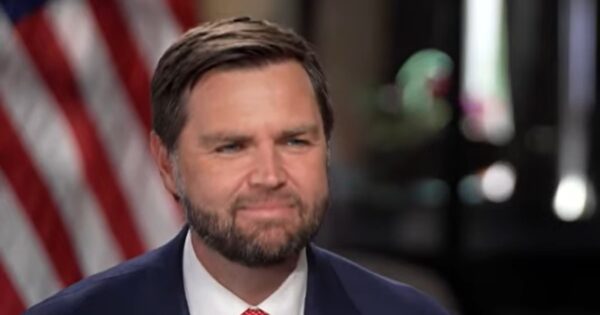
Across the Atlantic, Vice President JD Vance has also weighed in, expressing alarm at the broader European trend. His critique pulls no punches, suggesting that free speech is retreating in places like Britain, a warning that resonates with those skeptical of overbearing governance.
Barrett, who joined the Supreme Court in 2020 after her appointment by President Donald Trump, also tied free speech to broader societal peace during her podcast discussion. Her conservative judicial philosophy, which helped cement the court’s majority that overturned abortion rights in 2022, often emphasizes foundational freedoms.
She argued that constitutional guarantees like the First Amendment serve as “articles of peace,” fostering tolerance among diverse views and faiths. From a right-of-center view, this is a refreshing reminder that liberty, not conformity, builds stronger communities.
As the debate over U.K. speech laws continues in the coming months, alongside scrutiny from figures like Barrett and reports from the U.S. State Department noting human rights concerns, one thing is clear: the fight for free expression is far from over. Conservatives and populists alike will be watching, ready to call out any policy that smells of suppression, because if speech falls, what’s left to defend?