President Trump’s bold move to send National Guard troops into American cities has ignited a firestorm of debate, with a top general openly contradicting the commander in chief’s rationale.
The crux of the controversy lies in Trump’s deployment of thousands of National Guard members to urban centers like Los Angeles, Chicago, and Washington, D.C., citing an internal threat, while Gen. Gregory Guillot, head of U.S. Northern Command, disputes the existence of such a danger during a Senate hearing.
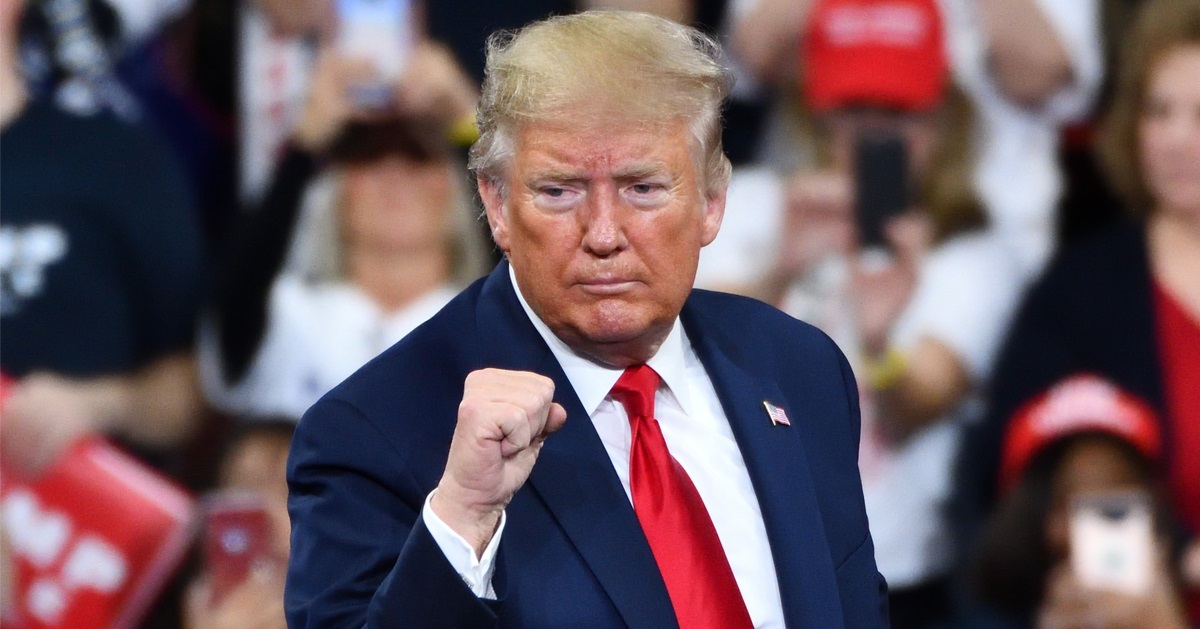
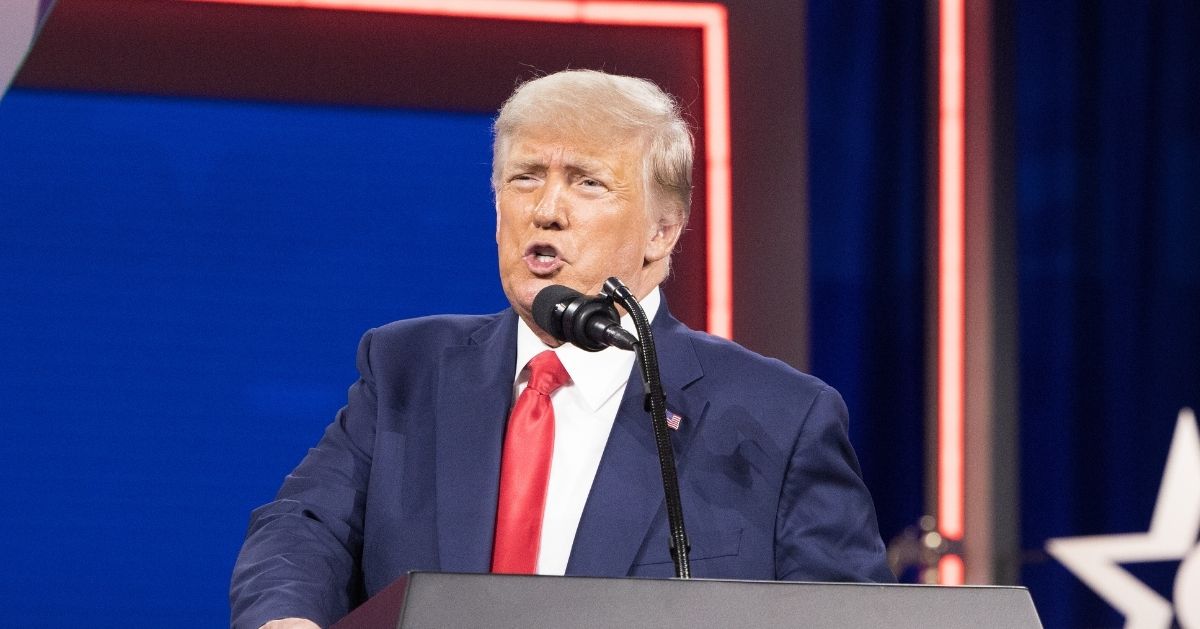
Back in late September, Trump declared the need to combat an “enemy within,” framing it as a justification for military presence in cities struggling with crime and unrest.
By Sept. 30, speaking in Quantico, Va., the president doubled down, suggesting that Democratic-led cities could serve as training zones for military operations—a proposal that raised eyebrows across the political spectrum.
Fast forward to the Senate Armed Services Committee hearing, where Gen. Guillot threw cold water on the narrative, stating, “I do not have any indications of an enemy within.”
Guillot’s words aren’t just a polite disagreement; they challenge the very foundation of Trump’s orders, especially since the general confirmed he hasn’t been directed to address any such internal threat.
Meanwhile, the deployments themselves—over 4,000 troops sent to Los Angeles alone during earlier immigration protests—have hit significant snags, with federal judges in California stepping in to halt actions there and limit operations in Chicago, Portland, and Memphis.
The California ruling, which demands control of the state’s National Guard be returned to the governor, is on hold until Monday, but the White House is gearing up for an appeal.
Republican lawmakers, like Sen. Roger Wicker of Mississippi, argue these moves are “not only appropriate, but essential,” pointing to escalating crime and local failures as the real culprits behind urban chaos.
Democrats, however, see a darker motive, accusing the administration of overreach and trampling on state rights by turning soldiers into pawns in a political game.
Sen. Elissa Slotkin of Michigan voiced alarm, warning that the rhetoric of using cities as “training grounds” undermines trust in the military’s apolitical role.
Adding to the tension, tragedy struck on Nov. 26 when two West Virginia National Guard members were shot in Washington, D.C., resulting in the death of Spc. Sarah Beckstrom and leaving Staff Sgt. Andrew Wolfe is recovering from injuries.
This incident only fuels Democratic fears about the risks of placing troops in volatile urban settings, with some senators raising hypothetical concerns about soldiers at polling locations—a scenario that, while not current, chills the spine of constitutional purists.
Charles Young, the Pentagon’s No. 2 lawyer, dodged specifics on such hypotheticals but noted the president’s authority to deploy troops in emergencies, while denying reports of military lawyers being sidelined for raising objections.
Ultimately, this clash isn’t just about troops on the streets of Portland or Memphis; it’s about the balance of power, the role of our military, and whether Trump’s vision of order justifies bending norms. While conservative instincts lean toward law and order, even the staunchest patriot must ask if this approach risks turning protectors into political tools. Let’s hope cooler heads—and clearer evidence—prevail before more guardsmen are caught in the crossfire.